December Garden Jobs UK: Your Complete Winter Gardening Guide

I sometimes use affiliate links in content. This doesn’t cost you anything but I may make a commission payment from anything you buy through these links. As an Amazon Associate I earn from qualifying purchases. All opinions remain my own.
December may bring frost and shorter days, but your UK garden still needs attention. From protecting tender plants to preparing for spring, these essential December gardening tasks will keep your garden thriving through winter whilst setting yourself up for a productive year ahead.
Essential December Garden Jobs for UK Gardeners
December marks the depth of winter in the UK, but far from being a month to abandon your garden, it’s a crucial time for maintenance, protection, and planning. The RHS and Met Office guidance emphasises that December jobs focus on protecting what you have whilst preparing for the season ahead.
Trees, Shrubs and Fruit Care
Winter pruning becomes a priority this month, particularly for certain fruit trees. You can prune apples, pears, quinces and medlars now, but crucially, avoid pruning stone fruits like plums and cherries in December as this increases disease risk. If you’re growing raspberries or considering cherry trees, December is an ideal time to assess their structure and plan spring maintenance.

Bare-root planting season is in full swing. As long as your soil isn’t waterlogged or frozen solid, you can plant bare-root trees, roses, hedges and fruit bushes. This traditional planting window offers excellent value and establishment rates. If you’re expanding your fruit growing repertoire, consider adding fruit varieties suited to UK conditions.
Forged & Grown
Garden pieces, printed to order
3D printed planters and garden accessories, made in the UK. Self-watering designs, sculptural shapes, colour options — each one made when you order it.


UK Winter Tip: Check all stakes, ties and supports on young trees and climbers. British winter gales and frost heave can loosen supports, potentially damaging plants. Re-firm any that have shifted and adjust ties that have become too tight or too loose.
Beds, Borders and Perennials
The great December garden debate centres on tidying versus leaving plants standing. For traditional borders, you can cut back dead top growth on herbaceous perennials and remove debris to the compost heap. However, wildlife-friendly gardening advocates leaving some stems and seedheads until spring, providing vital shelter and food for insects and birds through the harshest months.
In mild spells, lift and divide overgrown perennials. December’s cooler temperatures and damper conditions actually favour this work compared to the heat of summer. Remove any diseased material or late-season debris from vegetable beds, adding healthy waste to your composting system.
Protection is paramount for borderline-tender plants. Wrap fleece around vulnerable shrubs, mulch heavily around crowns of tender perennials, and pack straw or bracken around Mediterranean plants like lavender in exposed positions. Even hardy plants appreciate a protective mulch that insulates roots from freeze-thaw cycles.
Lawns, Ponds and Garden Structures
Safety and maintenance intersect in December. Keep paths, decks and patios clear of fallen leaves and algae to reduce slip hazards during icy weather. A stiff brush and occasional pressure wash prevents dangerous build-up.
Pond care becomes critical in sustained cold weather. Prevent ponds from freezing over completely, which can harm fish and beneficial wildlife. Float a ball on the surface to create a weak point, or gently melt holes using a pan of hot water placed on ice (never break ice forcefully, as this can shock fish).
Walk your garden perimeter checking greenhouses, sheds, fences and supports for weather damage. December storms can wreak havoc on weakened structures, and prevention is cheaper than emergency repairs. Secure anything that might blow about in winter gales.
Wildlife and Climate-Smart Garden Tasks
December wildlife care is simple but vital. Top up bird feeders regularly and keep bird baths ice-free, providing fresh water when natural sources freeze. Resist the urge to tidy everything away; leave some berries, seedheads and hollow stems for birds, beneficial insects and overwintering wildlife.
Use December’s quieter gardening period for planning and reflection. Review this year’s successes and failures, plan crop rotation for your vegetable garden, and note changes you’d like to make to borders and plantings. This planning time is as valuable as any physical garden work.
What You Can Still Sow in December
December sowing may seem ambitious, but several opportunities exist for forward-thinking UK gardeners, particularly with protection.
Indoor and Windowsill Sowings
Your windowsills and unheated greenhouses can produce fresh greens through winter. Winter salad leaves like lamb’s lettuce (corn salad), winter purslane, rocket, mizuna and mustard mixes grow well in trays or modules for cut-and-come-again harvests. These are perfect companions to your winter windowsill vegetables.
Spinach and chard sown now in modules will establish slowly but surge into growth when light levels improve in late winter. For keen herb growers, you can sow basil on a heated windowsill, along with dill and chives in a bright, protected spot.
Related: Learn about growing your own herb plants year-round, including winter varieties.
Microgreens for Quick Winter Harvests
Microgreens offer the fastest return on December sowings. Radish, coriander, rocket and spinach microgreens can be ready to harvest in as little as 7-14 days on a bright windowsill. Asian greens and hardy brassicas also work brilliantly as baby leaves or microgreens under cover, providing fresh, nutritious additions to winter meals.

Traditional December Sowings
Boxing Day traditionally marks the date for sowing onion seed in a cool greenhouse. Varieties like ‘Ailsa Craig’ sown now in modules will be ready to plant out in spring, giving you a head start on the growing season. This old gardening tradition persists because it genuinely works.
Outdoor Sowings for Mild Areas
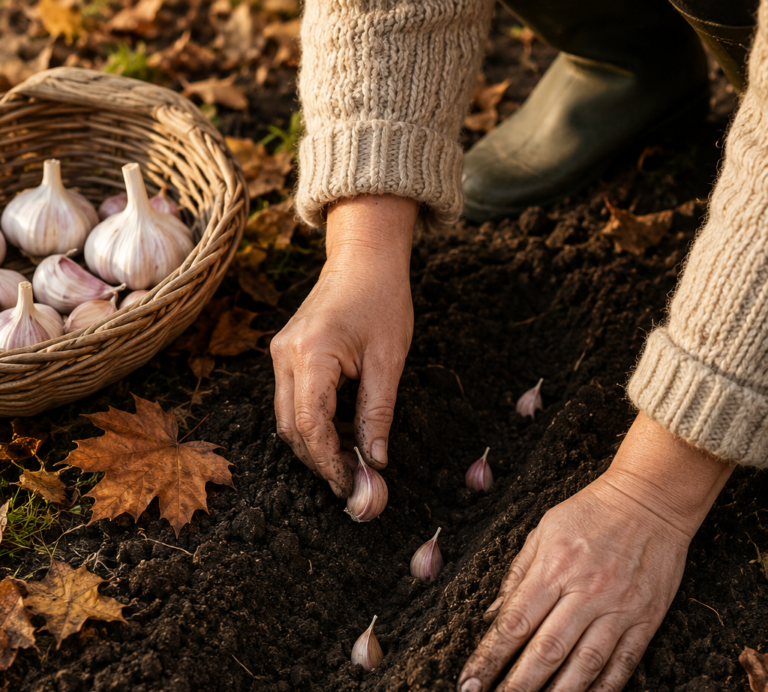
If you have well-drained soil or raised beds that aren’t waterlogged, you can still plant garlic cloves in December. Raised beds or containers help avoid sodden ground that causes rot. Similarly, in many UK regions, you can sow or plant broad beans so they establish slowly over winter. Fleece or cloches provide insurance against hard frosts.
Cold-Tolerant Vegetables for Winter and Early Spring
Understanding which vegetables thrive in UK winter conditions helps you plan both immediate and future harvests.
Overwintering Crops Already in the Ground
December showcases the triumph of autumn planning. Sprouting broccoli, Brussels sprouts, winter cabbages, kale, leeks and parsnips should be standing proud in your vegetable garden, providing fresh harvests through the coldest months. These cool-weather vegetables actually improve in flavour after frost.
Leafy crops sown earlier can also overwinter with protection. Chard, chicory, land cress, parsley and rocket benefit from fleece or cloche protection, continuing to provide pickings through winter.
December Sowings for Early Spring Harvests
What you sow in December under protection can provide remarkably early spring crops. Winter salads, Asian greens and hardy mustard mixes sown now in a polytunnel, cold frame or under cloches can be ready for cutting in late winter or very early spring, weeks before outdoor-sown alternatives.
Spinach and chard started now under cover position themselves perfectly for an early spring surge once day length increases in February and March. Combined with your salad leaf sowings, you can maintain continuous harvests.
Regional Variation: Mild coastal areas of Cornwall and Devon can grow more adventurously in December than highland Scotland. Always adapt advice to your local microclimate and be prepared to provide extra protection in harsher winters.
Cold-Tolerant Flowers for Early Colour
Planning December flower colour requires thinking ahead to late winter and spring, focusing on hardy varieties that tolerate British weather.
Hardy Annuals for Early Displays
Hardy annuals are cheap, fast-growing and remarkably tough, making them ideal for early colour once spring arrives. While most are typically sown in autumn or spring, some UK seed companies note that certain hardy annual mixes can be sown in late autumn or early winter in mild areas or under protection for earlier flowering.
Calendula (pot marigold), cornflower, nigella (love-in-a-mist), larkspur and eschscholzia (California poppy) form the backbone of reliable hardy annual collections. These provide excellent cut flowers and attract beneficial insects to your garden.
Structural Plants for Winter Interest
December is the time to appreciate—and plan for—winter structure. Colourful-stemmed dogwoods (Cornus), willows and bramble cultivars with bright bark provide stunning winter effects. Japanese maples offer architectural branching patterns revealed when leaves drop.

Many early-spring bulbs like snowdrops, crocus and narcissus are ideally planted earlier in autumn, but December can still be used to plant potted bulbs and to note varieties you want to purchase next autumn. Keep a garden journal noting which varieties perform well in your conditions.
Perennials for Early Spring
In mild December spells, divide early-flowering perennials to bulk up clumps for spring displays. Alternatively, leave herbaceous plants standing to provide winter structure and wildlife habitat, then divide them in early spring just as growth resumes.
Container Gardeners: December is perfect for planning your spring container garden and ordering seeds and plants for early sowings.
December Maintenance Checklist
Use this quick checklist to ensure you cover all essential December garden tasks:
- Prune apples, pears, quinces and medlars (avoid stone fruits)
- Plant bare-root trees, roses and fruit bushes in non-frozen soil
- Check and adjust stakes, ties and supports before winter storms
- Protect tender plants with fleece, mulch or straw
- Keep paths, patios and decks clear of slippery debris
- Prevent ponds from freezing completely
- Inspect and repair garden structures and fences
- Top up bird feeders and provide fresh water
- Sow winter salads, microgreens and hardy vegetables under cover
- Plant garlic and broad beans in well-drained soil
- Plan crop rotation and order seeds for spring
- Review the year’s garden successes and challenges
Looking Ahead: Planning Your 2026 Garden
December’s limited daylight hours make it perfect for indoor garden planning. Review your garden journal or photos from the past year, identifying what thrived and what struggled. Plan your companion planting combinations for next year’s vegetable beds.
Seed catalogues arrive throughout December and January, offering inspiration and new varieties to try. Focus on varieties specifically bred for UK conditions, which will perform more reliably than generic continental or American cultivars.
Consider expanding into areas you haven’t tried before. Perhaps 2026 is the year to establish an herb garden, experiment with patio containers, or venture into indoor fruit growing.
December Weather Challenges in the UK
British December weather is notoriously unpredictable, ranging from mild Atlantic systems to Siberian blasts. This variability requires flexible garden management.
In mild spells, take advantage of workable soil to complete planting and division tasks. During hard freezes, focus on indoor planning, tool maintenance and seed ordering. Waterlogged periods are best spent on tasks that don’t compact soil or damage plants.
Understanding your specific UK location matters immensely. Coastal gardens enjoy maritime moderation, highland areas face harsh exposure, and lowland eastern regions endure the driest but coldest conditions. Tailor December tasks to your microclimate rather than following generic advice.
Final Thoughts on December Gardening
December gardening in the UK combines protection, preparation and planning. While growth largely pauses, the work you do now—from protecting tender plants to sowing early crops under cover—sets the foundation for a productive year ahead.
Embrace December’s quieter pace as an opportunity to reflect on your garden, plan improvements, and complete essential maintenance before the true depths of winter arrive. Your garden may look dormant, but beneath the surface, roots are establishing, seeds are priming, and the promise of spring is building.
December Garden Wisdom: British gardener Christopher Lloyd famously said that winter is not a season of rest, but a season of different work. Use December wisely, and your garden will reward you many times over when spring arrives.