March Garden Jobs UK: Complete Food Growing Guide for British Gardeners

I sometimes use affiliate links in content. This doesn’t cost you anything but I may make a commission payment from anything you buy through these links. As an Amazon Associate I earn from qualifying purchases. All opinions remain my own.
March arrives with a promise that every British gardener recognises: the season of possibility is finally here. Those first warming days, when you can work the soil without mud clinging to your boots, signal the beginning of the most productive planting month in the gardening calendar. What you sow and plant during these crucial four weeks determines much of what will fill your kitchen from late spring through autumn.
But March in the UK demands respect. This transitional month can deliver both unseasonably warm sunshine that tempts you to plant everything at once and savage late frosts that blacken tender seedlings overnight. Understanding how to navigate March’s contradictions separates successful food gardeners from those who watch their ambitious early efforts collapse under a surprise cold snap.
This comprehensive guide walks you through everything you need to know about growing food in March across the UK, from Scotland to Cornwall. You’ll discover which crops to sow directly outdoors, what to start in the greenhouse, how regional timing affects your planting windows, and the succession planting strategies that transform a single month’s work into months of continuous harvests.
Understanding March’s Growing Conditions in the UK
Before you tear open a single seed packet, you need to grasp what March actually offers your garden. The month sits at an inflection point where winter’s grip loosens but hasn’t released entirely, creating conditions that vary dramatically from week to week and region to region.
Forged & Grown
Garden pieces, printed to order
3D printed planters and garden accessories, made in the UK. Self-watering designs, sculptural shapes, colour options — each one made when you order it.


Soil Temperature: The Hidden Factor Most Gardeners Ignore
Seeds germinate based on soil temperature, not air temperature. You might enjoy a balmy 15°C afternoon in mid-March, but if your soil sits at 5°C, beetroot seeds will simply rot rather than sprout. Most vegetable seeds need soil temperatures of at least 7-10°C to germinate successfully, though some hardy crops tolerate cooler conditions.
🌡️ Soil Temperature Guide
Minimum Temperatures for Successful March Sowings
📏 How to Measure
- Use a soil thermometer, not air temperature
- Measure at seed depth (5-8cm for most crops)
- Check in the morning when coolest
- Wait until consistent readings for 3-4 days
🌍 Soil Type Matters
- Sandy soils warm 1-2 weeks earlier than clay
- Dark soils absorb heat faster than light soils
- Raised beds warm faster than flat ground
- South-facing slopes gain temperature quickest
🔥 Warming Strategies
- Clear polythene over beds adds 2-3°C
- Cloches create warm microclimates
- Black plastic mulch absorbs solar heat
- Remove covers once soil reaches target temp
⚠️ Common Mistakes
- Relying on air temperature instead of soil
- Sowing too early in cold soil = rotted seeds
- Not accounting for regional differences
- Ignoring microclimate variations in your garden
💡 Professional Tip: The Two-Week Rule
Seeds sown in soil that’s 2°C too warm will germinate faster and grow more vigorously than seeds sown on-time in marginal temperatures. A week’s delay often delivers better results than pushing the season too early. When in doubt, wait for consistent warmth rather than risking seed loss in cold soil.
Investing in a soil thermometer transforms your March planting from guesswork into precision. Check temperatures at seed depth (usually 5-8cm) in the morning when soil is coolest. Clay soils warm more slowly than sandy soils, whilst raised beds and south-facing slopes gain temperature faster than flat ground or north-facing plots.
If soil temperatures lag behind, you have options. Clear polythene sheeting laid over beds two weeks before planting warms soil by several degrees. Cloches create microclimates that protect early sowings from frost whilst accelerating soil warming. These simple techniques can advance your planting window by a fortnight or more.
Frost Risk Assessment for Different UK Regions
The last frost date varies enormously across Britain, from early April in coastal Cornwall to late May in Highland Scotland. March planting must account for this reality. Coastal areas benefit from maritime moderation, whilst inland valleys create frost pockets where cold air settles on clear nights.
Your microclimate matters as much as your region. Urban gardens stay several degrees warmer than rural plots. South-facing slopes shed frost faster than level ground. Gardens surrounded by buildings or walls retain more heat than exposed sites. Take time to understand your specific frost risk rather than relying solely on regional averages.
For most of lowland England and Wales, the risk of severe frost diminishes significantly by late March, though light frosts remain possible into April. This allows direct sowing of hardy vegetables from mid-March onwards, with fleece protection held ready for cold night forecasts. Scotland and upland areas face frost risk through April and sometimes into May, necessitating later planting or more extensive protection.
Daylight Hours and Plant Growth
March daylight increases dramatically, from around 11 hours at month’s start to nearly 13 hours by month’s end. This rapidly lengthening photoperiod triggers growth responses in plants and makes March-sown seeds germinate and grow faster than those sown in February, despite only marginally warmer temperatures.
The combination of increasing light, rising soil temperatures, and awakening soil biology makes late March one of the most productive planting windows of the year. Seeds sown in late March often outpace those sown a month earlier, catching up or even overtaking their head start through vigorous growth in improving conditions.
Regional Timing Guide: When to Plant Across the UK
Britain’s varied topography and oceanic influences create distinct regional growing seasons that directly affect your March planting strategy. Understanding these regional differences helps you time sowings for success rather than fighting against local climate patterns.
🗺️ UK March Planting Map
Interactive Regional Timing Guide for British Gardeners
✓ You Can Start:
- Direct sow broad beans, peas, spinach
- Plant early potatoes with fleece ready
- Sow beetroot, carrots, radishes
- Start salad leaves under cloches
✓ Best Timing:
- Target mid-March for hardy vegetables
- Late March sowings often perform best
- Keep fleece protection ready
- Spread sowings across the month
✓ Focus Areas:
- Indoor seed starting takes priority
- Prepare beds and warm soil under polythene
- Late March: hardiest crops only
- Use cloches and fleece extensively
✓ March Priorities:
- Greenhouse sowings for April transplanting
- Soil preparation takes precedence
- Very late March: protected sowings only
- Plan for April as main planting month
✓ March Strategy:
- Heated greenhouse growing essential
- Indoor windowsill seed starting
- Wait for April/May for outdoor sowings
- Extended daylight compensates late start
Southern England and Cornwall: The Early Advantage
Gardeners in southern England, particularly coastal areas and Cornwall, enjoy the UK’s longest growing season and mildest winters. Many plants never fully enter dormancy, and soil rarely freezes solid. This creates opportunities for earlier March planting than elsewhere in Britain.
What you can plant from early March:
- Broad beans, peas, and other legumes
- Hardy root vegetables (beetroot, carrots, radishes)
- Spinach and salad leaves
- Early potatoes (with fleece protection ready)
Soil temperatures often reach the critical 7°C threshold by the first week of March in favoured locations. Fleece protection extends these opportunities further, allowing you to take calculated risks with slightly tender crops.
The risk here lies in overconfidence. Occasional cold snaps still occur, and March can deliver unexpected late frosts even in mild Cornwall. Keep fleece or cloches ready, watch weather forecasts, and remember that a week’s delay often matters less than losing plants to an ill-timed frost.
Midlands, Wales and Central England: The Balanced Approach
The great middle belt of England and Wales faces more variable March conditions. Some years deliver spring-like weather from early March; others maintain winter’s grip well into the month. Successful planting in these regions requires flexibility and readiness to protect vulnerable crops.
Best practice for this region:
- Target mid-March for hardy vegetables (broad beans, peas, spinach)
- Save main sowings for final week of March
- Keep fleece protection ready to deploy
- Spread sowings across the month rather than one big push
Mid-March typically offers the first reliable planting windows for hardy vegetables. Soil temperatures reach workable levels, frost risk decreases, and conditions favour germination. Later sowings in the final week of March often perform best, benefiting from rapidly improving conditions whilst avoiding the worst frost risk.
This region particularly benefits from successive sowings. Rather than planting everything in early March and hoping for the best, spread sowings across the month. This hedges against weather variability and extends your harvest season.
Northern England and Lowland Scotland: The Patient Gardener’s Territory
Northern regions and lowland Scotland face a shorter growing season that demands careful March timing. Soil warms more slowly, frost risk extends later, and cold snaps can arrive with little warning. Patience serves northern gardeners better than ambition during March.
March priorities for northern gardeners:
- Focus on indoor seed starting rather than direct outdoor sowing
- Prepare beds and warm soil under polythene
- Start greenhouse sowings for April/May transplanting
- Wait until late March (or even April) for outdoor sowings
- Use cloches and fleece extensively when you do plant
Late March may offer opportunities for the hardiest crops under protection, but the real planting window often opens in April. Use March to prepare beds, warm soil under polythene, and start greenhouse sowings that will transplant out in late April or May.
When you do plant in late March, choose the hardiest varieties and fastest-maturing types. Broad beans and peas suit northern gardens well, as do early potato varieties that will be earthed up for frost protection. Salad leaves under cloches perform reliably, providing welcome fresh greens whilst you wait for conditions to improve for main-season crops.
Highland Scotland and Exposed Coastal Areas: The Protected Approach
Highland Scotland, upland areas, and exposed coastal regions face the UK’s shortest growing season and most challenging spring conditions. March here remains firmly in winter’s grasp, with snow possible throughout the month and soil frozen or waterlogged.
Your March strategy for challenging regions:
- Heated greenhouses and polytunnels are essential
- Indoor windowsill growing becomes your primary space
- Direct outdoor sowing waits until April or May
- Focus on starting transplants for later outdoor planting
- Embrace indoor growing techniques
Direct outdoor sowing waits until April or even May, but you can achieve remarkable results with protected growing that provides transplants ready when outdoor conditions finally permit.
This apparent disadvantage carries hidden benefits. The extended daylight of northern latitudes compensates for a late start, and crops often grow vigorously once the season begins. Plants that dislike heat stress (lettuce, peas, broad beans) perform exceptionally well in cooler northern conditions.
Vegetables to Plant in March: Direct Outdoor Sowing
The satisfaction of sowing seeds directly into garden soil where they’ll grow to maturity represents one of gardening’s fundamental pleasures. March opens significant opportunities for direct sowing across most of the UK, provided you match crops to conditions and protect them appropriately.
🌱 March Sowings Timeline
From Planting to Harvest: Your Complete UK Growing Calendar
Root Vegetables: Building Your Underground Harvest
Root vegetables particularly suit March sowing, as many tolerate cool soil and benefit from the long growing season ahead. Their direct-sow nature means no transplanting complications, and many develop better shape and quality when grown without root disturbance.
Beetroot thrives from mid-March sowings in most regions. Modern varieties like ‘Boltardy’ resist the bolting that plagued older types in variable spring conditions. Sow seeds 2.5cm apart in rows 30cm apart, thinning to 10cm spacing once seedlings establish. Beetroot seeds are actually clusters, so expect multiple seedlings from each “seed.” The thinnings make excellent microgreens for salads. Successive sowings every three weeks from mid-March through June provide continuous harvests from early summer through autumn.
Carrots demand careful March timing. Their seeds germinate slowly in cool soil, sitting vulnerable to rot and pest attack for up to three weeks. Wait until soil temperatures consistently reach 7°C before sowing. Early varieties like ‘Amsterdam Forcing’ suit March sowing, maturing quickly in 10-12 weeks. Sow thinly in drills 1cm deep and 15cm apart, as carrots resent transplanting and thinning. Covering newly sown rows with fleece protects against carrot fly whilst maintaining soil warmth.

Radishes grow so quickly that they serve as both a crop and a row marker for slower-germinating vegetables. Sow from early March onwards, expecting harvests in just 4-6 weeks. French Breakfast types offer colour and mild flavour, whilst round varieties like ‘Cherry Belle’ suit heavy soils better. Sow thinly, 1cm deep, thinning to 2.5cm apart. Because radishes mature so fast, sow small amounts every week rather than a single large planting.
Parsnips begin their long season with March sowings, though they’re notoriously slow and erratic germinators. Pre-soak seeds overnight to improve germination rates, then sow 3-4 seeds per station 15cm apart in rows 30cm apart, thinning to the strongest seedling. Fresh seed matters with parsnips; viability drops dramatically after one year. Germination can take three weeks or more, so mark rows clearly and be patient. Parsnips actually improve after frost, so you’ll harvest these March sowings from October onwards.
Legumes: Nitrogen-Fixing Powerhouses
Legumes combine productive harvests with soil-improving qualities through their nitrogen-fixing capabilities. March sowing suits them perfectly, as most tolerate cool conditions and benefit from a long growing season.
Broad beans rank among the most reliable March sowings across the UK. These hardy plants tolerate frost, fix nitrogen that benefits following crops, and produce heavy yields of protein-rich beans. Sow seeds 5cm deep and 23cm apart in double rows 23cm apart, creating blocks rather than single rows for mutual support and better pollination. Varieties like ‘Aquadulce Claudia’ suit March sowings particularly well. The plants will flower in May, attracting beneficial insects whilst producing pods for harvest in June and July.

Peas offer similar hardiness with sweeter rewards. Choose early varieties for March sowing, as maincrop types often perform better from April sowings. Sow seeds 5cm deep and 7-10cm apart in flat-bottomed trenches 15cm wide, creating a band of plants rather than a single row. This maximises yields whilst providing mutual support. Protect sowings from mice, who consider pea seeds a delicacy, with wire mesh or by soaking seeds in paraffin before planting.
Brassicas and Leafy Greens
The cabbage family and related leafy crops provide some of March’s most versatile sowings, from quick-maturing salad leaves to long-season crops that will harvest well into autumn.
Spinach germinates readily in cool March soil, racing to maturity in just 6-8 weeks from sowing. Perpetual spinach tolerates a wider range of conditions than true spinach, making it more reliable for beginners. Sow seeds 2.5cm apart in rows 30cm apart, thinning to 15cm spacing. Successive sowings every fortnight from mid-March through April provide continuous harvests through summer. Plants bolt when days lengthen, but regular picking and adequate water delays this tendency.
Salad leaves transform March sowings into April harvests with remarkable speed. Mixed salad blends combine different textures and flavours in a single sowing. Broadcast seeds thinly over prepared soil, rake in lightly, and harvest as cut-and-come-again leaves in just 3-4 weeks. Rocket, mustard greens, and mizuna all suit this treatment. Fleece protection extends the season and protects tender leaves from frost.
Swiss chard and its close relative perpetual spinach rank among the most productive vegetables for space invested. Single March sowings often crop from June through the following spring if protected over winter. Sow seeds (which are actually seed clusters like beetroot) 10cm apart in rows 38cm apart, thinning to 23cm spacing. The vibrant stems of varieties like ‘Bright Lights’ add ornamental value alongside exceptional productivity.
Summer cabbage and cauliflower begin as March sowings in modules or seed beds for transplanting in late April or May. This gives them the long cool growing period they prefer, avoiding the bolting that affects plants rushed to maturity in heat. Sow seeds 1cm deep in modules, keeping them frost-free until transplanting. These March-sown plants will heart up in July and August, bridging the gap between spring and autumn brassicas.
Onion Family Members
Onions, leeks, and their relatives grow from March sowings or plantings to provide the cooking staples that underpin countless dishes throughout the year.
Leeks sown in March transplant out in June and July, growing through summer and autumn to provide harvests from November through early spring. These accommodating vegetables withstand fierce frosts, continuing to provide fresh crops when little else remains productive. Sow thinly in drills 1cm deep, later transplanting seedlings into deep holes that encourage the white shanks gardeners prize.
Spring onions from March sowings mature rapidly, ready for pulling in just 8-10 weeks. Varieties like ‘White Lisbon’ remain tender even when mature. Sow seeds thinly in drills 1cm deep, thinning to 2cm spacing. Successive sowings every fortnight maintain supplies through summer.
Planting Sets and Crowns in March
Whilst seed sowing captures most attention, March also offers ideal conditions for planting various sets, crowns, and tubers that establish quickly in warming soil.
Onion and Shallot Sets: The Reliable Alternative
Onion sets (small bulbs grown specifically for planting) provide several advantages over seed-raised onions for March planting. They mature faster, require less tending, and show greater resistance to onion fly. Plant sets from mid-March onwards as soon as soil conditions allow.
Push sets into prepared soil so the tip barely protrudes above the surface, spacing them 10cm apart in rows 25cm apart. Firming soil around them prevents birds from pulling them out, though some gardeners still lose sets to curious birds and find them scattered across beds. If this occurs, simply replant immediately.
Shallot sets follow similar planting methods but space slightly wider at 15-20cm apart. Single sets multiply into clusters of 5-8 bulbs by harvest time in July, providing exceptional value. Both onions and shallots benefit from firm soil; loose, freshly dug beds encourage excessive leaf growth at the expense of bulb development.
Garlic Sets: Late Chances for Spring Planting
Whilst autumn remains the traditional garlic planting season, March offers a last opportunity for spring varieties that require minimal cold exposure. Spring garlic produces smaller bulbs than autumn-planted types but still provides worthwhile harvests with proper care.

Select spring varieties specifically bred for this timing rather than attempting to grow autumn types. Plant individual cloves 5cm deep and 15cm apart in rows 30cm apart, positioning them pointed end upward. Garlic demands full sun and good drainage; waterlogged soil causes rot whilst shade reduces bulb development.
Asparagus Crowns: Investing in Future Harvests
March represents the traditional month for planting asparagus crowns, though container-grown plants transplant successfully throughout spring. Asparagus demands patience—you’ll wait two full years before taking your first substantial harvest—but established beds crop prolifically for 15-20 years or more, making this one of the most rewarding permanent plantings.
Dig trenches 30cm wide and 20cm deep, enriching soil with well-rotted compost. Create a ridge of soil along the trench center and spread asparagus crown roots over this ridge, positioning crowns 38-45cm apart. Cover with 5-8cm of soil initially, gradually filling the trench as shoots emerge through spring and summer. Asparagus tolerates most soils but abhors waterlogging; excellent drainage proves essential for long-term success.
Early and Second-Early Potatoes: Chitting and Planting
March transforms last month’s potato chitting into actual planting. Early varieties planted in late March avoid most blight problems whilst providing new potatoes from June onwards, months before main-crop types mature.
Plant seed potatoes when shoots reach 2-3cm long, positioning tubers 12cm deep and 30cm apart in rows 45cm apart for early varieties. Second-early types need slightly more room at 38cm apart. As shoots emerge and grow, earth up soil around stems in stages, creating ridges that protect developing tubers from light whilst providing frost protection for foliage.
Container-growing works exceptionally well for early potatoes, allowing you to move pots under cover during cold snaps. Use large containers (40 litres minimum), adding layers of compost as plants grow to maximise yields from restricted space.
Greenhouse and Indoor Sowings in March
Whilst outdoor planting dominates March activity, protected sowings in greenhouses, cold frames, or on warm windowsills establish the plants that will form your main summer crops. These tender vegetables need a head start indoors before facing outdoor conditions.
Tomatoes: Perfect Timing for British Summers
March offers ideal timing for tomato seed sowing in most of the UK. Seeds sown in mid-March germinate rapidly in warm conditions, producing sturdy plants ready for transplanting in late May after frost risk passes. Earlier sowings often create leggy, overgrown plants that perform poorly; later sowings reduce your total harvest window.
Sow seeds individually in small modules filled with seed compost, covering with 1cm of compost. Maintain temperatures of 15-18°C for germination, which typically occurs in 7-10 days. Once seedlings emerge, move them to the brightest position possible to prevent stretching. Windowsill growers should rotate pots regularly to maintain balanced growth.
Choose varieties suited to your growing method. Cordon (indeterminate) varieties suit greenhouses and outdoor growing with tall support stakes, producing heavy yields over an extended season. Bush (determinate) types remain more compact, suiting containers and requiring minimal support. For British conditions, varieties specifically bred for cool summers often outperform popular Mediterranean types that demand intense heat.
Chilli and Sweet Peppers: Long-Season Specialists
Chilli and pepper seeds need earlier sowing than tomatoes, as they grow more slowly and demand a longer season to ripen fruit. Early March sowings suit most varieties, though super-hot chillies benefit from February starts in heated propagators.
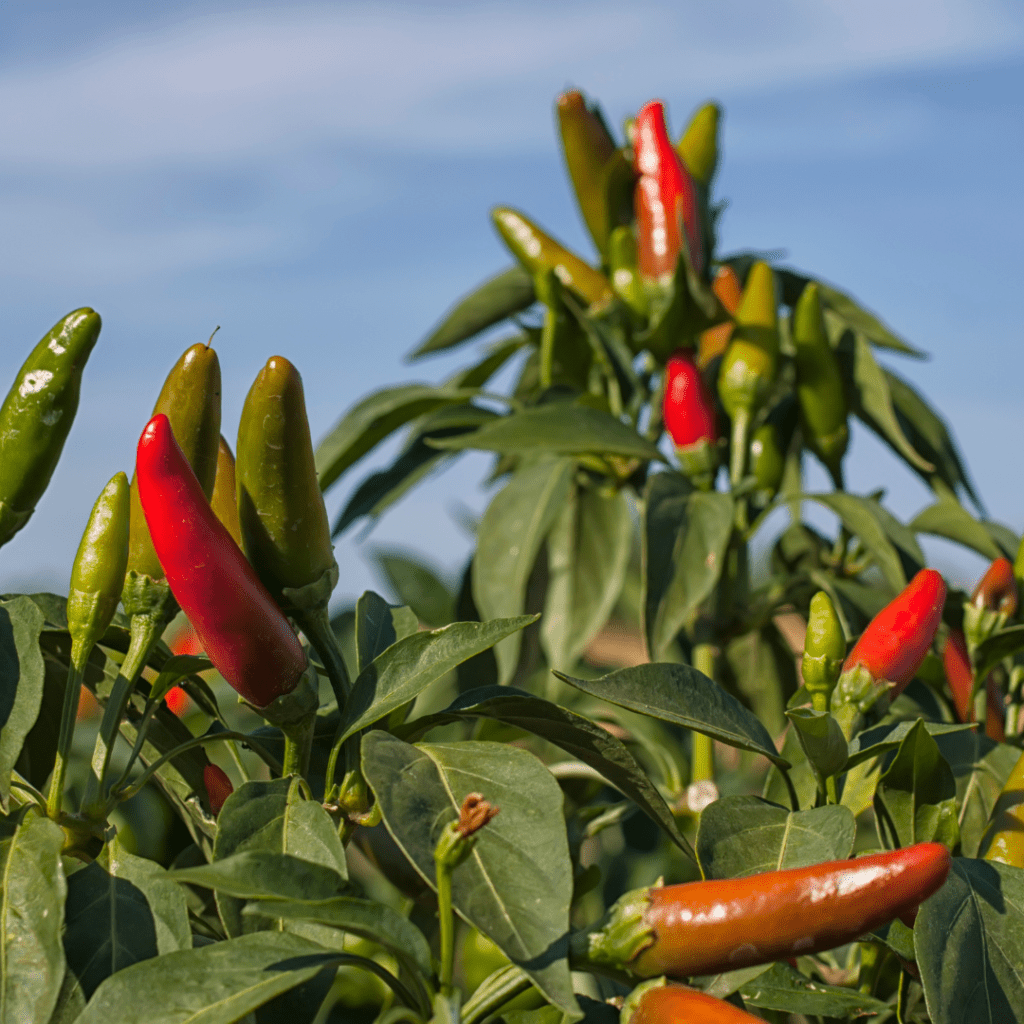
Sow as for tomatoes, maintaining slightly warmer temperatures (20-25°C) for germination. Peppers and chillies resent root disturbance, so use individual cells or small pots from the start. Growth proceeds slowly for the first few weeks; don’t worry if plants seem static. Once true leaves develop and temperatures rise in April, growth accelerates.
Sweet peppers demand warmth and light, performing best in greenhouses across most of Britain. Only southern regions offer reliable outdoor ripening. Chillies show greater heat tolerance and often crop successfully outdoors in warm summers, though greenhouse cultivation ensures better yields and earlier ripening.
Cucumbers and Courgettes: Heat-Loving Tender Crops
These frost-tender crops need sowing under protection in March for transplanting out after all frost risk passes in late May or early June. However, they grow so vigorously that late March sowings often perform better than early ones, as slower growth produces sturdier plants.
Sow seeds on edge 2cm deep in small pots, two seeds per pot, removing the weaker if both germinate. Maintain temperatures around 20°C for germination. Both crops resent root disturbance, so pot on carefully into larger containers as plants grow, avoiding transplant shock.
Courgettes (zucchini) suit outdoor growing across the UK but appreciate a flying start from indoor sowing. Single plants produce prodigious yields; three or four plants typically provide more than enough for a family. Cucumbers divide into greenhouse types and ridge (outdoor) varieties; ensure you match variety to intended growing location.
Aubergines and Celery: The Specialists
Aubergines (eggplants) demand long, warm growing seasons that make them challenging in British gardens. March sowings in heated propagators give them the maximum growing time, though success still depends on providing greenhouse protection and consistent warmth. These Mediterranean vegetables rarely thrive in outdoor British conditions.
Celery and celeriac need March sowings for harvest from late summer onwards. These crops demand patience and attention—they’re not the easiest vegetables for beginners—but their unique flavours reward the effort. Sow on the surface of moist compost without covering, as light promotes germination. Maintain cool temperatures (10-15°C) and avoid letting compost dry out. Both crops need transplanting to larger modules before moving to final positions, as they develop slowly initially.
Fruit Planting in March: Final Opportunities and New Beginnings
March closes the bare-root planting season for fruit trees and bushes whilst opening opportunities for other fruit plantings that prefer early spring establishment.
Bare-Root Fruit Trees: Last Chance Planting
Container-grown fruit trees transplant successfully year-round, but bare-root trees—which offer better value and root development—demand planting whilst fully dormant. March represents your final opportunity before growth commences and success rates plummet.
Inspect bare-root stock carefully before purchase. Roots should appear moist and fibrous rather than dry or slimy. Trees showing signs of growth (swelling buds, emerging leaves) have passed their optimal planting window. Soak roots in water for several hours before planting to rehydrate them fully.
Dig planting holes wider than necessary but no deeper than the root spread requires. Most fruit trees fail because they’re planted too deeply; locate the soil mark on the trunk and position the tree at the same depth it grew in the nursery. For grafted trees, keep the graft union (the knobbly bit where varieties join) well above soil level. Stake trees immediately and water thoroughly, even if soil seems moist.
Stone fruits—plums, cherries, apricots, peaches—particularly suit March planting, as their early flowering means they benefit from settling in before blossom appears. Cherry trees on dwarfing rootstocks suit small gardens, producing heavy crops without dominating space.
Strawberry Runners: Cold-Stored Plants for Summer Crops
Cold-stored strawberry runners offer a March planting opportunity that produces fruit the same summer. These plants spent winter in refrigerated storage, creating an artificial dormancy that tricks them into rapid fruiting when planted in spring warmth.
Plant runners 35-45cm apart in rows 75cm apart, positioning the crown (the point where leaves emerge) exactly at soil level. Too deep causes rot; too shallow allows frost damage. Water well and protect with fleece if late frosts threaten. These plants won’t match the yields of traditional autumn plantings but still provide worthwhile summer harvests whilst you establish a permanent bed.
Rhubarb Crowns: Productive Perennials
March suits rhubarb crown planting perfectly. These productive perennials grow vigorously once established, providing fresh stems from April through June for years with minimal care. Choose an open site with deep, rich soil, as rhubarb remains in place for a decade or more.
Plant crowns with the growing points 2-5cm below soil level, spacing them 75-90cm apart. Rhubarb tolerates partial shade but crops more heavily in sun. Water during establishment and resist the temptation to harvest stems the first year, allowing plants to build strength. From the second year onwards, harvest freely from April through June, then allow plants to rebuild reserves for next year.
Cane Fruits: Bare-Root Raspberries and Blackberries
Raspberry canes transplant successfully whilst dormant in March. Both summer-fruiting and autumn-fruiting varieties suit this timing, though you’ll treat them differently after planting. Summer-fruiting types produce berries on last year’s growth, so they need establishing a full season before cropping. Autumn raspberries fruit on current-season growth, potentially offering some berries the first autumn.
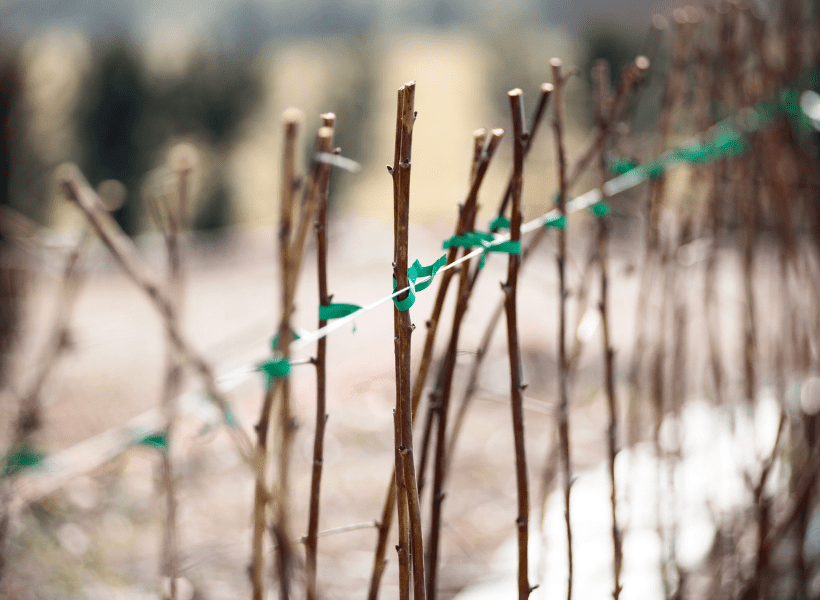
Plant canes 38-45cm apart along support wires, positioning them 5-8cm deep. Cut back to 23cm after planting to encourage vigorous new growth. Raspberries spread through suckers, eventually forming productive rows if not controlled. This trait makes them highly productive but potentially invasive in small gardens.
Herbs for March: Indoor Starts and Hardy Outdoor Types
The herb garden bridges ornamental and productive growing, providing flavours that transform cooking whilst attracting beneficial insects and adding fragrance. March offers opportunities for both protected sowing and direct outdoor planting of hardy types.
Mediterranean Herbs from Seed
Basil tops the list of March herb sowings for most gardeners, despite its frost-tender nature. Sown under protection in mid-March, basil transplants to outdoor positions in June or remains in pots for greenhouse or windowsill growing. Basil demands warmth; temperatures below 10°C cause blackening and failure. Sweet basil provides the classic pizza and pasta flavour, whilst purple and Thai types offer colour and exotic taste notes.
Sow basil seeds on the surface of moist compost in modules or small pots, covering with a thin layer of vermiculite. Maintain temperatures around 18-20°C and avoid overwatering, as seedlings readily succumb to damping off. Pinch out growing tips once plants establish to encourage bushy growth rather than single stems.
Parsley takes a different approach. Though we grow it as an annual, parsley technically operates as a biennial, cropping through the first season before flowering in year two. March sowings in modules produce plants for setting out in May, providing fresh leaves from early summer through the following spring. Growing parsley requires patience, as germination takes 3-4 weeks even under good conditions. Soaking seeds overnight improves results.
Lavender from seed requires patience but produces numerous plants economically. Sow in March under protection, maintaining cool temperatures (15°C). Germination occurs erratically over 2-4 weeks. These tiny seedlings grow slowly, taking a full year to reach planting-out size, but seed-raised lavender often shows better long-term vigour than cutting-propagated plants.
Hardy Herbs for Direct Sowing
Chives sown directly outdoors in March establish quickly, forming neat clumps that provide onion-flavoured leaves through the growing season. Scatter seeds thinly in shallow drills, thinning to 23cm spacing between clumps. Plants multiply rapidly; single sowings often last for years.
Coriander (cilantro) suits successive sowings through spring, as plants bolt rapidly in lengthening days. Sow every fortnight from mid-March through May, choosing bolt-resistant varieties like ‘Calypso’ for leaf production. For seed production (coriander spice), let later sowings run to flower in summer heat.
Dill and chervil follow similar patterns to coriander—quick growing, prone to bolting, benefiting from successive sowings. Both tolerate light shade, making them useful for tucking into partially shaded spots where sun-demanding vegetables struggle.
Perennial Herbs from Division
March offers excellent timing for dividing established perennial herbs that have outgrown their spaces or become congested. Mint particularly benefits from regular division, as it spreads aggressively and exhausts soil. Lift clumps, separate into healthy sections with roots attached, and replant in fresh soil or containers. Mint’s invasive tendencies make container growing attractive for many gardeners.
Oregano, thyme, and sage clumps lift and divide similarly. Spring division allows plants the full growing season to re-establish before winter tests their hardiness.
Succession Planting Strategy: Transforming March into Months of Harvests
The difference between adequate harvests and abundance often lies in succession planting—the practice of sowing small amounts of fast-maturing crops at intervals rather than single large sowings. March offers ideal conditions for establishing succession patterns that maintain fresh harvests through summer and autumn.
📅 Succession Planting Calendar
Weekly Sowing Schedule: March to August for Continuous Harvests
🌱 Succession Planting Strategy
🥗 Salad Leaves
Sow small amounts every fortnight from mid-March through August. Harvest begins 3-4 weeks after sowing. Perfect for cut-and-come-again harvesting.
🔴 Radishes
The fastest succession crop! Sow weekly from early March through September. Ready to harvest in just 4-6 weeks. Sow short rows for continuous supply.
🟣 Beetroot
Sow every 3 weeks from mid-March through June for harvests from June through October. Early sowings produce baby beets; later ones develop storage roots.
🧅 Spring Onions
Sow fortnightly from March through June. Each sowing provides 6-8 weeks of harvesting. Their slim profile allows interplanting with other crops.
🥕 Carrots
Early varieties every 3-4 weeks from March through June prevents gluts. Each sowing ready 10-12 weeks later. Choose quick-maturing types for succession.
Understanding Succession Planting Principles
Most salad and quick-maturing vegetables produce harvestable crops within a relatively short window before deteriorating. Lettuce hearts hold quality for perhaps two weeks before bolting. Radishes remain crisp and mild for a similar period before becoming woody and hot. Sowing entire packets at once creates feast-or-famine cycles where you desperately give away excess before crops bolt, followed by weeks without fresh produce.
Succession planting spreads sowings across time, creating overlapping plantings at different growth stages. As you harvest one sowing, the next approaches maturity, maintaining continuous supplies rather than gluts and gaps. The technique requires planning and discipline but dramatically increases the practical yield from your garden space.
Ideal Crops for March Succession Plantings
Several crops particularly benefit from the succession approach, maturing quickly enough to fit multiple plantings into a single season whilst providing consistently fresh harvests.
Best crops for succession sowing in March:
- Salad leaves: Harvest in 3-4 weeks, sow every fortnight
- Radishes: Ready in 4-6 weeks, sow weekly for continuous supply
- Spring onions: 8-10 weeks to maturity, sow fortnightly
- Beetroot: 10-12 weeks, sow every 3 weeks for baby beets through autumn
- Carrots: Early varieties in 10-12 weeks, successive sowings prevent gluts
Salad leaves represent the perfect succession crop. Quick-maturing mixed leaves or cut-and-come-again varieties provide harvests in just 3-4 weeks. Sow small patches every fortnight from mid-March through August, ensuring constant supplies. A metre-square bed sown every two weeks produces far more useful salad than four square metres sown simultaneously.
Radishes mature even faster at 4-6 weeks, making them excellent gap fillers and succession subjects. Their rapid growth means you can fit three or four crops into a single season from the same space. Sow short rows every week or ten days rather than planting wholesale.
Spring onions follow similar patterns. Every sowing provides 6-8 weeks of harvesting opportunity, so successive plantings from March through June maintain supplies through summer. Their slender profiles allow interplanting between slower-developing vegetables, making them excellent space maximisers.
Beetroot grows more slowly but still suits succession approaches. Sowings every three weeks from March through June provide fresh beetroot from June through October. Early sowings produce tender baby beets for salads; later sowings develop larger roots for storage.
Creating Your Succession Planting Calendar
Effective succession requires planning rather than hopeful memory. Create a simple calendar showing sowing dates for succession crops:
Mark out your March sowings first, then add fortnightly reminders through April, May, and June for successive batches. Different crops require different spacing intervals—radishes every week, salad leaves every fortnight, beetroot every three weeks. The calendar prevents forgetting successive sowings whilst crops already growing capture your attention.
Include quantities in your planning. Half a row of radishes every week proves more valuable than an entire bed at once. Three or four lettuces maturing at intervals beat twenty arriving simultaneously. Resist the temptation to plant entire seed packets; save unused seeds for successive sowings.
Essential March Garden Jobs Beyond Planting
Whilst planting captures most attention, several other March tasks significantly impact your food garden’s productivity through the season ahead.
Soil Preparation and Bed Readiness
Ground prepared in autumn stands ready for planting with minimal effort—perhaps a light fork-through and rake-level. Ground left rough through winter or newly created beds require more thorough preparation. Wait until soil reaches workable condition; attempting to dig or walk on waterlogged ground creates compaction that persists for years.
Soil preparation by crop type:
- Hungry feeders (courgettes, pumpkins, potatoes): Work in compost or well-rotted manure
- Root crops (carrots, parsnips): Avoid fresh organic matter to prevent fanging
- Most vegetables: Benefit from organic matter improvement
- Heavy clay soils: No-dig methods work best; add compost to surface
- Sandy soils: Incorporate organic matter to improve water retention
Understanding your soil type helps match crops to conditions and determine appropriate amendments.
Raised beds and no-dig systems minimise soil preparation requirements. Simply adding compost to the surface and allowing natural processes to incorporate it works wonderfully, eliminating the heavy digging traditional gardening demanded. This approach particularly suits heavy clay soils that become sticky and unmanageable when worked wet.
Protection Systems Setup
March weather’s unpredictability demands having protection ready to deploy when forecasts turn threatening. Fleece, cloches, and polytunnels enable planting weeks earlier than unprotected positions allow whilst providing insurance against unexpected cold snaps.
Protection options and uses:
- Lightweight fleece: Frost protection for established plants (2-4°C protection)
- Heavy-grade fleece: Meaningful growing environment improvement for seedlings
- Traditional glass cloches: Beautiful, effective, but fragile and expensive
- Plastic cloches: Decent performance at lower cost, more durable
- Polytunnels: Season extension of several weeks both ends
- Cold frames: Perfect for hardening off and early sowings
Horticultural fleece comes in various weights. Lay fleece over sowings or young plants, weighing edges with stones or soil. Remove or vent protection during warm spells to prevent excessive heat buildup.
Cloches create miniature greenhouses over rows or individual plants. Position cloches over beds to pre-warm soil before sowing, then leave in place to accelerate growth and protect from cold.
Tool Preparation and Organisation
Clean, sharp tools make gardening more pleasant and efficient. March offers a good opportunity to service tools after winter storage. Sharpen hoe blades so they slice through weed seedlings cleanly rather than dragging. Clean and oil pruning tools to maintain sharp cuts that heal quickly. Check trowel and fork handles for splinters or weakness.
Organise seed packets systematically rather than jumbling them in drawers or bags. Separating packets by sowing month creates a simple system—pull out “March” packets at month’s start, sow what’s appropriate, return others to storage. This prevents losing track of planting windows and missing opportunities.
Weed Control Before Problems Establish
March weed growth explodes as soil warms and light increases. Annual weed seedlings emerging now grow into seed-producing monsters by summer if ignored. Regular hoeing through March and April prevents this escalation, keeping weed pressure manageable.
Hoe on dry mornings so severed weed seedlings desiccate quickly rather than re-rooting in moist soil. The phrase “one year’s seeds, seven years’ weeds” contains truth; preventing a single weed generation from seeding dramatically reduces future weed pressure.
Perennial weeds—docks, thistles, couch grass, bindweed—require more targeted approaches. March offers good timing for removing these persistent characters before growing crops make access difficult. Fork out roots carefully; fragments left behind regenerate with annoying vigour.
Feeding Overwintered Crops
Vegetables that stood through winter—kale, purple sprouting broccoli, winter cabbages, overwintered onions—benefit from March feeding to fuel spring growth. Nitrogen-rich fertilisers like blood meal or chicken manure pellets applied around plants stimulate lush leaf production and heavy cropping.
Fruit trees beginning to blossom need support through their energy-intensive flowering and fruit-setting period. General-purpose fertiliser scratched into soil around trees provides nutrients as root activity increases. Avoid high-nitrogen feeds that promote leafy growth at fruit production’s expense; balanced formulations suit most fruit better.
Troubleshooting March Challenges: Common Problems and Solutions
Even well-planned March planting faces challenges from weather, pests, and simple bad timing. Understanding common problems and their solutions helps you adapt to circumstances rather than watching helplessly as plans fail.
Dealing with Unexpected Late Frosts
British weather specialises in the unexpected. That warm mid-March week that prompted ambitious planting can be followed by savage late frosts that blacken tender growth. Quick action limits damage when forecasts turn threatening.
Emergency frost protection methods:
- Deploy horticultural fleece immediately (even single layers provide 2-4°C protection)
- Cover small areas with newspaper, cardboard, or bed sheets
- Use upturned buckets or boxes over individual plants
- Water plants before nightfall (moist soil retains heat better)
- Create temporary windbreaks to reduce heat loss
Fleece protection mitigates much damage if deployed quickly. Even rough covers like newspaper or cardboard provide several degrees of frost protection for small areas.
Frost-damaged foliage often looks dramatically worse than the underlying plant. Resist the urge to immediately remove blackened leaves. Wait several days; many plants recover from surprisingly severe damage. Once you determine which plants have truly failed, the remaining growing season allows replacement sowings to succeed.
Consider creating frost protection infrastructure—hoops supporting fleece or plastic sheeting—that remains in place through late April or early May. Quick deployment then becomes a matter of draping covers rather than constructing protection from scratch whilst freezing air rushes in.
Managing Waterlogged Soil Conditions
Heavy winter rainfall often leaves soil waterlogged through early March. Seeds and transplants fail in saturated ground, rotting rather than rooting. Patience serves better than force in these conditions. Wait for soil to drain naturally rather than working it wet.
Raised beds solve waterlogging problems permanently. Even low raised beds (15-20cm) improve drainage dramatically, allowing earlier planting than flat ground permits. Creating raised beds represents significant initial effort but pays dividends through every subsequent season.
Where waterlogging persists, choose crops that tolerate wet conditions better than those that demand perfect drainage. Salad leaves and brassicas cope reasonably with moist soil. Carrots and parsnips perform poorly, developing misshapen roots or rotting outright.
Preventing and Managing Damping Off
Damping off—a fungal disease that attacks seedlings at soil level—causes more indoor sowing failures than all other problems combined. Affected seedlings topple over as stems collapse, dying rapidly. Prevention proves far easier than cure; once damping off appears, affected seedlings cannot be saved.
Key prevention strategies:
- Use fresh, sterile seed compost (never garden soil)
- Avoid overwatering; keep compost surface slightly dry
- Provide excellent ventilation around seedlings
- Water from below when possible, keeping leaves dry
- Ensure good spacing between seedlings
- Remove affected seedlings immediately if disease appears
If damping off appears despite precautions, remove affected seedlings immediately to prevent spread. Improve air circulation and reduce watering frequency. Severe outbreaks may require starting fresh with new compost and cleaned containers.
Slug and Snail Control Strategies
As soil warms and moisture levels remain high through March, slug and snail activity increases dramatically. Tender seedlings and young transplants face severe predation without protection. Organic gardeners have several effective options beyond chemical pellets.
Effective organic slug control methods:
- Physical barriers: Copper tape, crushed eggshells, wool pellets, gritty materials
- Beer traps: Check and refresh regularly for best results
- Natural predators: Encourage ground beetles, hedgehogs, thrushes
- Bottle cloches: Cut-off plastic bottles protect individual valuable plants
- Night patrols: Hand-pick slugs and snails after dark when most active
- Raised beds: Drier conditions reduce slug populations
Create barriers around vulnerable plants using materials slugs dislike crossing. None provide perfect protection but all reduce damage. Beer traps work well when checked and refreshed regularly. Encouraging natural predators provides long-term population control.
For valuable individual plants like young courgettes or chilli peppers, cut-off plastic bottles create miniature cloches that exclude slugs whilst maintaining warmth. Remove these once plants establish and develop tougher growth less attractive to molluscs.
Mouse and Bird Damage to Seeds
Mice consider pea and bean seeds highly desirable food, often excavating newly planted rows to steal seeds. Covering plantings with wire mesh until shoots emerge prevents this frustrating loss. Alternatively, pre-soak seeds in paraffin (which mice dislike) before planting.
Birds pull up onion and shallot sets with annoying regularity, scattering them across beds. Replant immediately if this occurs; sets often survive rough treatment. Fine netting supported on hoops excludes birds whilst allowing light and rain through. Once sets root firmly into soil after a week or two, bird predation ceases as sets become too secure to dislodge easily.
Planning for April: Setting Up Future Success
March activities lay groundwork for the entire growing season, but the work doesn’t end when the month concludes. April brings its own opportunities and challenges that benefit from advance planning during March.
Succession Sowings Continue
The succession sowings begun in March continue through April, May, and often into summer for crops like salad leaves and radishes. Mark your calendar now for these future sowings rather than relying on memory when April’s planting frenzy arrives. Having a plan prevents forgetting successive batches whilst you focus on new crops demanding attention.
Hardening Off Protocol
The seeds you sow in protection during March will need careful acclimatisation before facing outdoor conditions in April and May. This hardening off process gradually exposes protected plants to outdoor conditions, toughening them against environmental stresses.
Begin hardening off about two weeks before intended transplanting dates. Move plants outdoors during mild days, returning them to protection at night. Gradually extend outdoor exposure, eventually leaving plants out overnight once light frosts no longer threaten. Sudden transitions from cosy propagators to chilly gardens create check that delays cropping for weeks.
Transplanting Timing
Indoor-sown crops mature at different rates, demanding transplanting on individual schedules. Tomatoes sown in mid-March typically need moving to larger pots in mid-April before final planting in late May. Brassicas move to outdoor positions earlier, often in late April. Creating a transplanting schedule alongside your sowing calendar prevents plants becoming rootbound whilst waiting for attention.
Maintenance Schedule
March plantings require ongoing care through spring and summer to reach their potential. Peas need support structures installed as they grow. Potatoes demand earthing up at regular intervals. Broad beans benefit from pinching out growing tips once pods form, discouraging blackfly whilst directing energy into pod production.
Create a simple maintenance schedule noting when different crops need specific attention. This prevents forgetting critical tasks until problems arise or opportunities pass.
Your March Growing Journey Starts Now
March’s four short weeks carry disproportionate importance for your food garden’s success through the year ahead. The vegetables you sow directly into warming soil, the indoor seedlings you start in protection, and the fruit plants you establish whilst dormant all contribute to harvests extending from early summer through the following spring.
Regional variations across the UK mean your specific timing differs from gardeners elsewhere in Britain. Coastal Cornwall’s early opportunities contrast sharply with Highland Scotland’s late start, but both environments offer productive food growing when you align plantings with local conditions. Understanding your microclimate and frost risk allows you to push boundaries sensibly rather than fighting losing battles against climate reality.
Succession planting transforms productive capacity without requiring additional space. Those fortnightly sowings of salad leaves and weekly radish plantings that feel almost trivial in March compound into continuous harvests through summer whilst single large sowings create brief gluts followed by gaps. The discipline of successive small plantings proves transformative.
Protection infrastructure—fleece, cloches, cold frames—extends March’s planting window at both ends. Pre-warming soil under covers allows earlier sowings than exposed beds permit, whilst having protection ready to deploy against unexpected cold snaps provides insurance for ambitious plantings. The small investment in protection materials pays returns through every subsequent growing season.
This March, as soil warms and daylight extends, you’re not merely planting seeds. You’re establishing the foundation for months of homegrown food that will fill your kitchen with flavours supermarkets cannot match. Those early sowings of broad beans will flower in May, attracting bees whilst developing pods for June harvests. March-planted potatoes will yield new potatoes by midsummer. Indoor-sown tomatoes will crop from July through September. Each action compounds through time, creating abundance from these focused weeks of work.
The difference between successful and struggling food gardens often lies not in dramatic interventions but in consistent attention to timing, conditions, and plant needs. March rewards that attention generously. Plan your regional timing carefully, prepare protection systems before you need them, embrace succession planting principles, and match crops to your conditions rather than forcing unsuitable choices. Your reward arrives in the weeks and months ahead as harvests roll in from these March investments.
Continue Your Journey
Deepen your food growing knowledge with these related guides:
Starting a Vegetable Garden walks you through the foundational decisions that transform empty ground into productive food-growing space, from site selection through initial bed preparation.
How to Plan a Vegetable Garden provides the strategic framework for maximising yields from available space through proper crop rotation, companion planting, and succession planning approaches.
Companion Planting explores how combining compatible plants improves pest resistance, enhances pollination, and increases overall garden productivity through natural plant partnerships.
Understanding Soil Types helps you identify your garden’s soil characteristics and match crops to conditions whilst learning improvement strategies for challenging soils.
Cool Weather Vegetables expands on the crops that thrive in spring’s changeable conditions, providing detailed growing information for vegetables that prefer cool rather than hot weather.
What March plantings are you most excited about establishing this spring? Share your regional timing insights and favourite varieties in the comments below—your experience helps fellow gardeners navigate their local growing conditions.