
Growing Tomatoes: Expert Tips for Your Best Harvest Ever
I sometimes use affiliate links in content. This doesn’t cost you anything but I may make a commission payment from anything you buy through these links. As an Amazon Associate I earn from qualifying purchases. All opinions remain my own.
Tomatoes are one of the most popular and rewarding vegetables to grow in your garden. Whether you have acres of space or just a small balcony, these versatile plants can provide a bountiful harvest of delicious fruits that taste far superior to store-bought options. This comprehensive guide will walk you through everything you need to know about growing tomatoes successfully, from seed to harvest.
Quick Facts About Tomatoes
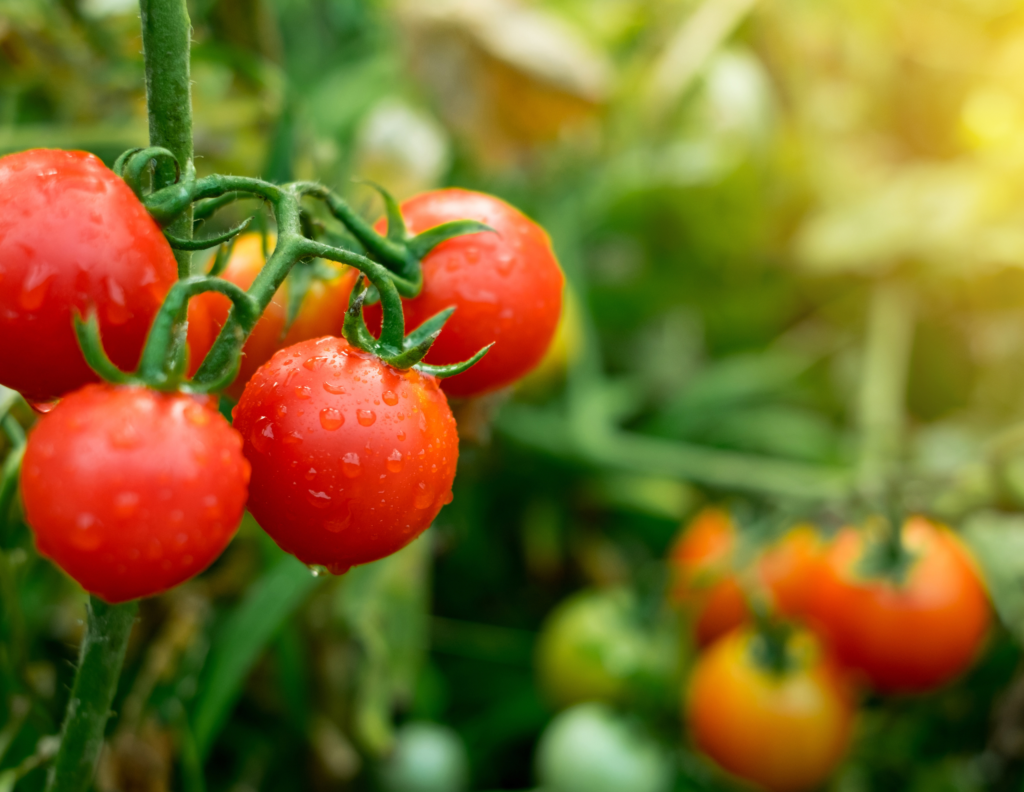
- Growing Season: Spring to Fall
- Sunlight Needs: Full sun (6-8 hours daily)
- Soil Requirements: Rich, well-draining, slightly acidic (pH 6.0-6.8)
- Spacing: 18-36 inches apart, depending on variety
- Days to Maturity: 60-100 days, depending on variety
- Water Needs: Regular, consistent moisture (1-2 inches per week)
- Companion Plants: Basil, marigolds, nasturtiums, carrots
- Common Problems: Blight, blossom end rot, aphids, hornworms
Choosing the Right Tomato Varieties
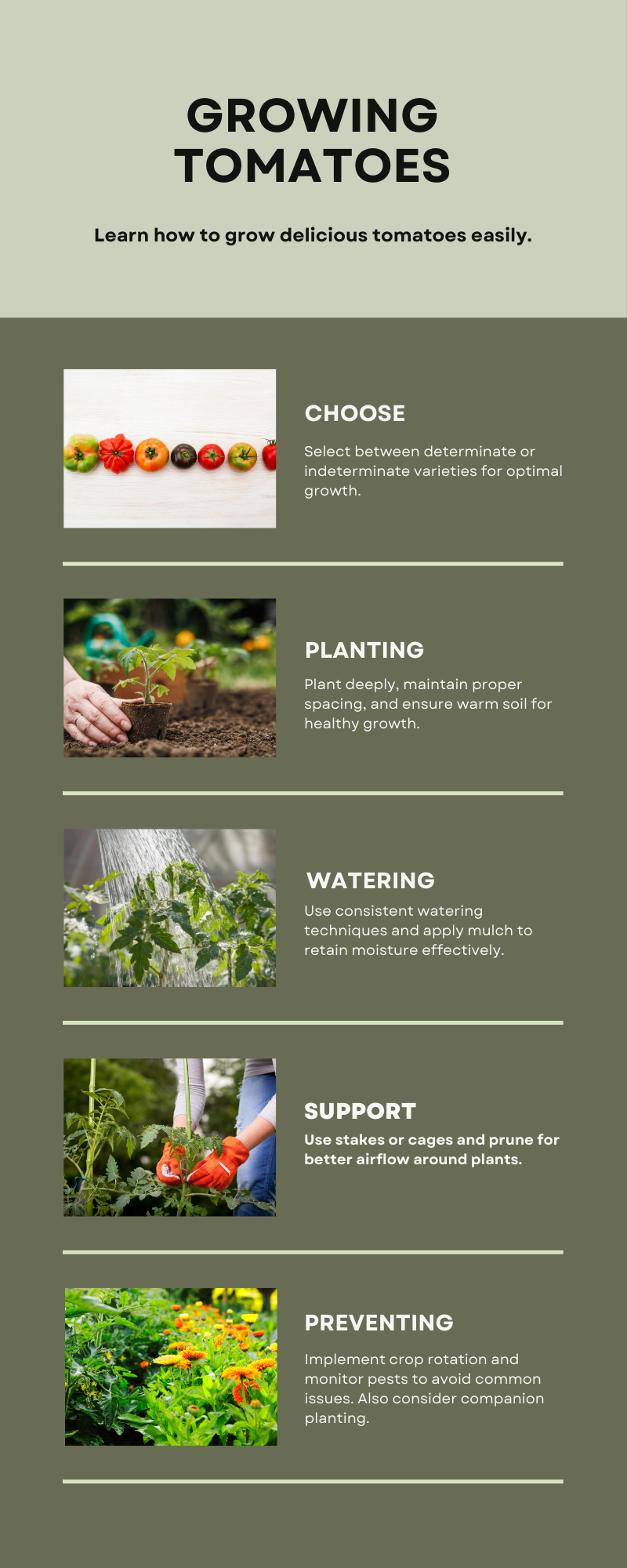
Before you begin, it’s important to select the right tomato varieties for your growing conditions and preferences.
Determinate vs. Indeterminate
- Determinate (Bush): Grow to a predetermined height, produce all their fruit at once, and are ideal for containers or small spaces. Great for canning or preserving projects.
- Indeterminate (Vining): Continue growing and producing fruit throughout the season until killed by frost. These require staking or caging and provide a continuous harvest.
Popular Tomato Types
- Cherry/Grape Tomatoes: Small, sweet fruits that are perfect for salads and snacking (e.g., ‘Sun Gold’, ‘Sweet Million’)
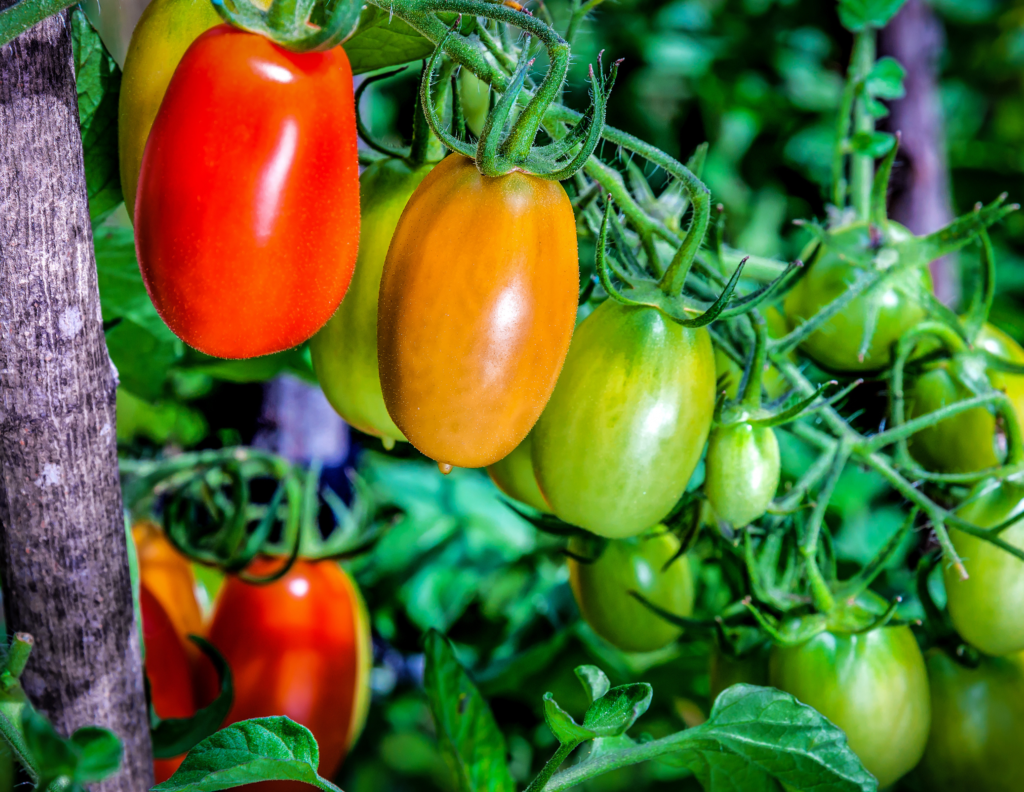
- Roma/Plum Tomatoes: Meaty with fewer seeds, excellent for sauces and pastes (e.g., ‘San Marzano’, ‘Roma VF’)
- Beefsteak Tomatoes: Large, juicy slicing tomatoes ideal for sandwiches (e.g., ‘Brandywine’, ‘Big Beef’)
- Heirloom Varieties: Open-pollinated varieties passed down through generations, offering unique flavors and colors (e.g., ‘Black Krim’, ‘Green Zebra’)
Starting From Seed
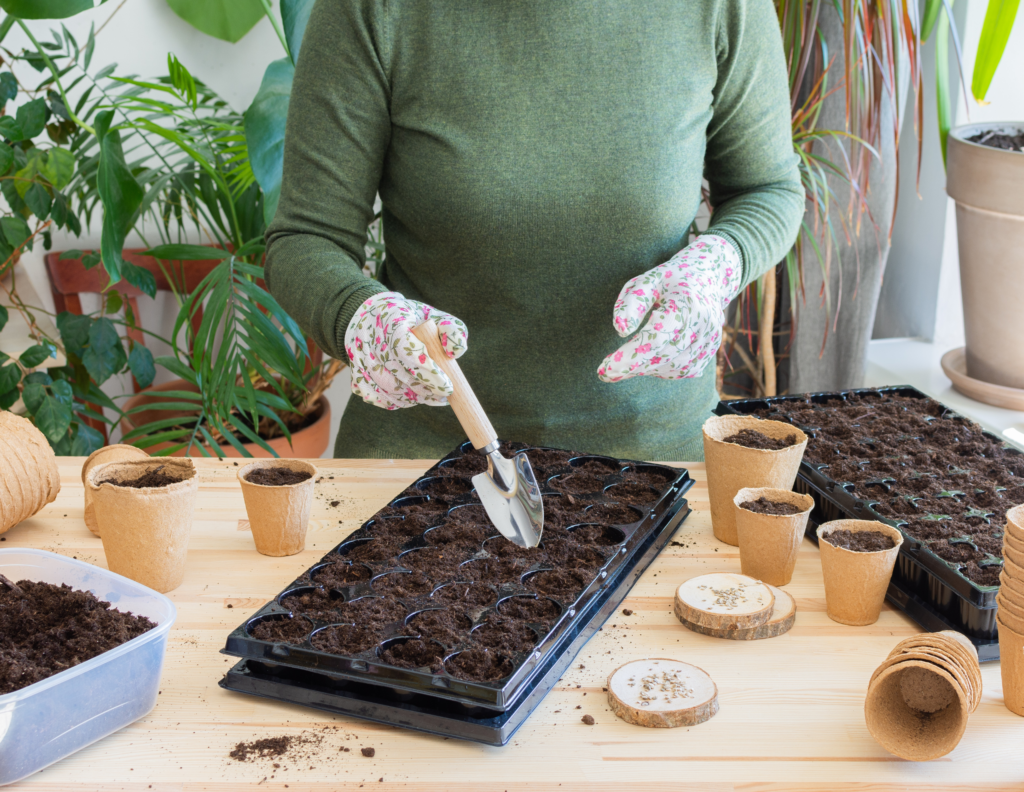
For best results, start tomato seeds indoors 6-8 weeks before your last spring frost date. If you’re new to starting seeds, check out our guide on starting a vegetable garden.
- Sowing: Plant seeds ¼ inch deep in seed-starting mix in small containers
- Temperature: Keep soil temperature between 70-75°F (21-24°C) for germination
- Light: Provide 14-16 hours of light daily once seeds germinate (a south-facing window or grow lights)
- Watering: Keep soil consistently moist but not soggy
- Hardening Off: About two weeks before transplanting, gradually expose seedlings to outdoor conditions
Planting Tomatoes
Whether you’ve grown your own seedlings or purchased starter plants, proper planting is crucial for success.
Forged & Grown
Garden pieces, printed to order
3D printed planters and garden accessories, made in the UK. Self-watering designs, sculptural shapes, colour options — each one made when you order it.


When to Plant
Wait until after all danger of frost has passed and soil temperatures reach at least 60°F (16°C). In most regions, this is 2-3 weeks after the last spring frost date. For seasonal timing advice, see our guides on what to plant in May or what to plant in June.
Where to Plant
- Sunlight: Choose a location that receives at least 6-8 hours of direct sunlight daily
- Soil: Plant in rich, well-draining soil. To improve your garden soil, consider creating living soil.
- Spacing: Plant determinate varieties 18-24 inches apart; indeterminate varieties 24-36 inches apart
- Rows: Space rows 4-5 feet apart
Planting Method
- Dig a deep hole: Make it large enough to bury ⅔ of the plant (including some of the stem)
- Remove lower leaves: Strip off leaves from the portion of the stem that will be buried
- Add amendments: Mix compost or slow-release organic fertilizer into the planting hole
- Plant deeply: Burying the stem encourages additional root development along the buried portion
- Water thoroughly: Saturate the soil around the plant after planting
Container Growing
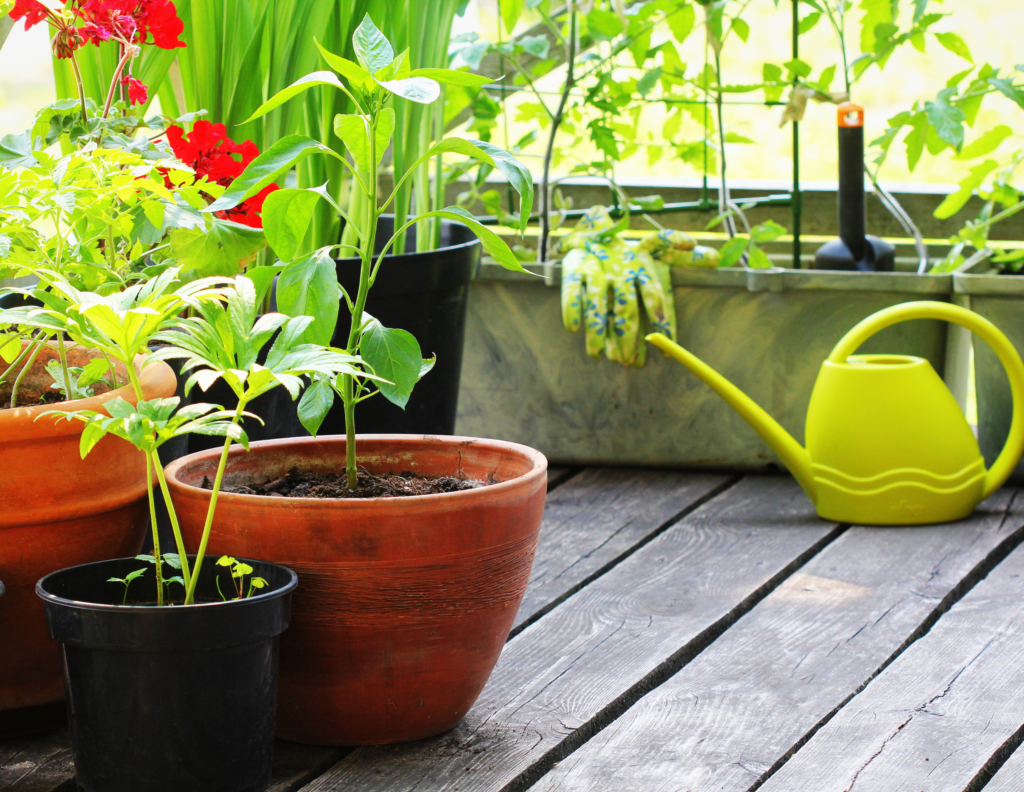
Limited on space? Tomatoes grow exceptionally well in containers. For container gardening tips, see our beginner’s guide to container gardening.
- Container size: Use at least a 5-gallon container per plant (larger is better)
- Drainage: Ensure containers have adequate drainage holes
- Soil: Use high-quality potting mix specifically designed for containers
- Varieties: Choose determinate or compact varieties like ‘Patio Princess’ or ‘Tiny Tim’
Supporting Your Tomato Plants
Most tomato varieties, especially indeterminate types, require support to keep fruits off the ground and prevent disease.
Support Options
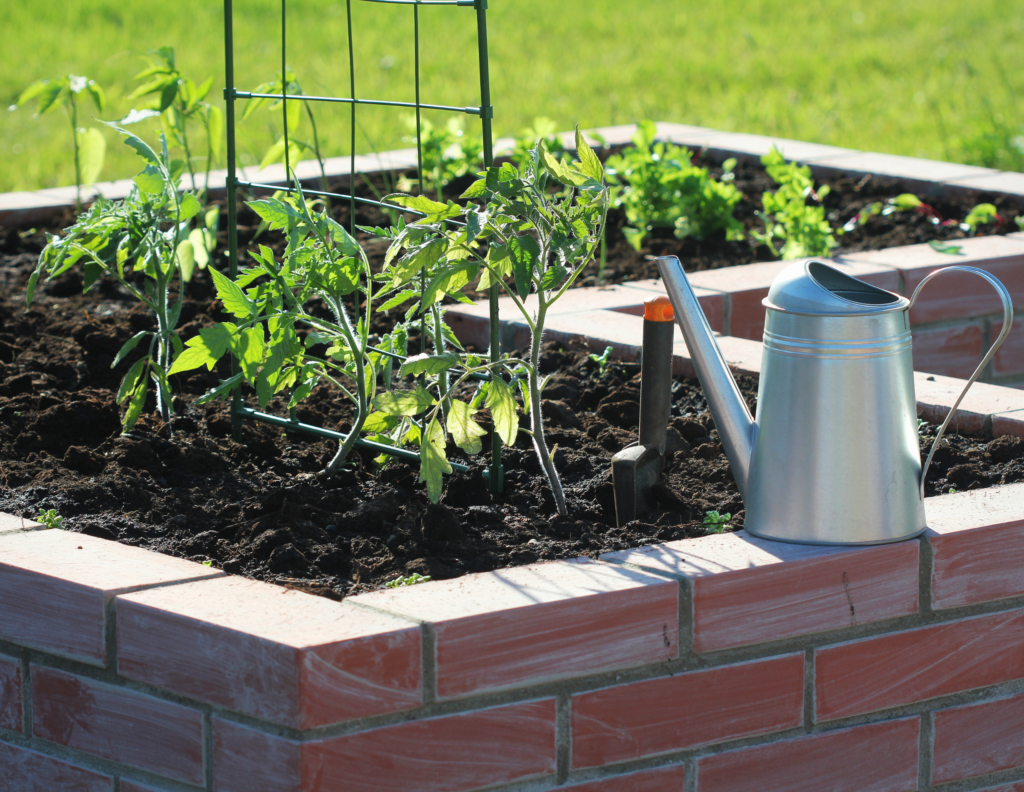
- Tomato Cages: Place around young plants; sturdy, conical wire structures
- Stakes: Drive a 6-foot stake next to each plant and tie the stem to it as it grows
- Trellises: Attach plants to a trellis system using soft garden twine
- Florida Weave: Run twine between stakes placed every few plants in a row
Watering and Feeding
Consistent watering and proper feeding are essential for healthy tomato plants and sweet, flavorful fruits.
Watering Tips
- Consistency: Water deeply and consistently, allowing soil to dry slightly between waterings
- Amount: Provide approximately 1-2 inches of water weekly, adjusted for rainfall
- Method: Water at the base of plants to keep foliage dry
- Mulching: Apply a 2-3 inch layer of organic mulch to conserve moisture and reduce weeds
- Warning Signs: Wilting during midday heat is normal; wilting in the morning indicates watering needs
Fertilizing Schedule
- At planting: Mix in balanced, slow-release organic fertilizer
- Early growth: Feed with balanced fertilizer (equal NPK) when plants are established
- Fruit set: Switch to a fertilizer higher in phosphorus and potassium but lower in nitrogen once flowering begins
- Regular feeding: Apply organic liquid fertilizer every 2-3 weeks during growing season
For information on organic vs. non-organic options, see our guide on organic vs. non-organic fertilizer.
Pruning and Maintenance
Regular pruning helps improve air circulation, reduces disease risk, and directs the plant’s energy toward fruit production.
Pruning Techniques
- Removing suckers: For indeterminate varieties, pinch off the small shoots that form in the crotch between the main stem and branches
- Lower leaf removal: Remove the bottom leaves that touch the soil to prevent disease
- Topping: Prune the growing tips of indeterminate varieties 30 days before your first expected frost to encourage ripening of existing fruit
Companion Planting
Companion planting can help deter pests, attract beneficial insects, and improve growing conditions. For more information, see our article on companion planting.
Good Companions for Tomatoes
- Basil: Repels pests and improves flavor
- Marigolds: Deter nematodes and other soil pests
- Carrots: Growing carrots alongside tomatoes can maximize space
- Nasturtiums: Act as a trap crop for aphids
- Garlic and Onions: Growing onions or growing garlic near tomatoes can repel certain insects
Poor Companions
- Potatoes, eggplants, peppers (same family, share diseases)
- Corn (attracts similar pests)
- Brassicas like cabbage and broccoli
Common Problems and Solutions
Even with the best care, tomatoes can face various challenges. Early detection is key to successful management.
Diseases
- Early Blight: Brown spots with concentric rings on lower leaves
- Solution: Remove affected leaves, improve air circulation, apply organic fungicide
- Late Blight: Dark water-soaked spots on leaves, white fungal growth
- Solution: Remove infected plants, apply copper-based fungicide preventatively
- Blossom End Rot: Black sunken areas on fruit bottoms
- Solution: Maintain consistent watering, add calcium to soil
For more proactive approaches, check out our spring pest prevention guide.
Pests
- Hornworms: Large green caterpillars that devour foliage
- Solution: Handpick, introduce beneficial insects like parasitic wasps
- Aphids: Small soft-bodied insects that suck plant juices
- Solution: Spray with strong water stream, introduce ladybugs, apply insecticidal soap
- See our guide on beating aphids naturally
- Whiteflies: Tiny white insects that fly up when plants are disturbed
- Solution: Yellow sticky traps, insecticidal soap, natural predators
Harvesting
The reward for all your hard work comes at harvest time!
When to Harvest
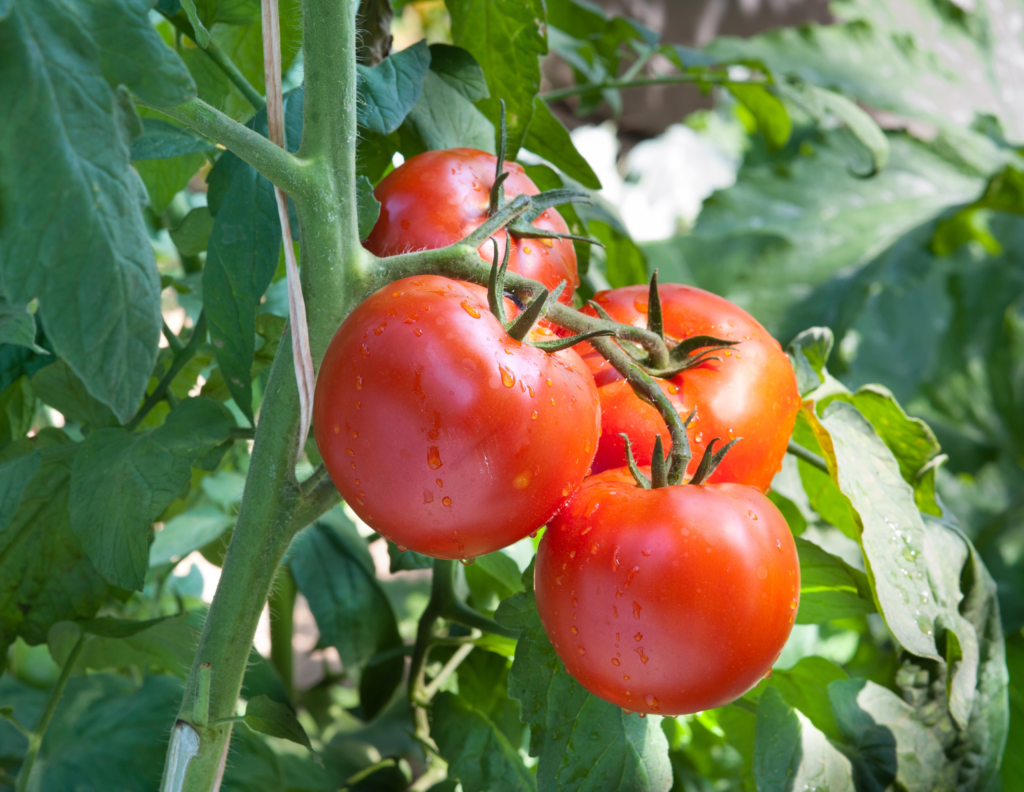
- Perfect Ripeness: Harvest when fruits are fully colored but still firm
- Semi-Ripe Option: Pick when fruits begin to show color and allow to ripen indoors (useful at end of season)
- Signs of Readiness: Slight softness when gently squeezed, rich color, fruit easily separates from stem
How to Harvest
- Harvest in the morning when temperatures are cooler
- Use pruning shears or scissors to cut fruit from the vine
- Handle fruits gently to avoid bruising
- For green tomatoes at the end of the season, harvest before frost and ripen indoors
Season Extension
To get the most from your tomato plants, consider these season extension techniques:
- Row covers: Protect young plants from cold in spring
- Water walls: Insulate individual plants with water-filled cylinders
- Cold frames: Protect plants from early fall frosts
- Greenhouses or polytunnels: Extend growing season by several weeks or months
Seed Saving
To save seeds from your favorite varieties for next year:
- Choose fully ripe fruits from healthy, productive plants
- Scoop out seeds with pulp into a container
- Ferment for 2-3 days at room temperature
- Rinse seeds thoroughly and dry on paper towels
- Store in a cool, dry place in labeled envelopes
Final Tips for Success
- Rotation: Don’t plant tomatoes in the same spot more than once every 3-4 years
- Record-keeping: Track varieties, planting dates, and performance
- Soil testing: Consider testing your soil to identify specific nutrient needs
- Start small: Begin with just a few plants until you gain experience
- Join communities: Connect with local gardeners to share knowledge about varieties that work well in your area
By following this comprehensive guide, you’ll be well on your way to growing delicious, healthy tomatoes that will be the envy of your neighborhood. Remember that gardening is a learning process—don’t be discouraged by setbacks, as each season brings new knowledge and improvements.
For more vegetable growing guides, check out our complete guide to spring vegetable planting and explore the 48 types of vegetables you can grow in your garden.
Happy growing!


