
Growing Pecans in Your UK Garden: A Complete Guide

I sometimes use affiliate links in content. This doesn’t cost you anything but I may make a commission payment from anything you buy through these links. As an Amazon Associate I earn from qualifying purchases. All opinions remain my own.
Growing pecans in your UK garden is a rewarding and delicious experience, but it’s also one that requires some knowledge and preparation. This guide will provide you with all the information you need to successfully cultivate pecan trees in your backyard.
You’ll learn about the best climates for growing pecans, what soil conditions are most conducive to their growth, how to care for them throughout their life cycle, and how to properly harvest nuts from mature trees. With this comprehensive guide at your fingertips, you can confidently grow beautiful and bountiful pecan trees right in your own garden!
Growing Pecans in Your UK Garden
Although pecans are traditionally grown in the southern United States, many gardeners in the UK are discovering that these delicious nuts can be successfully grown right in their own backyards. With a little bit of planning and care, it is possible to cultivate pecan trees that produce a bountiful harvest each year.
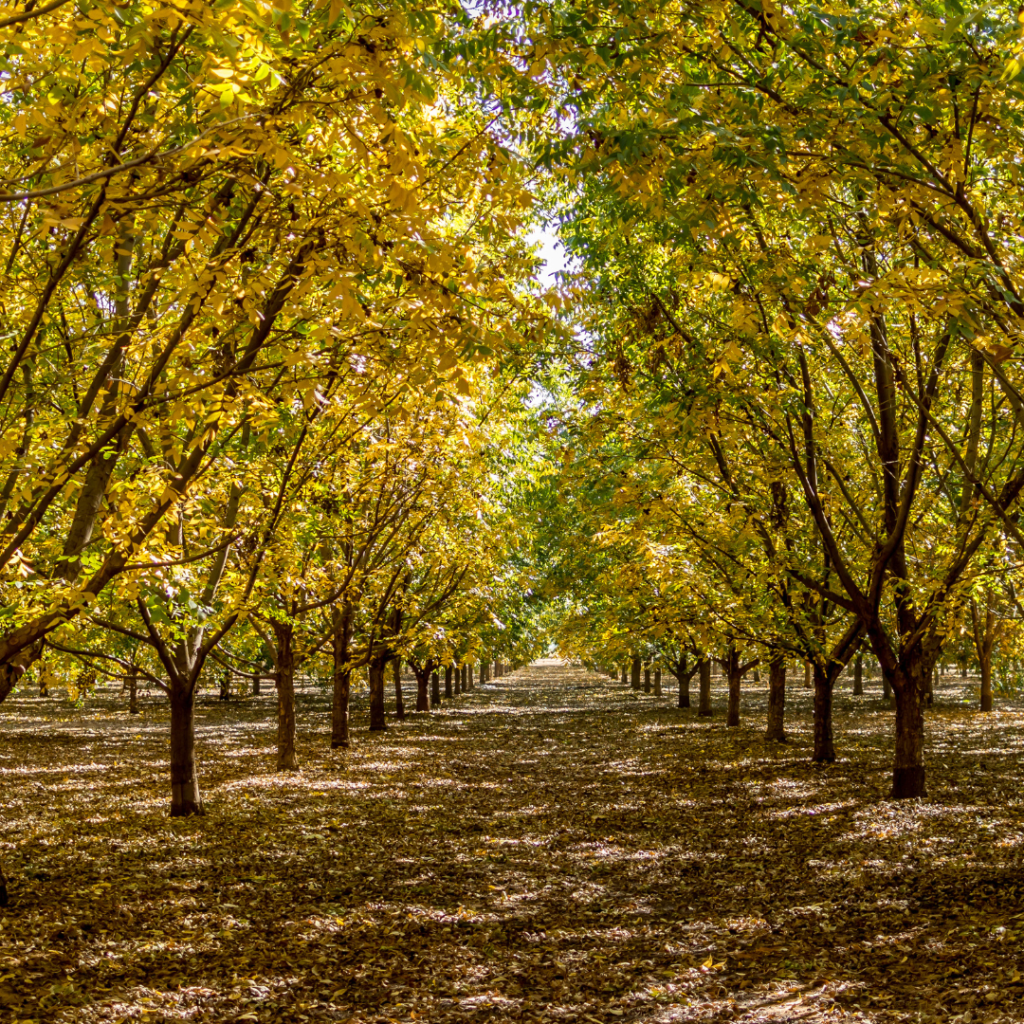
While the UK’s climate may be a bit cooler than what pecans are used to, selecting the right variety of tree and providing adequate protection from the elements will go a long way in ensuring success. Whether you’re an experienced gardener looking to add a new challenge to your repertoire or simply love the taste of pecans and want to grow your own, it’s definitely worth considering this rewarding and delicious pursuit.
Forged & Grown
Garden pieces, printed to order
3D printed planters and garden accessories, made in the UK. Self-watering designs, sculptural shapes, colour options — each one made when you order it.


Identifying the Best Conditions for Growing Pecans in the UK
Pecans are a delicious nut that is often associated with the American South, and for good reason. These delectable nuts thrive in warm, sunny climates, making them a staple of Southern cuisine. So, what does that mean for those of us in the UK? Can pecans be grown here successfully?
The short answer is yes, with a few stipulations. Pecans need a long growing season, plenty of sunlight, and well-draining soil to reach their full potential. But with careful planning and dedication, it is possible to successfully grow these tasty nuts right here in the UK.
Understanding Soil Conditions for Pecan Optimal Growth
While pecans are traditionally grown in the southeastern United States, with Texas being the largest producer, there is increasing interest in cultivating this nut crop in the United Kingdom. While pecan trees can still survive in the UK’s milder climate, it is important to identify the best conditions for optimal growth.
Researchers have found that pecans need at least 150 frost-free days per year and a minimum of 1400 growing degree days to properly ripen. Additionally, pecan trees require well-drained soil and a lot of sunlight. By finding the right balance of these factors, growers in the UK may be able to successfully produce this delicious and nutritious nut. There is no doubt that with its rich, buttery flavor, the pecan would be a great addition to the local agricultural landscape.
Caring for Pecan Trees Throughout Their Life Cycle
Pecan trees are not only a beautiful addition to any landscape, but they also produce delicious nuts that can be enjoyed year-round. To ensure that these trees thrive and reach their full potential, it’s important to care for them throughout their entire life cycle. This includes providing proper irrigation, fertilization, and pruning as well as monitoring for pests and diseases.

By taking care of your pecan trees, not only will you be rewarded with a bountiful harvest, but you’ll also be contributing to the overall health of your environment. So, roll up your sleeves and get ready to get your hands dirty because there’s nothing quite like caring for these wonderful trees!
- Choose the right location: Plant your pecan tree in an area with well-draining soil and plenty of sunlight (at least 6-8 hours per day). Ensure there is enough space for the tree to grow, as mature pecan trees can reach heights of 70-100 feet and widths of 40-75 feet.
- Planting: Dig a hole that is twice as wide and slightly deeper than the root ball of your pecan tree. Place the tree in the hole and ensure that the root flare (where the roots begin to spread out from the trunk) is slightly above the soil level. Fill the hole with soil, gently tamping it down to remove air pockets.
- Watering: Water the tree immediately after planting, ensuring the soil is thoroughly moist. During the first year, water the tree deeply every 7-10 days, or more frequently during hot, dry periods. As the tree matures, you can reduce watering frequency, but ensure the soil remains consistently moist.
- Mulching: Apply a layer of organic mulch, such as wood chips or shredded leaves, around the base of the tree to help conserve moisture, regulate soil temperature, and suppress weeds. Keep the mulch a few inches away from the trunk to prevent rot and pest infestations.
- Fertilizing: In the first year, apply a balanced slow-release fertilizer (such as 10-10-10) in early spring and again in early summer. As the tree grows, you can switch to a pecan-specific fertilizer with higher levels of zinc, which is essential for pecan development.
- Pruning: Prune young pecan trees to establish a strong central leader (main trunk) and well-spaced lateral branches. Remove any dead, damaged, or crossing branches. As the tree matures, prune to maintain its structure and remove any branches that are too low or overcrowded.
- Pest and disease management: Monitor your pecan tree for signs of pests, such as aphids, pecan weevils, or twig girdlers, and diseases like pecan scab or bacterial leaf scorch. Apply appropriate treatments as needed, following the manufacturer’s instructions and consulting with a local extension agent if necessary.
- Harvesting: Pecan trees typically begin producing nuts at 5-10 years of age. Harvest pecans when the outer husks split open, revealing the nut inside. Store the harvested nuts in a cool, dry place for long-term storage.
By following these basic steps, you’ll be well on your way to growing a healthy and productive pecan tree. Remember to be patient, as it takes time for the tree to establish itself and start producing nuts.
Harvesting Nuts from Mature Pecan Trees
Harvesting nuts from mature pecan trees can be an enjoyable and rewarding experience for any farmer or backyard gardener. The process requires patience and dedication, but the end result is a bountiful harvest of delicious and nutritious nuts. With the right tools and techniques, anyone can learn how to effectively harvest pecans from mature trees.
This helpful and informative practice not only provides an opportunity to stock your kitchen pantry with fresh nuts, but also promotes physical activity and outdoor enjoyment. So put on your gloves, grab a basket, and start harvesting those pecans!

Tips and Tricks to Maximize Yields from Your Pecan Tree
If you’re a proud owner of a pecan tree, congratulations! However, owning a pecan tree comes with its challenges and knowing how to maximize yields can be a daunting task. But fear not! There are plenty of helpful and informative tips and tricks to take your pecan tree yields to the next level.
Whether it’s tackling pests, fertilizing techniques or even pruning methods, investing a little time and effort can pay off with a bountiful harvest. So, before you lament over a mediocre yield, check out these useful tips and tricks to help you get the most out of your pecan tree.
- Choose the right variety: Selecting a suitable pecan tree variety for your region and climate can significantly impact yield. Look for varieties that are disease-resistant and adapted to your local growing conditions.
- Proper spacing: Plant pecan trees at least 35-50 feet apart to ensure they have ample room to grow and develop a strong canopy. Overcrowding can reduce sunlight penetration and limit nut production.
- Cross-pollination: Pecan trees are wind-pollinated, and many varieties require cross-pollination from a different variety to produce optimal yields. Plant at least two compatible pecan varieties within close proximity to improve pollination and increase nut production.
- Soil testing and amendment: Conduct a soil test before planting to determine nutrient levels and pH. Amend the soil as needed based on the test results to create an optimal growing environment for your pecan trees.
- Consistent watering: Pecan trees require consistent moisture, especially during the nut development stage. Implement a regular watering schedule and consider installing a drip irrigation system to ensure consistent moisture levels and prevent water stress, which can negatively impact yields.
- Fertilization: Apply appropriate fertilizer based on soil test results and the tree’s age. Proper fertilization, especially with zinc, is crucial for maximizing pecan yields. Apply fertilizer in a circle around the tree’s drip line and water thoroughly to encourage nutrient uptake.
- Pruning and training: Regular pruning helps maintain the tree’s overall health, encourages a strong central leader, and improves sunlight penetration, which is essential for nut production. Remove dead, damaged, or crossing branches and maintain an open canopy to maximize yields.
- Pest and disease management: Regularly inspect your pecan trees for signs of pests and diseases. Implement integrated pest management strategies, such as releasing beneficial insects, applying organic or chemical treatments, and practicing proper sanitation to minimize the impact of pests and diseases on nut production.
- Proper harvest and storage: Harvest pecans promptly when the outer husks split open. Allowing nuts to remain on the tree too long can lead to a reduction in quality and yield. Store harvested pecans in a cool, dry place to preserve their freshness and prevent spoilage.
By implementing these tips and tricks, you can maximize the yields from your pecan tree and enjoy a bountiful harvest year after year.
Conclusion
Growing pecans in your UK garden is a rewarding and delicious experience, but it does require knowledge and preparation. By understanding the best climates for growing pecans, what soil conditions are most conducive to growth, how to care for them throughout their life cycle and how to properly harvest nuts from mature trees, you can confidently grow beautiful and bountiful pecan trees right in your own garden.
With a little bit of dedication and effort, you can enjoy the deliciousness of homegrown pecans right in your backyard!


