27 of the Best Grow Your Own Herb Plants
I sometimes use affiliate links in content. This doesn’t cost you anything but I may make a commission payment from anything you buy through these links. As an Amazon Associate I earn from qualifying purchases. All opinions remain my own.
Do you love the taste of fresh herbs, but don’t always have time to run to the store for them? Why not try growing your own herb plants? Not only will you have delicious herbs at your fingertips whenever you need them, but you’ll also save money in the process. Check out this list of 27 of the best grow your own herb plants and get started today!
Angelica
Many people enjoy growing their own herbs for both the flavor and the health benefits they offer. Angelica is one such herb that provides a unique flavor to many dishes, as well as a variety of health benefits.
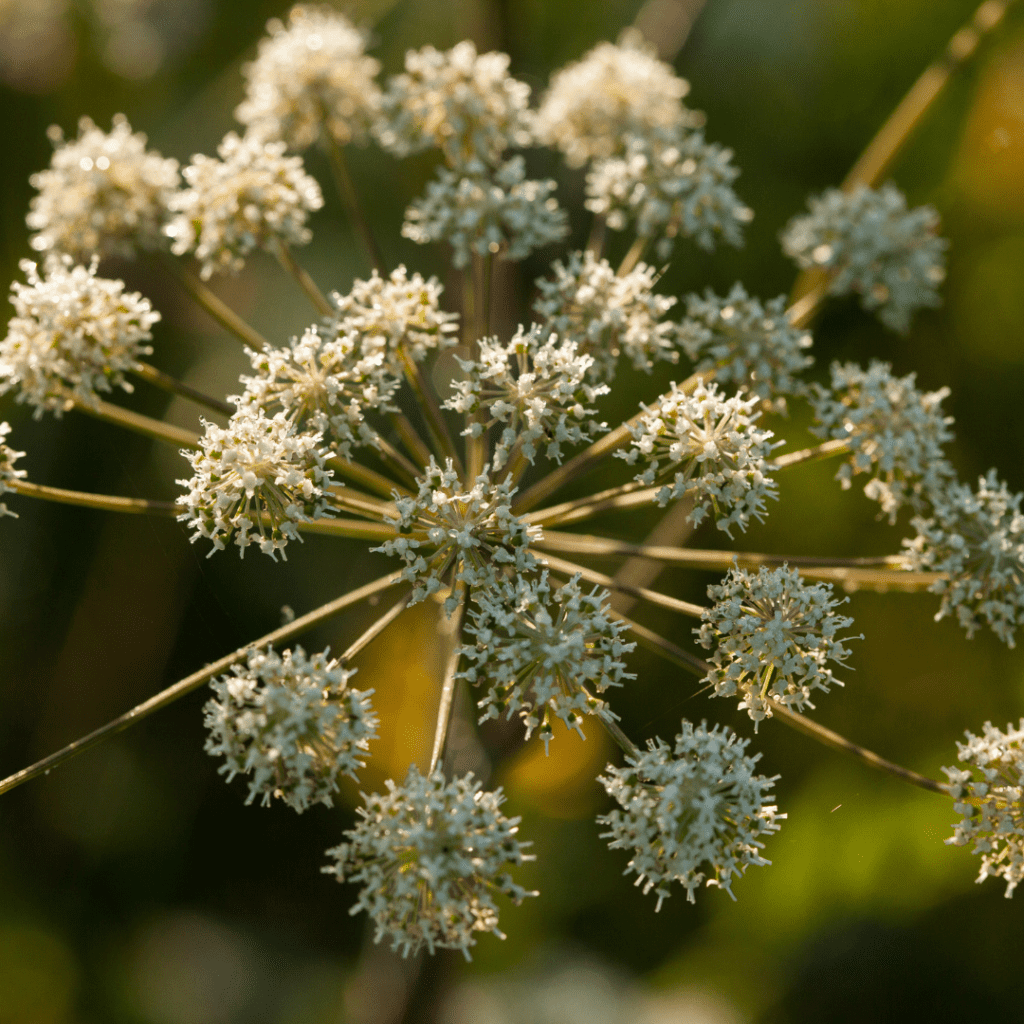
One of the main reasons to grow your own angelica is that it can be quite expensive to purchase at the store. Furthermore, store-bought angelica is often not as fresh as home-grown, which can make a big difference in taste.
Additionally, angelica is very easy to grow, and only needs partial sun and well-drained soil. With a little love and care, you can enjoy fresh angelica all season long! Plus, there’s nothing quite like the satisfaction of using your own homegrown herbs in your cooking.
Forged & Grown
Garden pieces, printed to order
3D printed planters and garden accessories, made in the UK. Self-watering designs, sculptural shapes, colour options — each one made when you order it.


Arugula
Arugula, also known as Rocket Salad or Roquette, is a nutritious leafy green that is packed with vitamins and minerals. It has a peppery flavor that is perfect for adding a zesty kick to salads, sandwiches, and pasta dishes. Best of all, arugula is easy to grow, even in small spaces.
Arugula can be grown indoors or out, and it doesn’t require much care or attention. Simply planting the seeds and watering them regularly will result in a bountiful crop of delicious greens. So why not give arugula a try? You may be surprised at how much you enjoy the taste of this versatile and nutritious green.
Basil
Anyone who enjoys cooking knows that fresh herbs can make all the difference in a dish. While it’s easy enough to buy pre-packaged herbs at the grocery store, there’s nothing quite like using herbs that you’ve grown yourself.
Basil is one of the most popular herbs for cooking, and it’s also one of the easiest to grow. All you need is a pot, some soil, and plenty of sunlight. Basil thrives in warm weather, so if you live in a climate with long summers, you can enjoy fresh basil all season long. harvesting basil is also simple – just clip the leaves as needed, and your plant will continue to produce new growth.
Best of all, growing your own basil is a great way to add a personal touch to your cooking. Whether you use it to flavor a homemade pesto or top off a summer salad, homegrown basil is sure to leave a lasting impression on your taste buds.
Learn more about growing basil

Bay
Bay leaves are a common ingredient in many recipes, but they can be difficult to find in stores. Fortunately, they are very easy to grow at home. Bay trees prefer warm weather and well-drained soil, making them ideal for growing in a pot on a sunny patio. With a little care, they can produce an abundance of fragrant leaves that can be used fresh or dried.
In addition to being a useful culinary herb, bay leaves also make an attractive addition to any garden. They have glossy evergreen leaves and delicate white flowers that bloom in the spring. For gardeners looking for an easy-to-grow herb with multiple uses, bay trees are the perfect choice.
Bergamot
Many people are familiar with Bergamot Citrus fruits, but did you know that you can also grow your own Bergamot tree? Bergamot is a type of citrus fruit that is often used to flavor Earl Grey tea. The oil from Bergamot peel is also used in perfumes and cosmetics.
If you live in a warm climate, you can easily grow your own Bergamot tree. Bergamot trees are relatively easy to care for and can produce an abundance of fruit. The fruits are large and have a thin skin that is easy to peel. Bergamots are also packed with nutrients, including Vitamin C and potassium. In addition, the oils from Bergamot peels can be used to make homemade cleaning products and air fresheners.
Borage
Borage, also known as starflower, is a beautiful herb that has a variety of uses. The small, edible flowers have a delicate, sweet flavor that makes them perfect for decorating desserts or adding to salads. The leaves can be used in soups or stews, and the seeds can be roasted and used as a coffee substitute.
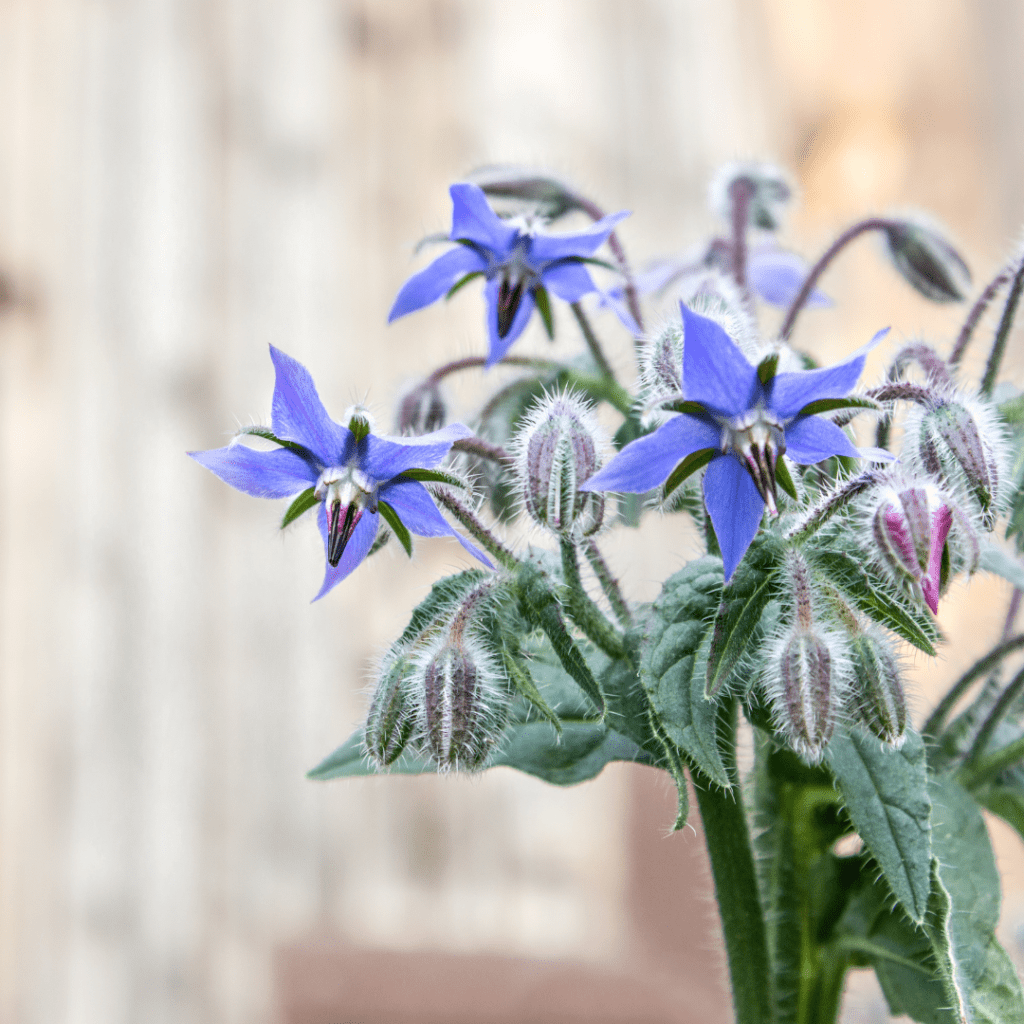
Borage is also easy to grow, and it thrives in both sunny and shady areas. In addition, bees are attracted to the flowers, making borage an excellent plant to grow if you are interested in supporting local wildlife. Whether you use it in the kitchen or the garden, borage is a versatile herb that is well worth growing.
Chervil
Chervil is a delicate, annual herb that is often used to flavor soups, salads, and eggs. It has a mildly grassy flavor with hints of anise and parsley, and its leaves can be used fresh or dried. While chervil is readily available at most supermarkets, there is nothing quite like the taste of freshly picked chervil.
If you have even a small amount of space in your garden, it is well worth taking the time to grow your own. Not only will you be able to enjoy the freshest possible chervil, but you will also have the satisfaction of knowing that you grew it yourself.
Chervil is relatively easy to grow, and it does not require much care or attention. Simply sow the seeds in early spring and thin out the seedlings once they have germinated. You can then start harvesting the leaves as soon as they are big enough to use. With a little effort, you can enjoy freshly picked chervil all summer long.
Chives
Chives are one of the easiest herbs to grow, and they offer a variety of benefits for both novice and experienced gardeners. For starters, chives are relatively low maintenance, and they can be grown in both small pots and larger gardens.
Additionally, chives are a great source of nutrients, including vitamins A and C, as well as iron and calcium. They also have a milder flavor than other onions, making them a versatile ingredient for a variety of recipes. Finally, chives can add both beauty and function to your garden, serving as both an ornamental plant and a natural pest repellent.
Cilantro (coriander)
Home-grown herbs always taste better than store-bought, and there’s nothing quite like the taste of freshly picked coriander. But why stop there? Coriander is easy to grow, and it has a host of benefits that make it well worth the effort.
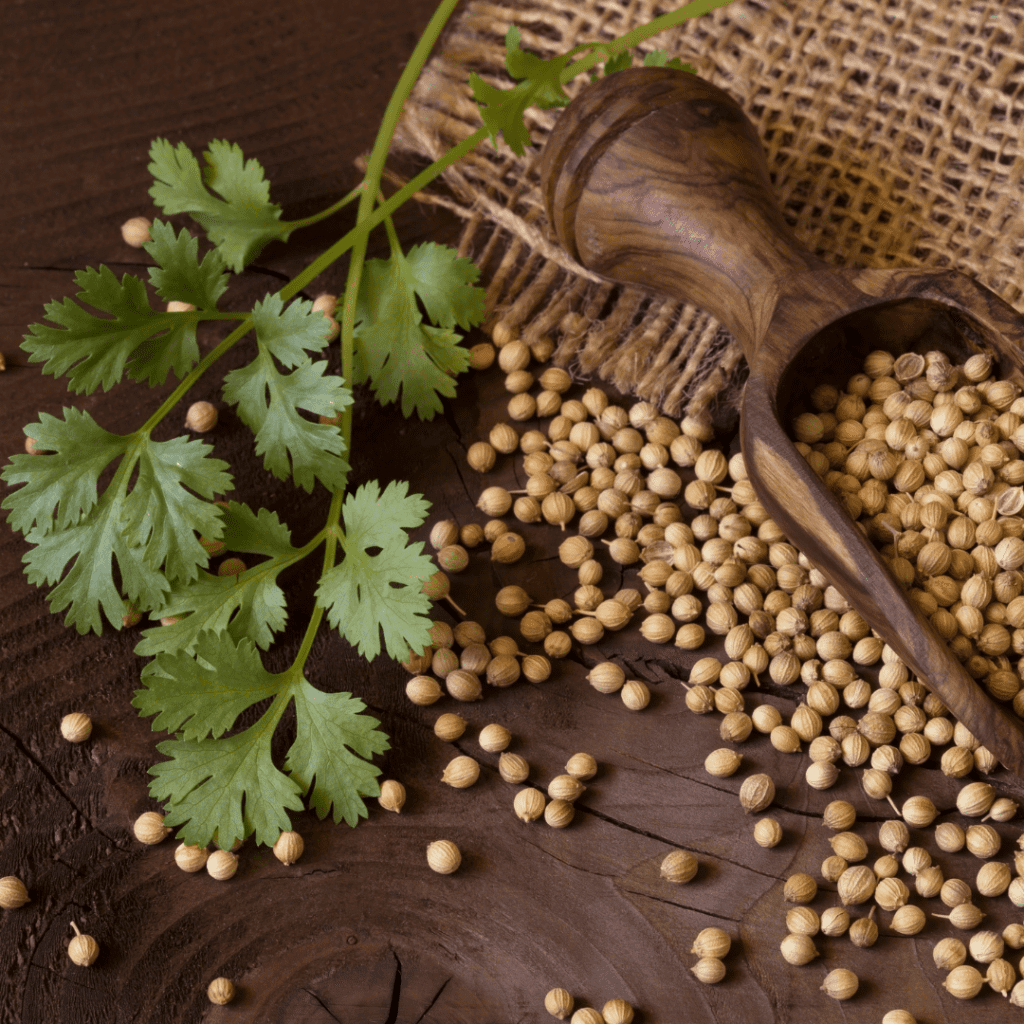
For starters, it’s an excellent source of vitamins and minerals, including magnesium, iron, and manganese. It also contains antioxidants that can help to protect cells from damage. In addition, coriander is known for its anti-inflammatory properties, making it a great choice for those with digestive issues. Best of all, it’s incredibly versatile in the kitchen – use it in curries, salads, soups, or simply sprinkle it over cooked dishes for a burst of flavor.
Dill
Dill is a versatile herb that can be used in a variety of dishes, from soups and stews to salads and sides. It has a delicate, yet distinctive flavor that complements many other ingredients. And, best of all, it’s easy to grow your own dill at home. All you need is a sunny spot in your garden and some well-drained soil.
Dill is a fast-growing herb, so you’ll be able to harvest your crop in just a few weeks. Plus, growing your own herbs is a great way to add freshness and flavor to your cooking.
Fennel
Fennel is a versatile herb that can be used in a variety of dishes, from soups and stews to salads and baked goods. Fennel has a mild, licorice-like flavor that pairs well with other ingredients, making it a popular ingredient in both sweet and savory dishes.
In addition to its culinary uses, fennel is also known for its health benefits. Fennel has been shown to aid in digestion, lower cholesterol levels, and even reduce the risk of some types of cancer. For these reasons, many gardeners choose to grow their own fennel.
Growing fennel is relatively easy, and the plant is relatively low-maintenance. Fennel can be grown in most climates and does best in full sun. Fennel plants can reach up to four feet tall and produce yellowish-green flowers that attract bees and other pollinators. Fennel is typically harvested in the fall, after the plant has flowered. Once harvested, fennel can be used fresh or dried for later use.
French Tarragon
French Tarragon (Artemisia dracunculus) is an aromatic herb that is native to Eurasia. It is widely used in French cuisine, and its flavor has been described as being similar to anise, fennel, and licorice.
French Tarragon is a hardy plant that can be grown in most climates, and it is relatively easy to care for. Once established, it will produce leaves for several years without needing to be replanted. When grown indoors, French Tarragon should be kept in a sunny spot and given plenty of water. It is also important to fertilize the plant regularly to ensure that it remains healthy.
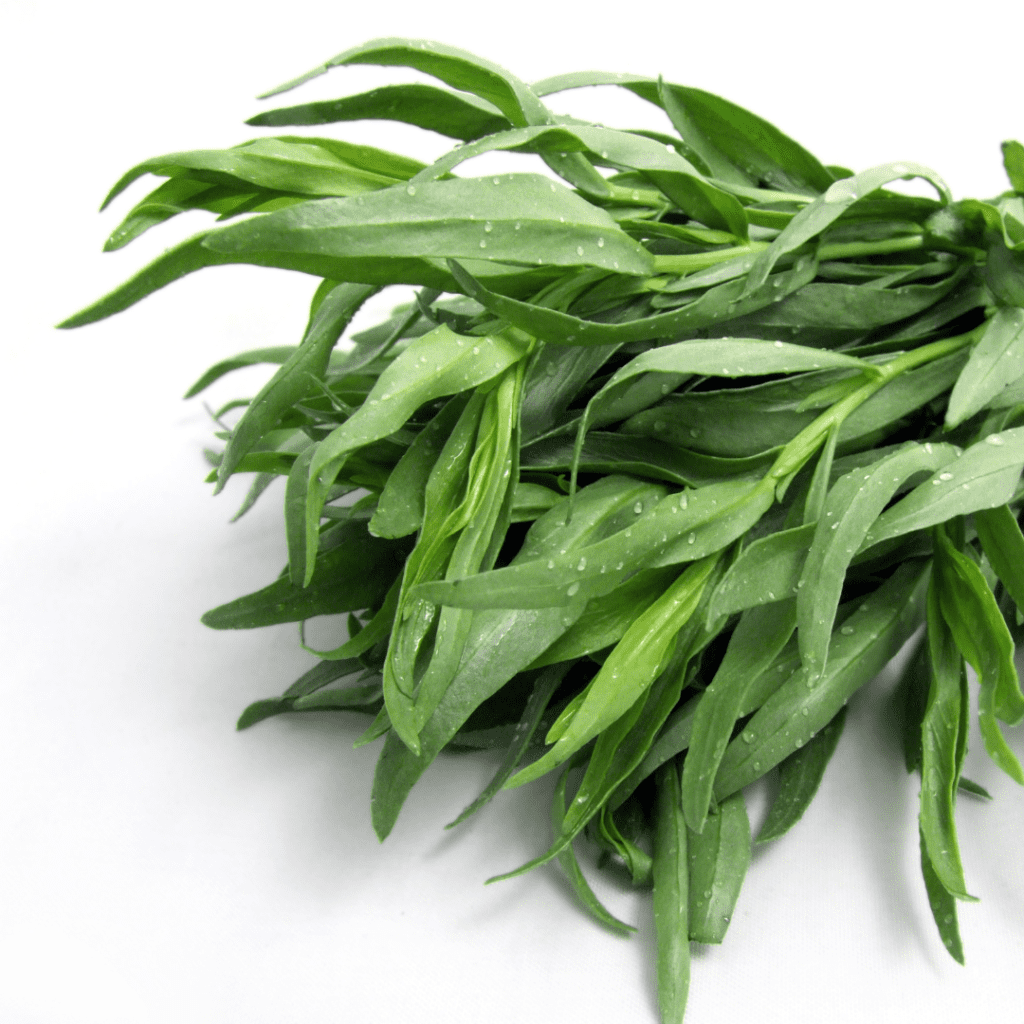
For those who enjoy cooking with fresh herbs, French Tarragon is a great option for the kitchen garden. Not only does it add flavor to dishes, but it also has a number of benefits for your health. French Tarragon can help to improve digestion, relieve flatulence, and reduce bloating. It can also be used as a soothing laxative and has anti-inflammatory properties. When used externally, French Tarragon can help to heal wounds and soothe insect bites.
German Chamomile
Chamomile (Matricaria chamomilla) is best known as a relaxant, and for good reason. Chamomile tea has been used for centuries to help with everything from insomnia to anxiety. Chamomile is thought to act on the same receptors as medications like benzodiazepines, without the risk of addiction or other side effects. In addition to its calming effects, chamomile is also a gentle digestive aid and can be used topically to treat skin conditions like eczema.
German chamomile (Matricaria recutita) is especially easy to grow, and can be started from seed indoors or out. Once established, it will self-seed readily, making it an easy plant to keep around. When grown for tea, chamomile should be harvested just before the flowers open. Rinse the flowers and dry them in a dark, ventilated place. Once dry, store in an airtight container until ready to use. To make tea, steep 1-2 teaspoons of dried chamomile in 8 ounces of hot water for 5-10 minutes. Add honey to taste and drink up!
Lavender
Lavender is a beautiful and versatile plant that has been used for centuries in cooking, perfume, and medicine. Today, it remains a popular choice for both home gardens and commercial landscapes. There are many reasons to grow your own lavender.
For starters, it is relatively easy to care for and can tolerate a wide range of growing conditions. Lavender also has a long blooming season, making it a great addition to any garden. Additionally, the plant is known for its soothing scent and can be used in a variety of ways, from drying and crushing the leaves to make lavender sachets to distilled lavender oil. So whether you are looking for a low-maintenance plant for your garden or a fragrant addition to your home, consider growing your own lavender.
Learn more about growing lavender

Lemon Balm
Lemon balm (Melissa officinalis) is a delightful herb with a wide range of uses. It has a pleasing lemon aroma and flavor, making it a popular ingredient in teas, baked goods, and potpourris. Additionally, lemon balm has numerous health benefits. It can be used to soothe stomach upsets, relieve anxiety, and even help to improve sleep quality.
Best of all, lemon balm is easy to grow. It thrives in both sun and shade, and it doesn’t require much in the way of care or maintenance. With a little effort, you can enjoy the many benefits of this versatile herb all summer long.
Lemon Verbena
Lemon verbena is a refreshing addition to any kitchen garden. Not only does it have a unique flavor, but it is also easy to grow. As a perennial herb, lemon verbena will come back year after year with minimal care. It is also relatively drought-tolerant, making it a great choice for those who live in dry climates. In addition to its culinary uses, lemon verbena can also be used to make a delicious tea. The leaves can be fresh or dried, and they can be brewed on their own or combined with other herbs.
Lemongrass
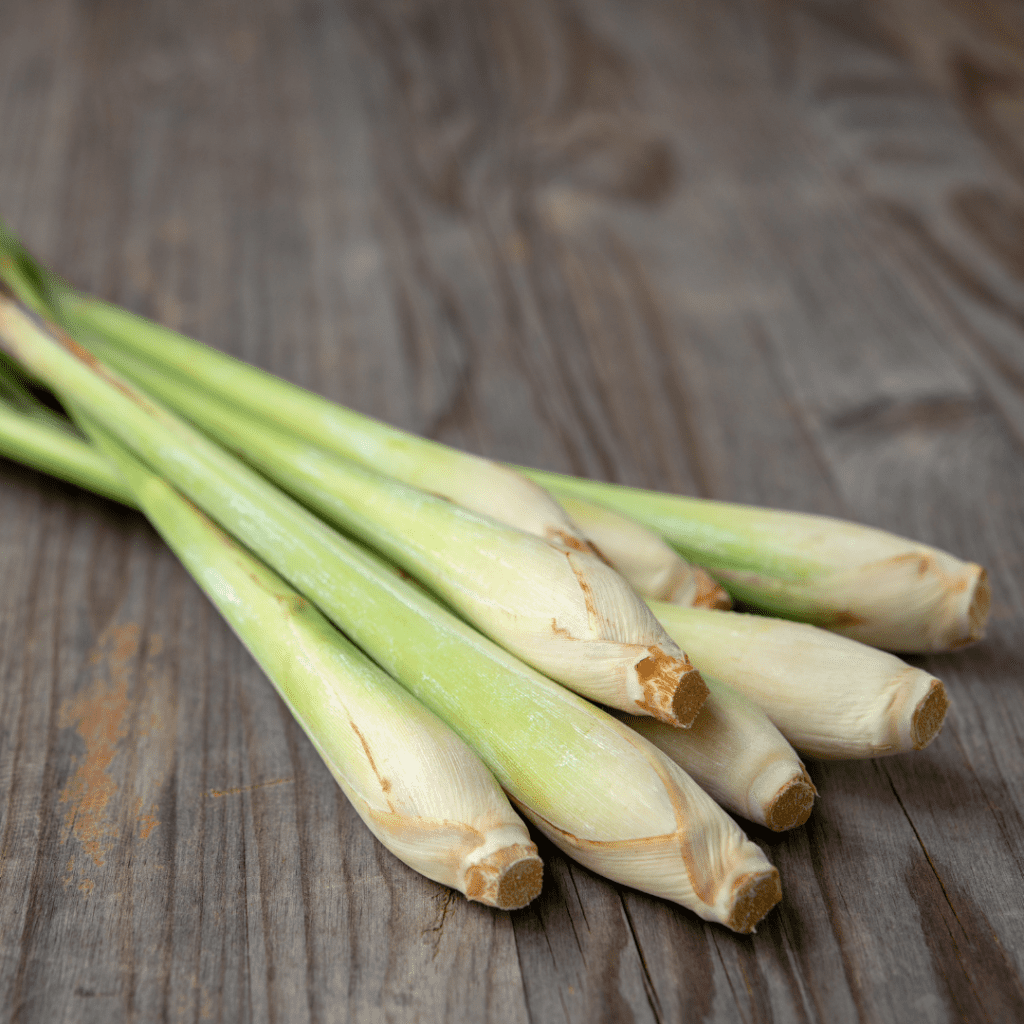
Lemongrass is a fragrant herb that is commonly used in Asian cuisine. It has a citrusy flavor that is perfect for adding a zing to soups, curries, and stir-fries. Lemongrass is also known for its therapeutic properties, and it is often used in aromatherapy and massage therapy.
Given all of these benefits, it’s no wonder that lemongrass is increasingly being cultivated in home gardens. Growing your own lemongrass is relatively easy, and it can be done in a pot or in the ground. The most important thing is to make sure that the plant gets plenty of sunshine and water. With a little care, you can enjoy fresh lemongrass all year round.
Marjoram
When it comes to herbs, Marjoram is often overshadowed by its more popular cousin, Oregano. But Marjoram is a versatile herb that deserves a place in any kitchen. It has a milder flavor than Oregano, making it great for delicate dishes like fish and chicken.
Marjoram is also a good source of vitamins A and C, as well as the minerals iron and calcium. And unlike some other herbs, Marjoram is easy to grow indoors. All you need is a pot, some potting soil, and a sunny spot.
Mint
Mint is a delicious and versatile herb that can be used in everything from teas and cocktails to salads and main dishes. Best of all, it’s easy to grow your own mint at home. All you need is a pot, some soil, and a little bit of water.
Mint grows quickly and doesn’t require much care, making it the perfect plant for even the most novice gardeners. Plus, home-grown mint is far fresher than store-bought mint, and it can be used immediately after harvest. So if you’re looking for a tasty and low-maintenance herb to add to your home garden, consider growing mint. You’ll be surprised at how much you’ll enjoy the fresh flavor of this versatile plant.
Learn more about growing mint

Oregano
Oregano is a popular herb that has a strong, pungent flavor. It is commonly used in Italian and Greek cuisine, and it can also be used to make teas and oils. Though oregano is widely available in stores, many people choose to grow their own. There are several reasons for this.
First of all, store-bought oregano can be expensive. Secondly, home-grown oregano is often more flavorful than the commercially grown variety. Finally, growing your own oregano is relatively easy, and it can be a fun and rewarding hobby.
If you’re thinking about growing your own oregano, there are a few things you should keep in mind. First of all, oregano likes full sun and well-drained soil. Secondly, it’s important to water oregano regularly; the soil should be moist but not soggy. Finally, don’t forget to harvest the oregano regularly; this will help to keep the plant healthy and productive. With a little care and attention, you can enjoy fresh, home-grown oregano for years to come.
Parsley
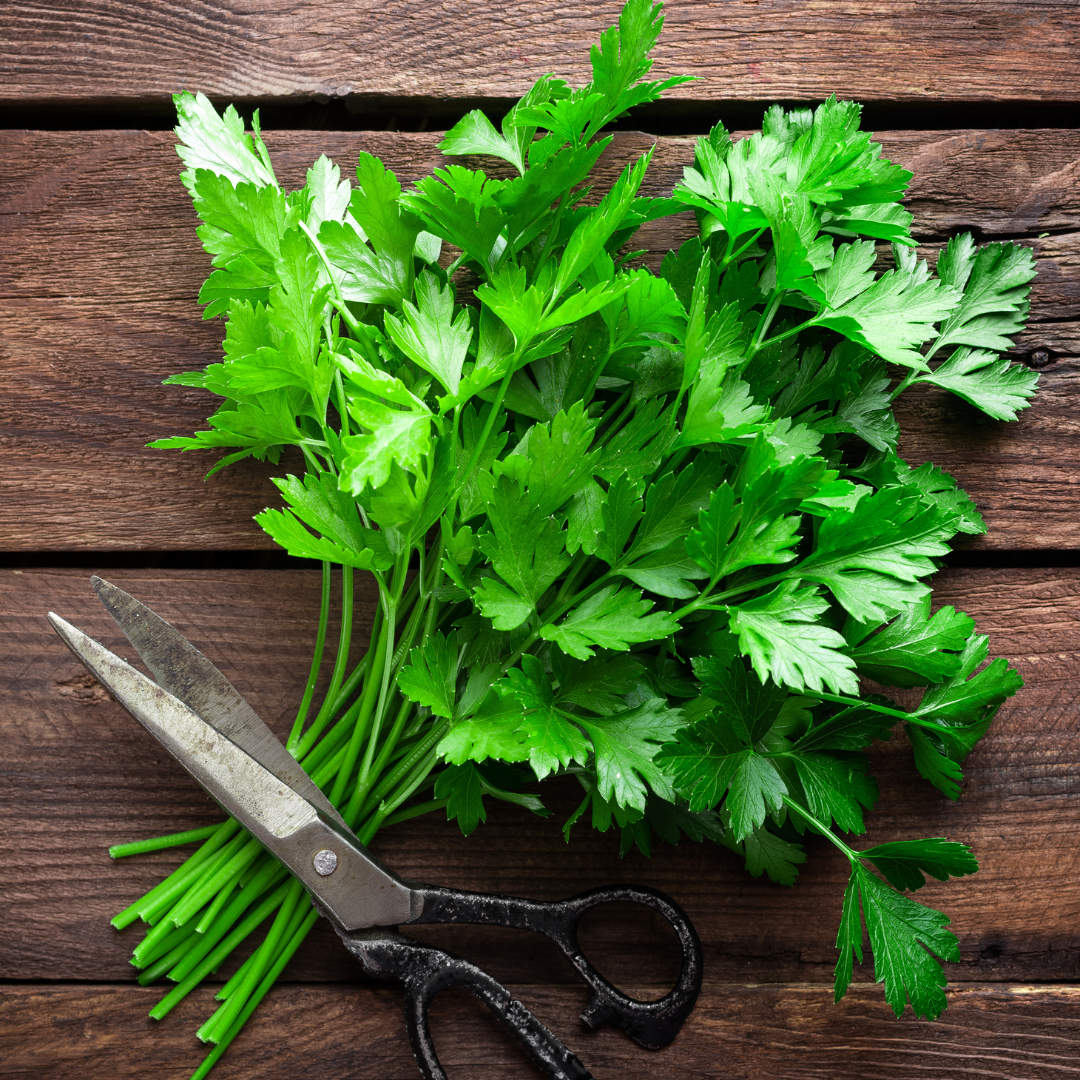
Parsley is a versatile herb that can be used in a wide variety of dishes, from salads and pasta to soups and stews. It has a fresh, slightly peppery flavor that complements many other ingredients. While parsley is widely available year-round at grocers, there is nothing like the taste of freshly picked herbs. Additionally, store-bought parsley can be expensive, while homegrown parsley is very economical.
And finally, growing your own parsley is easy! Parsley is a hardy plant that thrives in both sunny and shady locations. With just a little water and some basic care, you can enjoy fresh parsley all season long.
Learn more about growing parsley
Peppermint
Growing your own peppermint is a great way to enjoy the fresh flavor of this herb without having to go to the store every time you need it. Plus, it’s very easy to do!
Peppermint is a hardy plant that can tolerate a wide range of soil and moisture conditions, so you don’t have to be a master gardener to get it to grow. Simply find a spot in your yard (or even in a pot on your patio) that gets full sun or partial shade, and you’ll be well on your way to harvesting your own homegrown peppermint in no time.
In addition to being delicious, peppermint also has a number of health benefits. The menthol in peppermint oil can help to relieve digestive issues like nausea and stomach pain, and it can also be used as a natural decongestant.
Rosemary
Rosemary is a delicious herb that can be used in a variety of dishes, from roasted chicken to grilled vegetables. It also has a number of health benefits, including improved digestion and reduced inflammation. For these reasons, many people choose to grow their own rosemary plants.
Rosemary is relatively easy to grow, and it can be done in a small space such as a windowsill or balcony. The plant does best in well-drained soil and full sun, and it should be watered regularly. Once the plant is established, it will need little maintenance other than occasional pruning. Rosemary is also relatively disease-resistant, making it a low-maintenance option for the home gardener. And finally, growing your own rosemary gives you the opportunity to enjoy fresh herbs all year round.
Sage
Sage is one of those amazing herbs that can be used in so many different ways. It’s great for cooking, as it has a wonderful earthy flavor that goes well with poultry and pork. But sage is also used in many different forms of alternative medicine, such as aromatherapy and herbal teas. Sage is even said to have some anti-aging properties!
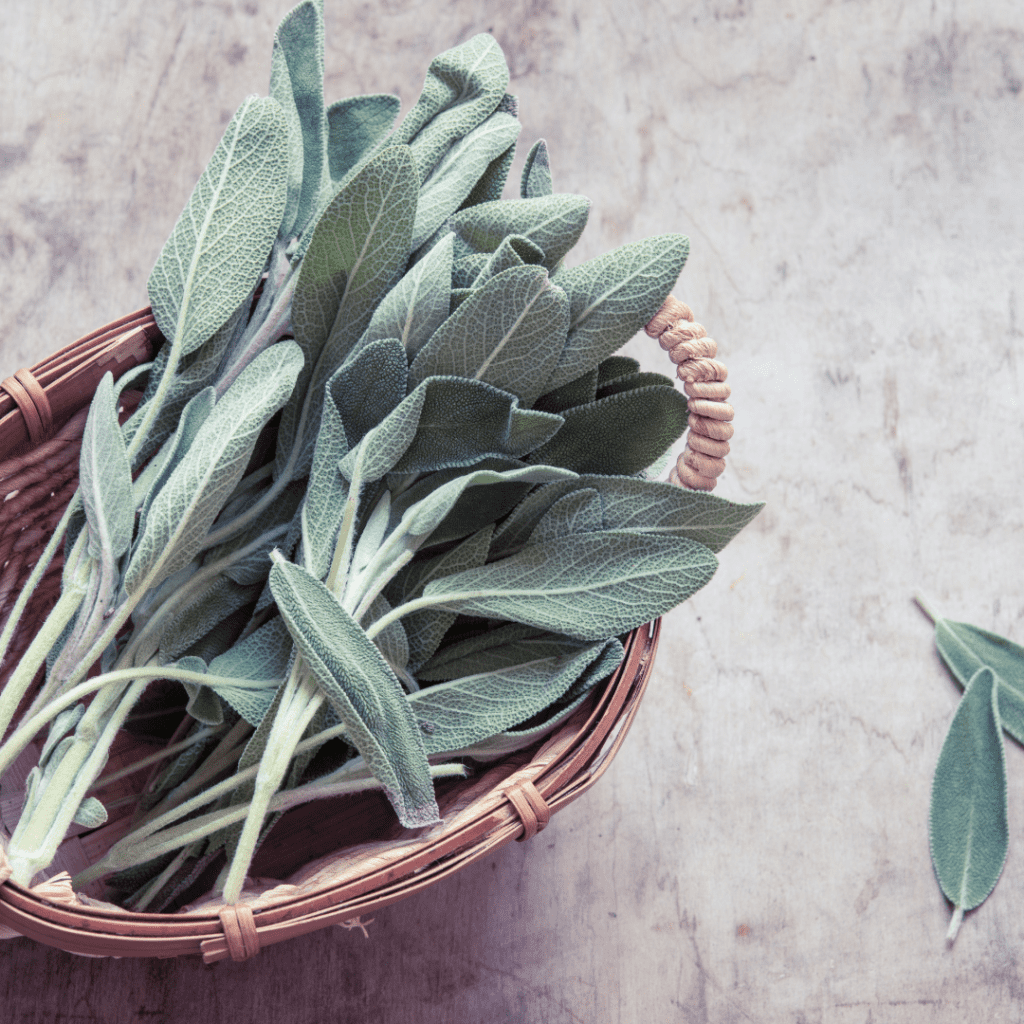
So why not grow your own sage? It’s relatively easy to do, and you can enjoy all the benefits of this amazing herb. Plus, growing your own sage gives you the opportunity to create your own unique blends of this versatile herb.
Sorrel
Sorrel is a perennial herb that is prized for its tangy flavor and nutritional value. Often used in soups and stews, sorrel can also be enjoyed in salads or as a cooked vegetable. High in vitamins A and C, sorrel is also a good source of iron and calcium.
While sorrel can be found in most supermarkets, it is also easy to grow at home. Sorrel prefers partial shade and moist, well-drained soil. Once established, it will produce fresh leaves throughout the growing season. For best results, harvest the leaves in the morning before the heat of the day sets in. With a little care, sorrel can provide an abundance of fresh, flavorful leaves for your kitchen all season long.
Thyme
Growing your own thyme is a great way to add fresh herbs to your cooking. Thyme is a versatile herb that can be used in a variety of dishes, from soups and stews to roasted vegetables. Unlike many other herbs, thyme can also stand up to prolonged cooking, making it an ideal ingredient for slow-cooked recipes.
In addition to its culinary uses, thyme also has a long history of medicinal use. It was once used as a treatment for digestive problems and respiratory infections, and it is still used today as an aromatic remedy for colds and coughs.
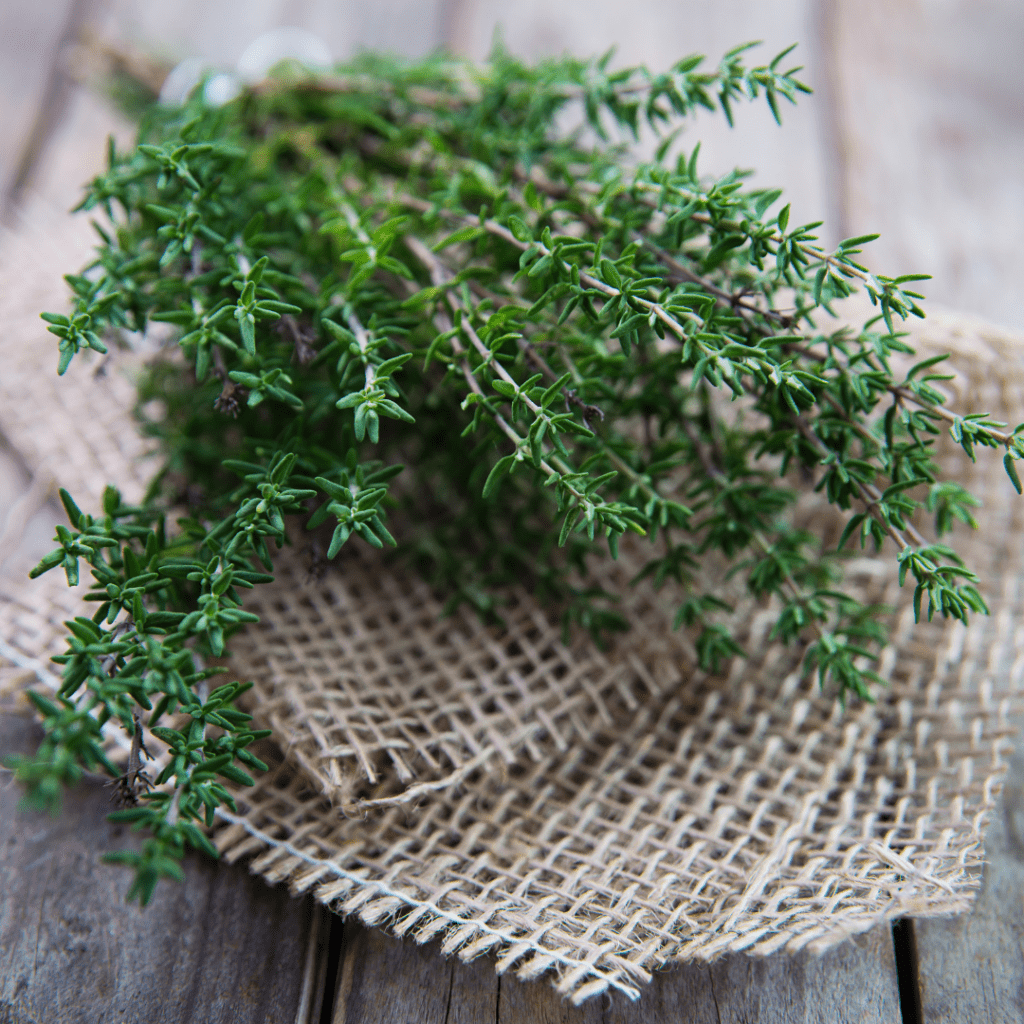
Best of all, growing thyme is easy and requires little care. Thyme is a hardy plant that thrives in both sunny and shady locations. It can be grown in pots or in the ground, and it only needs to be watered occasionally. With so many benefits, it’s no wonder that thyme is one of the most popular herbs to grow at home.
Winter Savoury
Winter Savoury is a herb that originates from the Mediterranean. It is a perennial plant, meaning it will come back year after year. Winter Savoury is most commonly used as a culinary herb, as it has a strong, peppery flavor that goes well with many dishes. It can be used fresh or dried, and is often added to soups, stews, and sauces.
In addition to its culinary uses, Winter Savoury also has a number of medicinal properties. It has been traditionally used to treat digestive problems, colds, and flu. Today, it is still sometimes used in herbal teas and tinctures for these purposes. Growing your own Winter Savoury is easy, and it is a great way to add this versatile herb to your kitchen pantry.