How to Grow Mint in Your Garden – A Complete Guide

I sometimes use affiliate links in content. This doesn’t cost you anything but I may make a commission payment from anything you buy through these links. As an Amazon Associate I earn from qualifying purchases. All opinions remain my own.
One of the most popular herbs in our kitchens is mint. But how do you grow it? And how can you harvest it for your recipes? We’ll share all the information you need to know about how to cultivate this perennial herb, including how to care for it, so that next time you’re cooking up a recipe with fresh mint leaves, you’ll be able to use them straight from the plant!
Types of Mint
Mint is one of the most popular herbs used in cooking. It comes in several varieties including chocolate mint. Other examples of types of mint include peppermint, apple mint and spearmint.
Mints can be used in a variety of ways in your garden. They are an ornamental plant, but they also have a variety of culinary uses. You can use them to add flavor to dishes or to make tea. Mint is also a good choice for gardeners who want to attract bees and other pollinators.
There are many types of mint plant that come in a range of appearances and flavors. They include:
Forged & Grown
Garden pieces, printed to order
3D printed planters and garden accessories, made in the UK. Self-watering designs, sculptural shapes, colour options — each one made when you order it.


- Mentha piperita: Peppermint is a soft, minty herb that can be found in USDA zones 3 to 11.
- Mentha × piperita f. citrata ‘Chocolate’: Chocolate Mint, a close cousin of peppermint, leaves have a minty-chocolate flavour and aroma.
- Mentha spicata: Spearmint is great for adding flavor and aroma to teas and salads, and it’s one of the best mints for use as a ground cover in the landscape. It thrives in USDA zones 5-9.
- Mentha piperita citrata: Orange mint is among the tangiest of the fruit-flavored mints. It thrives in areas 4 to 11.
- Mentha suaveolens: Apple mint combines the tastes of apple and mint. It thrives in zones 5 to 11.
- Mentha suaveolens variegata: Pineapple mint is a variegated variety of apple mint. It thrives in areas with an incredible summer heat tolerance, such as zone 6 to 11.
Is Mint a Perennial or Annual?
Mint plants are perennials. This means they come back year after year. They can be grown from seed, or you can divide the plants to expand your garden.
How to Plant Mint
Mint can be used to attract butterflies and birds to gardens. It also makes a good border around pathways and rock walls.
When to Plant Outdoors
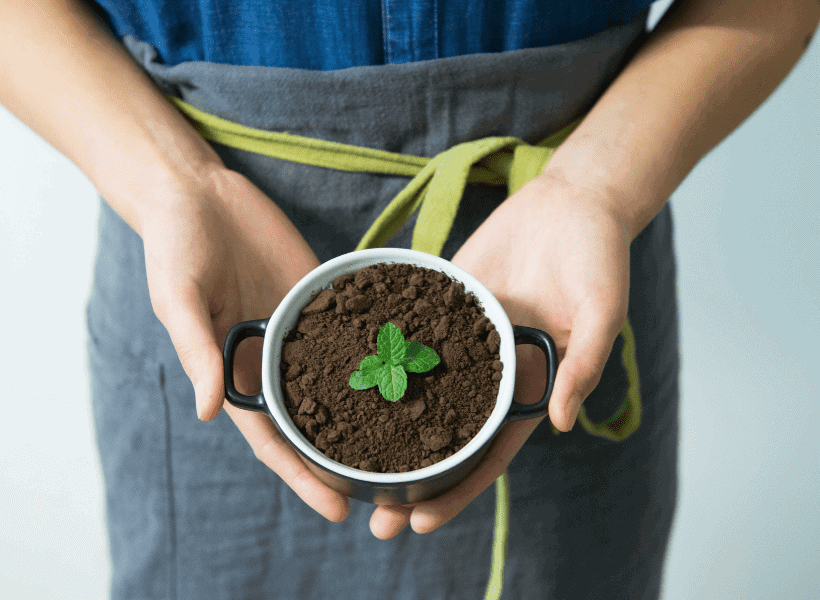
The best time to plant mint outdoors is in the spring. You can also plant it in the fall, but be sure to give it a good layer of mulch to protect it from cold weather.
When you’re planting mint, it’s important to remember that it will spread quickly. So, you’ll want to give it plenty of room to grow. Mint plants can be grown in containers, but they will need to be re-potted often to keep them from taking over the container.
Mint is a perennial herb, so it will come back year after year. You can start mint from seed, or you can divide existing plants. If you divide the plants, be sure to leave some behind so that the mint will continue to grow.
Spacing, Depth, and Support
Cut mint from your garden at least once every year. It is easy to propagate by simply cutting off pieces with scissors and planting them in soil.
Your main job will be to keep your mint plants from growing out of control. You can do this by using an edger to cut off the edges of your planting beds.
Light
Mint trees enjoy partial shade and will grow in full light if watered on a regular basis. They will, however, thrive in bright light if given enough water. It is still beneficial to shield them from strong afternoon sunshine.
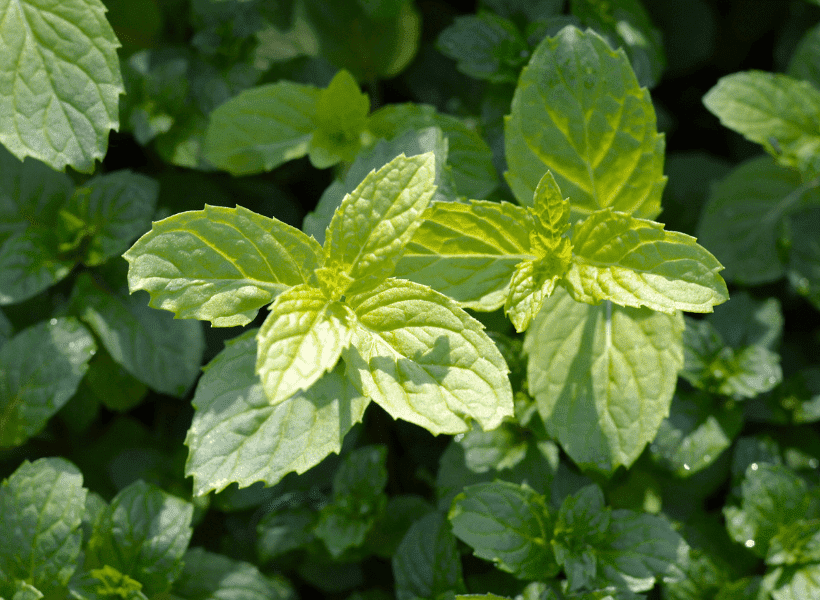
The herb is adaptable to a wide range of temperatures and soil conditions, requiring little care. It can grow in shaded areas and has been known to thrive in full shade (though it produces fewer leaves).
Soil, Planting, and Care for Growing Mint
When planted correctly, mint will thrive, producing leaves and flowers year after year. Mint is also easy to care for, requiring little maintenance. It grows well in pots, but if you plan to plant it outside, make sure your soil has good drainage.
Planting mint is easy! You just need to make sure that there’s enough water so that it doesn’t dry out. Don’t let the roots get too deep because you’ll want them to stay close to the surface where you can easily see them. And if you do decide to use plant food, be sure to add some aged compost along with it. This will help keep the soil healthy.
Mint grows best in rich loam soil. It needs lots of water and fertilizer. Use top quality plant food to feed your mint.
Water
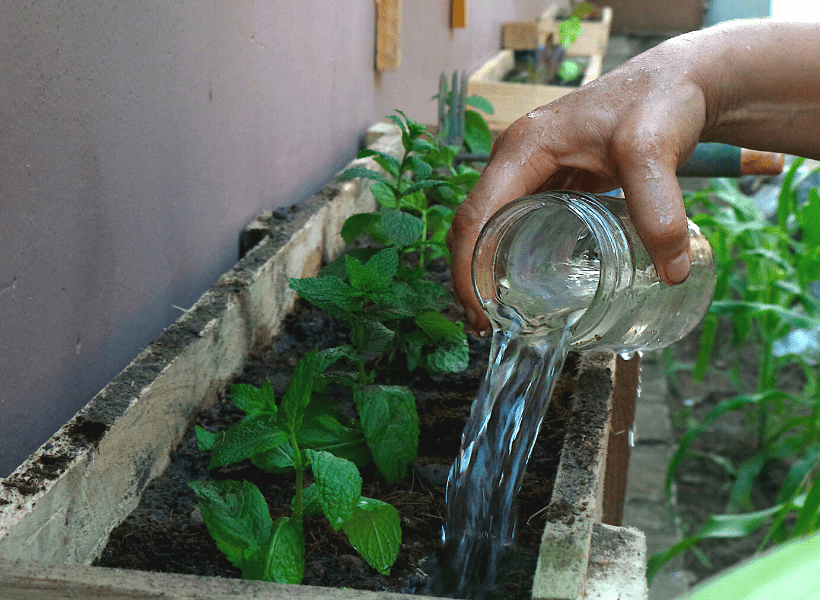
To keep the soil lightly moist, water your mint during droughts. Mint thrives when the earth is lightly moist but not soggy. If an inch or two below the ground feels dry, give your plant a drink.
If the leaves of your mint begin to wilt, it’s usually a sure indication that the soil is too dry. It’s ideal to water your mint in the morning so that it has adequate moisture later in the day when the heat of the sun sets in.
Do I need to fertilize mint? What do I use and how much?
Mint grows best if it has plenty of water and good nutrients. It should be watered well throughout the season. A time-release fertilizer helps plants get all their needed nutrients at once. Top-dressing with compost improves the soil.
Troubleshooting when Growing Mint
Mint can be grown indoors or outdoors. It does best if you give it lots of light. If you live in an area where there are many pests, try growing mint inside your home. You might also want to use insecticidal soap to keep away pesky insects.
When it comes to whiteflies, blackflies, spider mites, snails, and slugs in particular, mint is a tough plant that is vulnerable when first growing.
How to Harvest Mint
Harvest mint leaves at any size from early spring through summer. Cut plants back after flowering to encourage more vigorous growth.
Harvest mint leaves at any stage by clipping off stems. Wait until just before the plant blooms to collect a big crop; when the flavor is most intense, cut the entire plant just above the first or second set of leaves.
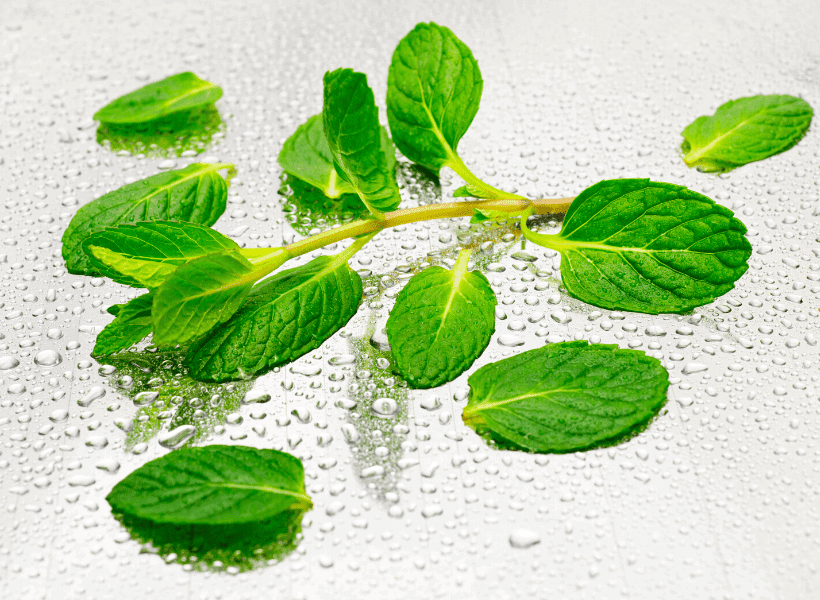
In the end, you’ll be able to see a significant difference in the fresh mint leaves. You can expect three such harvests per year with mint.
How to Use and Store Mint
Fresh mint is an excellent addition to many dishes. It’s especially good mixed with other herbs and spices.
Planting mint in pots can be helpful if you want to keep your mint alive through the cold months. Mint grows best in full sun and will tolerate light shade. Mint does well in moist soil and should receive regular watering during dry spells.
Can I plant mint in a pot?
Plant a container with one plant in it, which should be about 12 to 14 inches in diameter and can survive below-freezing winter conditions.

Choose a quality potting mix, and consider adding a water-retaining polymer at the rate recommended on the label. Keep the pot watered when the surface is dry, and enjoy cutting your mint.
Remember that cutting stimulates the plant’s development. In the winter, the plant will go dormant, but it will spring back in the spring. To prevent mint from escaping into your beds via the drainage holes in the container, make sure to set it on a paved surface or a pedestal.