
How to Grow Lavender in the UK: Complete Guide to Varieties, Pruning & Care

I sometimes use affiliate links in content. This doesn’t cost you anything but I may make a commission payment from anything you buy through these links. As an Amazon Associate I earn from qualifying purchases. All opinions remain my own.
Lavender is one of those plants that looks effortless in a well-tended garden and completely defeated in a neglected one — and the difference almost always comes down to a few critical decisions made early on. Choose the wrong variety for the British climate, plant it in the wrong soil, or make the classic UK mistake of pruning too hard too late in the season, and you’ll have a woody, half-dead shrub within two or three years. Get those things right, and you’ll have a plant that practically looks after itself, flowers reliably every summer, and fills your garden with one of the most recognisable scents in horticulture.
The good news is that growing lavender in the UK is genuinely achievable for any gardener, beginner or otherwise. We actually have some advantages: our long summer days suit lavender beautifully, and English lavender varieties have been bred over centuries to cope with exactly the kind of cool, unpredictable springs and mild winters we experience across most of Britain. This guide covers everything you need to know — from choosing the right variety for your region and soil type, to the pruning technique that keeps lavender productive for a decade or more.
How to Grow Lavender in the UK: The Essentials
If you want a quick overview before diving into the detail, here’s the core process for successfully growing lavender in a British garden.
- Choose a hardy variety suited to your region — English lavenders (Lavandula angustifolia) and their hybrids are the most reliable across the UK, including Scotland and northern England.
- Select the right site — full sun and excellent drainage are non-negotiable. Lavender will not tolerate waterlogged soil through a UK winter.
- Prepare the soil — if your soil is heavy clay, improve drainage with grit or grow in containers.
- Plant in spring — from late April onwards once frost risk has passed, spacing plants 30–90cm apart depending on variety.
- Water sparingly — water new plants in, then largely leave them alone. Overwatering is the most common cause of lavender death in UK gardens.
- Prune annually — once after flowering in late summer and a light trim in early spring. Never cut into old woody growth.
- Overwinter tender varieties under cover — French and Spanish lavenders need frost protection or a cool greenhouse through a British winter.
Choosing the Right Lavender for the UK Climate
Walk into any UK garden centre between April and August and you’ll find dozens of lavender varieties competing for your attention. Some will thrive for years in a British garden. Others — particularly the showier French and Spanish types — will look beautiful in the pot and struggle once planted out. Understanding the difference is the single most important decision you’ll make.
Forged & Grown
Garden pieces, printed to order
3D printed planters and garden accessories, made in the UK. Self-watering designs, sculptural shapes, colour options — each one made when you order it.


English Lavender: The UK Gardener’s Best Friend
English lavender (Lavandula angustifolia) is the hardiest group and the best choice for most UK gardens, particularly anywhere north of the Midlands. Despite the name, it originates from the Mediterranean, but it has been grown in British gardens for so long that certain cultivars have been bred specifically for our climate. It tolerates British winters well — including in Scotland and exposed northern gardens — as long as the soil drains freely.
The most widely grown and reliably hardy English lavender varieties for UK gardens include:
- Hidcote — arguably the most popular lavender in UK gardens. Compact at 30–40cm, deep violet-purple flowers, RHS Award of Garden Merit. Excellent for borders, low hedging, and containers.
- Munstead — slightly shorter and more open than Hidcote, with mid-purple flowers. A traditional cottage garden variety, also RHS AGM-awarded, and particularly well-suited to smaller gardens. Tends to flower a little earlier, usually from late June.
- Vera — a larger, more vigorous variety reaching 90cm, traditionally grown commercially in southern England for essential oil production. The best choice for a statement plant or substantial lavender hedge.
- Hidcote Pink / Loddon Pink — hardy, compact, and producing soft pink-lilac flowers for something different from the classic purple.
- Alba / Nana Alba — reliable white-flowering forms with the same cold hardiness as the purple varieties.
Lavandin Hybrids: Bigger, Later, Still Hardy
Lavandin (Lavandula × intermedia) is a naturally occurring hybrid between English lavender and spike lavender. These hybrids are larger and more vigorous than pure English lavender, typically flowering later in the season — usually July and August — which extends your garden’s lavender season nicely.
Grosso is one of the most widely planted lavandins in the UK and is commonly seen in the famous lavender fields of Norfolk and Kent. It produces long, dense flower spikes on tall stems, making it superb for cutting and drying. Edelweiss is a reliable white-flowering lavandin. Both are fully hardy across Britain.
French and Spanish Lavender: Handle With Care
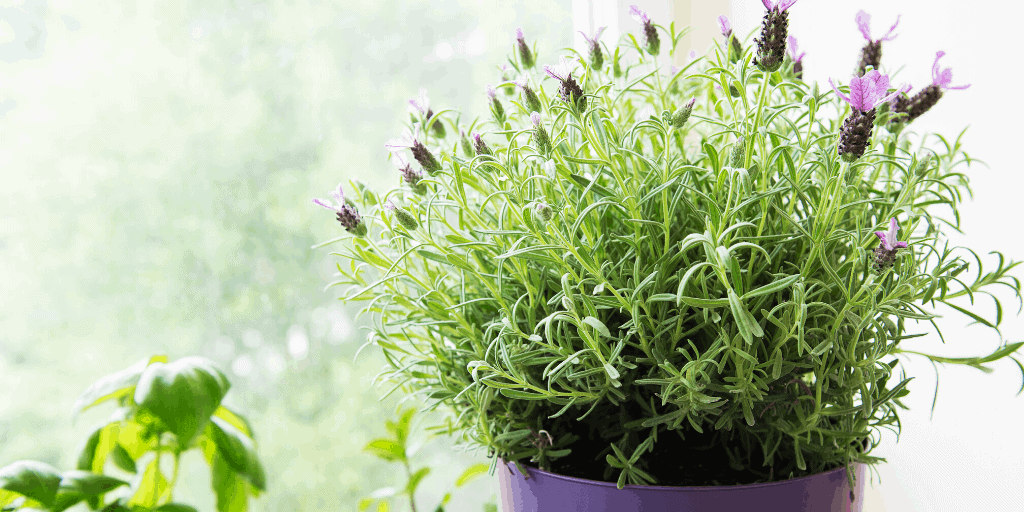
French lavender (Lavandula stoechas) is the dramatically beautiful one — those distinctive “rabbit ear” bracts above each flower head are unmistakable. It flowers from late spring, often from April or May, which is earlier than English varieties. The problem for UK gardeners is that it’s considerably less frost-hardy and has a notably shorter lifespan even in good conditions.
In the mildest parts of the UK — the Southwest, Channel Islands, coastal areas of Wales and the West of Scotland — French lavender can survive outdoors year-round in a sheltered spot with good drainage. Elsewhere, treat it as a container plant and move it under glass or into a frost-free garage for the winter. The RHS recommends Anouk, Madrid Blue, and Bandera Pink as some of the most reliable French lavender selections for British gardens.
Spanish lavender (Lavandula latifolia and related species) and the tender Canary Island varieties are best treated as conservatory or patio plants in most of the UK, brought indoors before the first frosts.
The Best Site and Soil for Lavender
Lavender evolved on the rocky hillsides of the western Mediterranean, and everything about how you grow it should reflect that origin. It wants heat, sun, and sharp drainage above all else.
Sun, Sun, and More Sun
Lavender needs a minimum of six hours of direct sunlight per day to flower well and maintain its compact habit. In the UK, this typically means a south- or south-west-facing aspect. Plants grown in partial shade will become leggy, produce fewer flowers, and be significantly more vulnerable to the root rots that our damp winters can bring. If your garden is shaded, lavender in containers gives you the flexibility to position plants in the sunniest spots.
Drainage Is Everything
If there’s one reason UK gardeners lose lavender, it’s wet soil through winter. Lavender roots sitting in cold, waterlogged ground from November to March will rot, and by the time you notice the plant is struggling in spring, it’s usually too late. Good drainage isn’t optional — it’s the foundation of everything else.
Sandy, chalky, and loam soils with good natural drainage are ideal. If you’re gardening on heavy clay — which covers much of the Midlands, the North, and parts of the Southeast — you have two good options. The first is to improve drainage significantly by incorporating horticultural grit or sharp sand at a ratio of roughly one part grit to two parts existing soil when planting. The second, and often the more reliable, is to grow lavender in raised beds or containers where you can control the growing medium entirely. Our guide to understanding soil types covers how to identify and improve your garden soil if you’re unsure what you’re working with.
Lavender prefers a slightly alkaline to neutral pH — roughly 6.5 to 7.5 — and is one of the few garden plants that actively benefits from poor, low-nutrient soil. Rich, heavily-fed soil produces lush, floppy growth that’s more susceptible to disease and far less aromatic than plants growing lean.

Lavender in Pots and Containers
Container growing is an excellent option for UK gardeners, particularly those with heavy soil, smaller gardens, or who want to grow French lavender and bring it under cover in winter. Use a terracotta or ceramic pot — lavender does better in porous materials than plastic, which can hold moisture — and make sure the container has drainage holes.
Fill with a mix of 60% good quality multipurpose compost and 40% horticultural grit or perlite. Avoid peat-free composts that retain significant moisture; these can stay too wet through winter. Plants in containers will dry out more quickly in summer and need slightly more frequent watering than ground-grown lavender, but they’re much easier to manage through a cold, wet British winter.
How and When to Plant Lavender in the UK
Planting From Young Plants
The most reliable way to establish lavender in a UK garden is from young plants bought from a reputable nursery or garden centre. Aim to plant in late April through to early June, once the risk of hard frost has passed. Avoid planting in autumn if possible — while spring-planted lavender has the whole growing season to establish before its first winter, autumn-planted lavender goes into cold, wet conditions with undeveloped roots and is considerably more vulnerable.
Dig a hole roughly twice the width of the root ball and to the same depth. If you’re planting on clay, incorporate a generous amount of horticultural grit around and beneath the root ball. Set the plant so the top of the root ball sits level with the surrounding soil surface — planting too deeply invites stem rot. Firm in gently and water thoroughly.
Spacing depends on variety. Compact forms like Hidcote and Munstead can be planted 30–45cm apart for a dense hedge effect, or 60cm apart if you want individual specimens. Larger varieties like Vera and the lavandins need 60–90cm. If planting a lavender hedge, closer spacing gives a tighter result but requires more plants and slightly more attentive annual pruning to prevent the hedge from becoming gappy in the middle.
Regional Timing Across the UK
The right planting window varies meaningfully across Britain — and getting this wrong by even a few weeks can leave new plants vulnerable to a late frost:
- Southern England and the Midlands — plant from mid-April with confidence
- North of England — wait until early May to be safe
- Scotland and exposed northern regions — late May is the safest window
- Best varieties for colder regions — Hidcote, Munstead, and Grosso are the most reliably successful choices north of the border
Growing Lavender from Seed
Growing lavender from seed is possible but requires patience — seeds are slow to germinate and seedlings take a full two years to reach flowering size. It’s also worth knowing that named cultivar seed (like Hidcote) often produces variable offspring, so if you want to replicate a specific variety, cuttings are a better route.
If you do want to try seeds, sow indoors in January or February at around 21°C. Use seed compost mixed with grit, sow thinly on the surface, and press gently into contact with the compost — lavender seeds need light to germinate. Germination can take anywhere from two to five weeks and is often uneven. Prick out seedlings when large enough to handle and grow on in a cool greenhouse or cold frame before hardening off and planting outside the following spring.
Taking Cuttings
Propagating lavender from cuttings is a far more satisfying and reliable method than seed, and it means your new plants will be genetically identical to the parent. Take semi-ripe cuttings in early to mid-summer — June and July are ideal — from non-flowering shoots. Cut a stem around 8–10cm long just below a leaf node, strip the lower leaves, and dip the base in hormone rooting powder or gel. Insert cuttings into small pots of gritty compost, four or five per pot, and keep in a warm, bright spot out of direct sun. Roots typically develop within four to six weeks.
Caring for Lavender Through the Seasons
Watering: Less Is More
Once established — which typically takes a full growing season — lavender is remarkably drought-tolerant and requires very little supplemental watering. In the first year after planting, water new plants during prolonged dry spells, particularly if planted in summer. After that, established plants in the ground rarely need watering at all during a typical British summer.
Container plants need more attention. Water when the top 2–3cm of compost feels dry, then water thoroughly and allow the pot to drain freely before watering again. In winter, move containers under an overhang or cold porch to reduce the amount of rain they receive, and stop watering almost entirely from October through to March.
Feeding
Lavender grows best on lean soil and requires minimal feeding. If your soil is very poor, a light dressing of potassium-rich fertiliser in early spring can support flowering, but avoid high-nitrogen feeds which promote leafy growth at the expense of flowers. Container plants benefit from a half-strength liquid feed during the growing season — once a month from April through August is sufficient.
Pruning Lavender: The Most Important Skill
If there’s one area where UK gardeners most often go wrong with lavender, it’s pruning. Lavender that isn’t pruned regularly becomes woody and bare at the base, producing fewer and fewer flowers each year until it collapses entirely. But pruning at the wrong time or too severely can be equally damaging. The rules, once learned, are straightforward.
The main principle: always cut into green wood, never into old woody growth. Lavender cannot regenerate from brown, woody stems. If you cut below the leafy growth into the grey-brown woody base, that section will not sprout again, and the plant will become permanently gappy or die back.
The summer prune is the most important one. Once flowering is over — typically August for English lavender, later for lavandins — cut the spent flower stalks back, taking off roughly a third of the plant’s overall growth. This encourages the plant to produce new leafy growth before winter and maintains a tight, compact shape.
The spring tidy in late March or early April, once you can see new growth beginning, allows you to remove any frost-damaged or dead stems and tidy the shape. Keep this light — you’re just removing winter damage, not making a major cut.
Many UK gardeners also practice the “Chelsea chop” on lavandin varieties — a light trim in mid- to late May that delays flowering slightly, producing a longer-lasting display through July and August.
If you inherit an old, woody lavender that has been left unpruned for years, the honest answer is that it’s very difficult to rescue. You can try gradually cutting back over two or three seasons, but in most cases it’s more productive to take cuttings from any healthy growth and replace the plant. Our guide to types of pruning explores the broader principles behind cutting back and maintaining garden plants.
Lavender as a Wildlife Plant
Lavender deserves its reputation as one of the best plants you can grow for pollinators. Bees — particularly bumblebees and honeybees — are famously attracted to its flowers, and on a warm July day a well-established lavender plant or hedge can be buzzing with activity. Research from the University of Sussex has consistently highlighted English lavender as one of the top ten plants for attracting bees to UK gardens, and lavandins like Grosso score similarly well.
Butterflies and hoverflies are also regular visitors, making lavender a valuable addition to any wildlife-friendly planting scheme. If you’re thinking about how to make your garden more hospitable to pollinators more broadly, our complete guide to wildlife-friendly gardening covers the full range of plants and habitats that make the biggest difference.
Lavender in the Garden: Design and Companion Planting
Lavender is exceptionally versatile as a garden plant. Its silver-grey foliage and upright flower spikes pair beautifully with roses — the classic English cottage garden combination — and it works equally well in more contemporary schemes alongside ornamental grasses and drought-tolerant perennials.
Plants That Grow Well Alongside Lavender
Because lavender has very specific needs — full sun, free-draining soil, minimal water and nutrients — its best companions are plants that share those requirements. Good choices for a UK garden include:
- Echinacea, sedum, and achillea — all thrive in the same dry, sunny conditions
- Catmint (Nepeta) — a natural partner with complementary blue-purple flowers over a similarly long season, attracting the same pollinators
- Bearded iris — demands the same excellent drainage and looks beautiful alongside lavender in a hot, sunny border
- Drought-tolerant roses — the classic English cottage garden pairing, provided both plants have adequate space and air circulation
- Rosemary, thyme, and sage — natural allies in a Mediterranean herb border with near-identical growing requirements
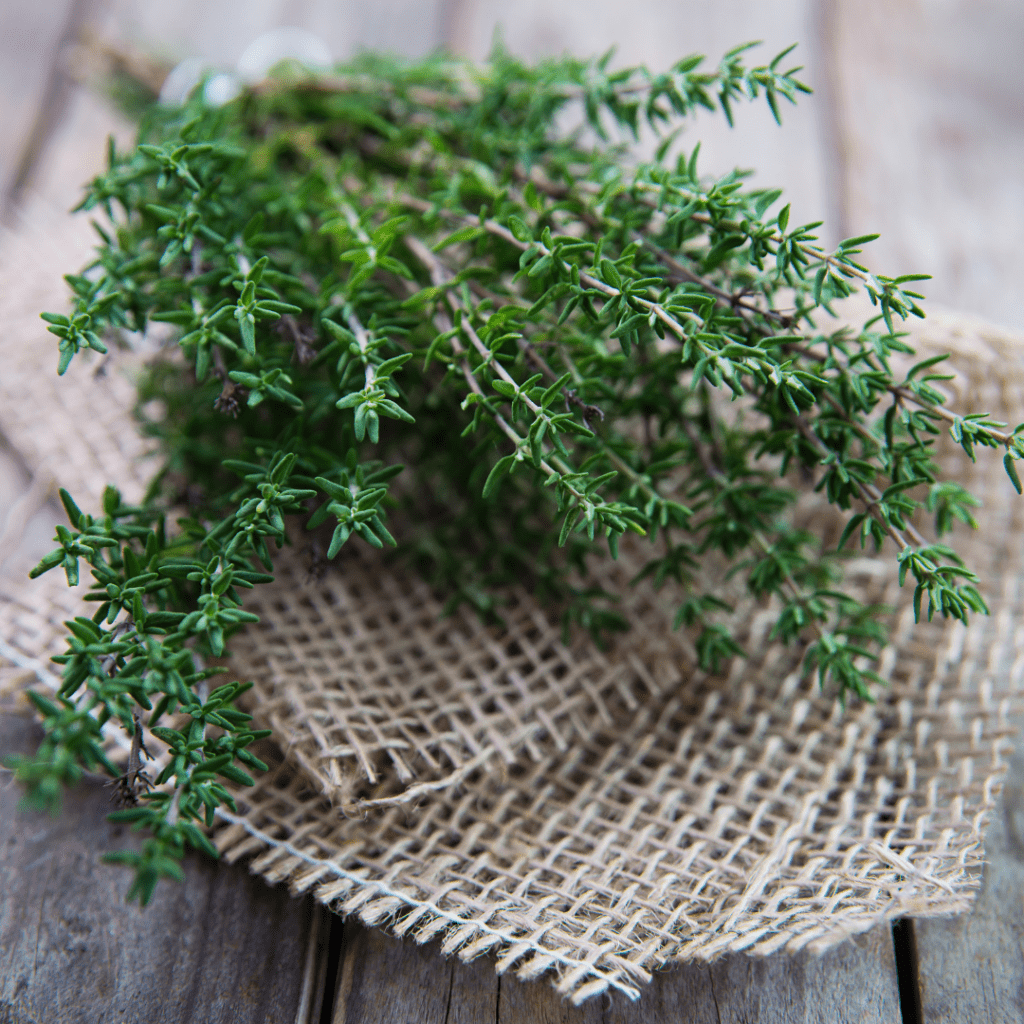
For more ideas on pairing plants in the kitchen garden, our companion planting guide explores the combinations that work best in a British growing context.
Lavender as Hedging
A low lavender hedge is one of the most attractive features in a traditional British garden, and it’s more achievable than many gardeners realise. Hidcote and Munstead are the standard choices for hedging because of their compact habit and reliable flowering. Plant at 30–40cm spacings for a tight, formal hedge effect and clip annually after flowering to maintain shape.
Common Problems When Growing Lavender in the UK
Lavender is largely trouble-free, but there are a handful of problems worth being aware of.
Root Rot and Waterlogging
The most common cause of lavender death in the UK is root rot caused by sitting in wet soil through winter. If your plant suddenly looks grey and lifeless in spring when others are showing new growth, suspect root rot. Unfortunately, by the time symptoms are visible, the roots are usually beyond saving. Prevention — through good drainage at planting time — is the only reliable answer.
Frosted or Leggy Plants Not Recovering in Spring
Don’t be too hasty to give up on lavender that looks dead in early spring. New growth can emerge from the base of the plant surprisingly late — sometimes not until April or May in a cold year. Scratch the stems with your thumbnail; if there’s green underneath, the plant is still alive. Wait until you see definitive new growth before making any decisions about whether to remove it.
Woodiness and Bare Stems at the Base
This is a sign of insufficient or incorrect pruning over several years. Once lavender has gone bare and woody at the base, regeneration is very difficult. As noted above, prevention through annual pruning is far more effective than trying to rescue an old plant. If you’re committed to saving it, try cutting back incrementally over two seasons, always staying above any visible green growth.
Rosemary Beetle
The rosemary beetle (Chrysolina americana) — despite its name — feeds on lavender, thyme, and sage as well as rosemary. The small, metallic green-and-purple striped beetles and their larvae can strip leaves and flower buds in summer and autumn. The RHS recommends picking them off by hand where possible, as chemical treatments can harm the pollinators that make lavender so valuable in the garden. Numbers are rarely high enough to cause serious long-term damage to a healthy plant.
Sage Leafhopper
The sage and Ligurian leafhopper (Eupteryx melissae and related species) feeds on lavender leaves, causing a pale, mottled appearance. Again, healthy plants usually tolerate low-level infestations without significant harm. Improve air circulation around plants and avoid overfeeding with nitrogen, which produces the soft growth leafhoppers prefer.
Yellow Leaves
Yellowing leaves on lavender almost always indicate excess moisture — either overwatering, poor drainage, or both. Check whether the soil around the plant is staying wet for extended periods, and act accordingly by improving drainage or reducing watering.
Harvesting Lavender Flowers
The best time to harvest lavender for use in the home is just as the flowers begin to open on the lower portion of the spike, while the upper buds are still closed. At this stage the essential oils are at their most concentrated, and the flower heads will hold their colour and fragrance well once dried.
Cut stems early in the morning after any dew has dried but before the heat of the day. Take each stem back to just above the foliage — don’t cut into woody growth. Bundle loosely in groups of ten or fifteen stems and hang upside down in a dry, airy spot out of direct sunlight for two to three weeks. Once fully dried, lavender stores well in airtight containers and retains its fragrance for many months.
For fresh use — in cooking, lavender tea, or for cutting — harvest at any point once flowers are open. English lavender varieties including Hidcote and Munstead have the best flavour for culinary use; lavandins contain camphor compounds that can make them taste medicinal. If you want to collect and store seeds from your own plants, our guide on how to harvest lavender seeds takes you through the full process.
Overwintering Lavender in the UK
Most English lavender and lavandin varieties are fully hardy across the UK and need no special winter protection beyond what a free-draining site provides. In exposed gardens in Scotland or northern England, a light mulch of horticultural grit around the base of the plant in late October can help insulate roots without retaining moisture.
French and Spanish lavenders are a different matter. In the mildest parts of the UK — coastal areas of Cornwall, Devon, the Channel Islands, and sheltered spots in Wales — they may survive in the ground with the protection of a cloche or fleece during cold snaps. Elsewhere, they’re best grown in containers that can be moved into a cool, frost-free greenhouse, conservatory, or unheated garage from October through to April. They need light during this period but very little water — just enough to prevent the compost from drying out completely.
Lavender FAQs
When is the best time to plant lavender in the UK? Late April to early June is ideal for most of the UK. This gives plants the full growing season to establish roots before their first winter. In Scotland and colder northern areas, aim for mid-May to be safe.
Why has my lavender gone woody and stopped flowering? Woodiness is caused by insufficient annual pruning. Lavender must be cut back by around a third after flowering each year to maintain productive growth. Once the plant is predominantly woody with bare stems at the base, it’s very difficult to recover and replacement is usually the most practical option.
Can I grow lavender in a shaded garden? Lavender needs a minimum of six hours of direct sun to perform well. In part shade it will survive but will be leggy, flower sparsely, and be more susceptible to disease. If you have a shaded garden, consider growing lavender in containers that you can position in the sunniest available spot.
Does lavender come back every year in the UK? English lavender and lavandin varieties are fully hardy perennials and will return year after year in a well-drained site. French lavender is not reliably hardy in most of the UK and may not survive a cold winter unless given protection.
How long does lavender live? A well-cared-for English lavender plant can live for ten to fifteen years. The key is annual pruning — plants that are pruned consistently from a young age maintain productive growth far longer than those that are neglected and then cut back hard.
Can I grow lavender indoors? Lavender can be grown on a sunny windowsill, preferably one that receives at least four hours of direct sun. South-facing windowsills are best. Indoor plants need very good drainage, minimal watering, and benefit from being taken outside during the summer months. They’re generally less long-lived than outdoor plants, but make a beautifully scented addition to a bright kitchen or conservatory. Our guide to herbs for kitchen window gardens covers the best options for growing herbs in a limited indoor space.
Is lavender a herb? Yes — lavender is a herb, although it’s more often thought of purely as an ornamental plant. The flowers are used in teas, baking, herbal remedies, and essential oil production. Culinarily, English lavender varieties have the best flavour; the camphor notes in lavandins make them less suitable for food use.
Bringing It All Together
Lavender is one of the most rewarding plants you can grow in a British garden — not just for its unmistakable scent and summer colour, but for what it contributes to a wider ecosystem. It asks very little once established: sun, drainage, and an annual prune. Get those fundamentals right, choose a variety suited to your climate and soil, and lavender will repay you for a decade or more.
The biggest mistake most UK gardeners make is treating lavender like a typical cottage garden plant that benefits from rich soil and regular watering. Unlearn that instinct, give it conditions that feel almost harsh by normal garden standards, and you’ll have a plant that genuinely looks after itself.
Whether you’re planting your first lavender hedge, rehabilitating an old woodened plant, or working out which varieties to try, the principles here should give you everything you need to get started with confidence.
Continue Your Journey
Companion Planting UK: The Complete Guide to What to Plant Together — Explore the best plant partnerships for a productive UK garden, including how lavender fits into a mixed herb and flower border.
Beginner’s Tips for Planning a Herb Garden — If you’re thinking about where lavender fits in a broader herb garden, this guide covers the planning process from scratch.
How to Harvest Lavender Seeds — A step-by-step guide to collecting and storing lavender seeds at the end of the season.
Wildlife-Friendly Gardening in 2026: The UK Trends Every Gardener Needs to Know — Lavender is one of the best pollinator plants you can grow — find out what else belongs in a truly wildlife-friendly UK garden.
Understanding Soil Types — If you’re not sure whether your soil drains well enough for lavender, this guide helps you identify your soil type and improve it.
Do you grow lavender in your UK garden? I’d love to know which varieties have worked best for you — and whether you’re a Hidcote person or a Munstead convert. Share your experiences in the comments below.
Want more UK growing guides, seasonal plant advice, and garden inspiration delivered directly to your inbox? Sign up for the Crafting Her Blooms newsletter and never miss a post.


