
Wildlife-Friendly Gardening in 2026: The UK Trends Every Gardener Needs to Know
I sometimes use affiliate links in content. This doesn’t cost you anything but I may make a commission payment from anything you buy through these links. As an Amazon Associate I earn from qualifying purchases. All opinions remain my own.
Something significant has shifted in British gardens. Wildlife-friendly gardening — once the preserve of dedicated conservationists with sprawling rural plots — has quietly become mainstream. In 2026, rewilding, relaxed lawns, and pollinator-first planting aren’t niche pursuits anymore; they’re simply how an increasing number of UK gardeners are choosing to garden. And honestly? It’s one of the most exciting developments this hobby has seen in decades.
Whether you’ve already started letting a corner of your garden go a little wild, or you’re still nurturing that pristine lawn you inherited with the house, this guide is for you. We’ll walk through the biggest wildlife gardening trends shaping UK gardens right now — from the death of the bowling-green lawn to the rise of climate-smart pollinator planting — and give you practical, honest advice about where to start.
Why 2026 Feels Like a Turning Point for UK Wildlife Gardens
The statistics behind this movement are genuinely sobering. UK species have declined by an average of 19% since 1970, and almost one in six species is now threatened with extinction. The UK has also lost around 96% of its species-rich meadows since the 1950s — an astonishing figure that puts the modest patch of unmown grass in your back garden into a completely different perspective.
But here’s the hopeful side of that story: UK gardeners are already responding. In 2024, among people who said they take at least one wildlife-friendly action in their garden, 90% plant or maintain pollinator-friendly plants, and 83% grow plants with berries or fruits for wildlife. A London study found that 82% of respondents engage in some form of wildlife gardening — making it a mainstream urban and suburban behaviour, not just a rural one.
Forged & Grown
Garden pieces, printed to order
3D printed planters and garden accessories, made in the UK. Self-watering designs, sculptural shapes, colour options — each one made when you order it.


The Shift From “Add More Eco Products” to “Need Less Over Time”
One of the most interesting evolutions in sustainable gardening thinking is the move away from buying your way to an eco-friendly garden. The trend in 2026 is towards genuinely resilient design: fewer inputs, tougher plants, and layouts that cope with the extremes of wet, heat, and drought that UK weather increasingly throws at us. This isn’t about spending more on peat-free compost and calling it done. It’s about building a garden that works with nature rather than against it — one that needs you less over time, not more.
If you’ve been following the eco-friendly garden ideas conversation, you’ll recognise this shift. The 2020s have moved us from awareness to action, and 2026 feels like the year that action becomes habit.
Rewilding: What It Actually Means for a Typical UK Garden
“Rewilding” is one of those words that can sound either thrilling or terrifying depending on your gardening personality. For some, it conjures images of wolves and beaver habitats; for others, it sounds like an excuse to stop weeding. Neither is quite right when applied to a typical British back garden.
In practice, garden rewilding means increasing biodiversity, reducing chemical inputs, and creating more habitats — all while accepting that your garden will look a little more lived-in than it used to. It doesn’t require you to rip everything out and start again. Simple starting points include:
- Leaving a pile of logs in a quiet corner for beetles and overwintering insects
- Allowing a patch of grass to grow longer between cuts
- Planting a native hedgerow or berry-bearing shrub instead of a close-board fence
- Stopping herbicide use and letting “weeds” like dandelion and clover flower
None of these things costs much, and all of them make a measurable difference to the wildlife your garden can support.
Building Habitat Layers
Wildlife organisations recommend thinking about your garden in layers: trees and large shrubs at the top, flowering perennials and shrubs in the middle, and ground-level plants, leaf litter, and uncut grass at the base. Each layer serves a different purpose and supports different wildlife. Larger plants — especially trees and substantial shrubs — are particularly valuable because they offer blossom, berries, seeds, cover, and nesting sites all in one structure.
If you’re growing a Japanese maple or a cherry tree, you’re already contributing more to your local wildlife than you might realise. These structural plants create canopy, shade, and seasonal food sources that no amount of supplementary bird feeders can fully replicate.
Even Small Spaces Count
One of the most important messages from wildlife gardening research is that every space contributes, no matter how small. Renters with a pot on a balcony, terraced house gardeners with a narrow strip of soil — all of you can make a difference. A single pot of nectar-rich flowers adds to the network of food sources pollinators are navigating across your neighbourhood. A small shrub provides structure and shelter. A mini “rough corner” in a container can house overwintering insects.
The goal isn’t a perfect wildlife sanctuary. It’s a garden that contributes meaningfully to a patchwork of habitats across the UK’s towns, villages, and cities.
The Lawn Revolution: From Bowling Green to Living Tapestry
Of all the wildlife gardening trends gathering momentum in 2026, the one with the most visible impact on British streets and neighbourhoods is the changing lawn. The perfectly clipped, weed-free, intensively managed lawn — so long the measure of a tidy garden — is losing its cultural hold, and ecology is winning.
The traditional high-input lawn supports relatively little wildlife compared to more diverse grass swards. All that feeding, mowing, and treating for moss creates a monoculture that looks green but functions more like a carpet than a habitat. The RHS and Wildlife Trusts have been making this case for years, and it’s finally landing.
You Don’t Have to Ditch Your Lawn Entirely
This is the nuance that matters: the trend isn’t towards eliminating lawns. It’s towards making them smaller and more interesting. Trend analysis for 2026 points to gardens where areas of slower-growing grass sit alongside planted beds — reducing how much mowing and watering the lawn requires while keeping enough open space for children to play and adults to sit.
If you’re keen to maintain a lawn but want to make it more wildlife-friendly, the guidance is refreshingly simple: mow less frequently, stop feeding, and stop spraying for “weeds.” Allowing clover, daisies, and self-heal to flower in your lawn immediately increases its value to bees and other insects — without you having to do anything extra at all. You’re doing less, not more.
The lawn moss control post covers the traditional approach to lawn management, but it’s worth considering whether some of that moss might actually be doing your garden more good than harm in a wilder context.
Mini-Meadows: The Step Beyond the Relaxed Lawn
For those ready to go further, a mini-meadow or wildflower patch is one of the most rewarding changes you can make to a UK garden. Meadows are genuinely low-maintenance once established — far less work than a traditional lawn over the long term — and the flowering season supports an extraordinary range of insects from spring through to autumn.
The RHS describes meadows as a “good, more natural alternative to a labour-intensive lawn,” and the Wildlife Trusts and RHS have run joint campaigns to encourage UK gardeners to experiment with new-look lawns for wildlife. Given that the UK has lost the vast majority of its species-rich grassland since the mid-twentieth century, even a few square metres of meadow planting in a suburban back garden becomes part of something genuinely meaningful.
Getting a meadow established does require some patience and the right plant choices for your soil type — understanding your soil type before choosing wildflower mixes will save you a lot of frustration in the early stages.
Pollinator Mixes: Choosing Plants That Actually Work
The phrase “pollinator-friendly planting” gets used so loosely that it’s almost lost meaning. In 2026, the conversation is getting more precise — and more useful. Not all plants marketed as bee-friendly genuinely deliver nectar and pollen that insects can access, and choosing well makes a real difference.
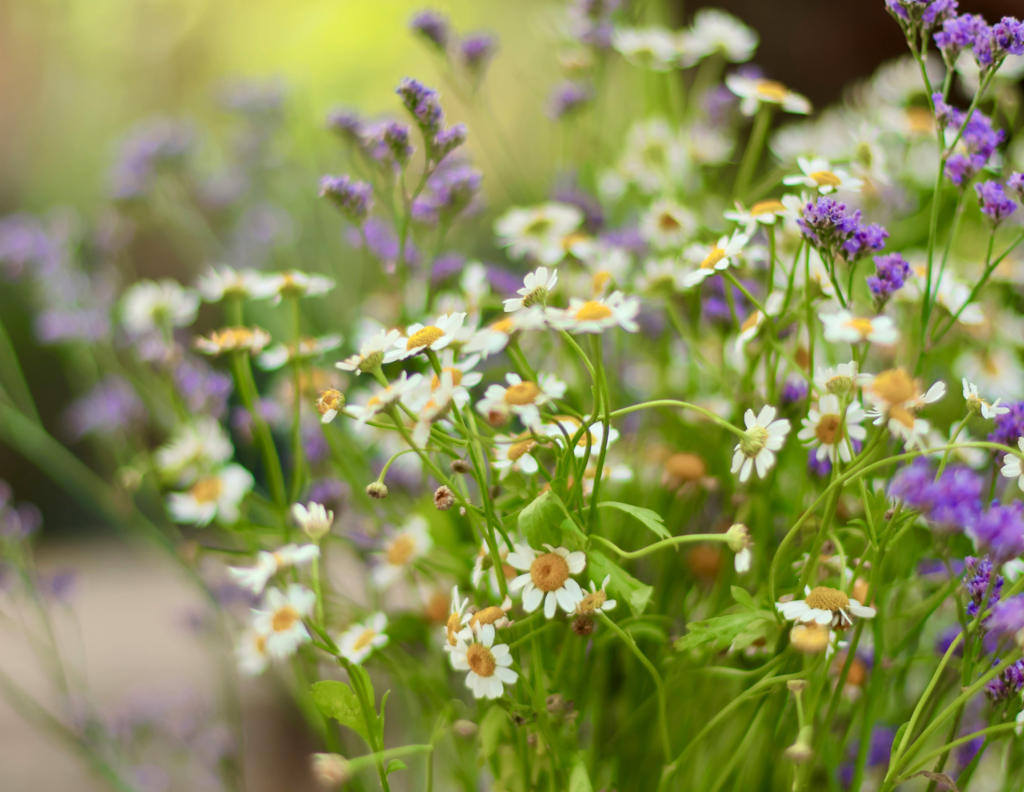
The core principle is simple: single, open flowers are almost always more valuable to pollinators than densely double or highly bred varieties. Many heavily cultivated plants with large, blowsy blooms have little or no accessible nectar or pollen — the very thing that makes them look spectacular to us makes them largely useless to insects. Instead, go for plant forms where you can see the centre clearly: bees need to be able to reach it.
Climate-Smart Choices for 2026
An important evolution in pollinator planting advice is the increasing emphasis on climate resilience. The perennials and shrubs recommended for 2026 UK gardens are chosen not just for their wildlife value but for their toughness — their ability to handle both the waterlogged winters and the increasingly warm, dry summers that British gardeners are navigating.
Mediterranean-style aromatic plants and tough perennials sit at the top of most recommendation lists for 2026. The best performers for UK pollinator gardens include:
- Lavender — exceptional for bees from June through August, thrives in free-draining soil
- Nepeta (catmint) — long flowering, drought-tolerant, loved by bumblebees
- Achillea (yarrow) — flat-headed flower clusters suit a huge range of insects, including small species
- Sedum (stonecrop) — critical late-season nectar source when little else is flowering, October into November
- Rosemary — early-flowering (February onwards), particularly valuable for queen bumblebees emerging from hibernation
- Ornamental grasses — less about nectar, more about structure, shelter, and seed heads for birds in winter
A garden built around these plants will look beautiful in June and July, support pollinators throughout the season, and need minimal intervention from you.
Plant This,
Not That
Simple swaps that make a real difference to the wildlife your UK garden supports — without sacrificing beauty.
Recommendations informed by RHS wildlife gardening guidance, RSPB planting advice, and Wildlife Trusts research. All plants perform well in typical UK growing conditions. For regional timing differences (Scotland vs. South England), see the flowering calendar above.
Growing lavender is an excellent starting point — it’s one of the most valuable plants you can grow for pollinators in a UK garden, it thrives in free-draining soil, and it looks spectacular from mid-June through August. Pair it with sedum for late-season interest and you’ve created a reliable pollinator corridor from midsummer through to early autumn.
Extending the Flowering Season
One of the most impactful things any UK gardener can do for pollinators is to think about flowering season rather than just individual plant choices. Wildlife organisations recommend combining early spring blossom, summer perennials, and late-season nectar sources alongside berry-bearing shrubs for autumn and winter food. This approach supports insects from the first warm days in March through to the final flights of autumn.
When Does It Flower?
A UK Pollinator Plant Calendar
Plan a garden that feeds pollinators from the first warm days of February through to November’s final flights.
← Scroll to see full calendar →
Flowering periods shown are approximate for average UK conditions. Timings vary by region — expect plants to flower 2–3 weeks later in Scotland and northern England than in southern England. Peak = brightest shade. Data informed by RHS guidance.
Crafting Her BloomsIn practice, this means including things like flowering herbs (chives are excellent in April and May and are deeply attractive to bees), summer perennials like achillea and echinacea, late-season sedums, and berry-bearing shrubs like hawthorn or guelder rose for autumn and winter food. If you’re already growing outdoor garden herbs, you’re contributing more to your local pollinators than you might realise — especially if you allow some of your herbs to flower rather than cutting them back constantly.
Plant This, Not That: A UK Gardener’s Guide to Better Choices
One of the most useful tools in the wildlife gardening conversation is the “plant this, not that” framework — not in a guilt-laden, “you’ve been doing it wrong” way, but as genuinely helpful guidance about where small changes make a big difference.
For Nectar and Pollen: Choose Open Flowers Over Doubles
Instead of filling borders with densely double bedding plants where bees can’t access the centre, choose single-flowered varieties. Lavender over ornamental alliums with tight, closed florets. Single dahlias over ball dahlias. Species geraniums over heavily bred pelargoniums. Open-centred umbellifers — fennel, angelica, cow parsley — are particularly valuable because their flower structure suits a huge range of insects including smaller species that can’t access larger flowers.
For Structure and Berries: Mixed Hedging Over Bare Fencing
Instead of a solid close-board fence or a clipped leylandii hedge, consider what a mixed native or near-native hedge could do for your garden. Hawthorn, blackthorn, guelder rose, and dog rose in combination offer blossom in spring, berries in autumn, dense cover for nesting birds throughout the year, and a genuinely beautiful, naturalistic structure. The RHS and RSPB both highlight mixed hedging as one of the single most effective wildlife actions available to UK gardeners with outdoor space.
Swapping bare clipped fencing for a mixed hedge that feeds birds with blossom and berries makes a measurable difference to the wildlife your garden can support — and over time, it requires less maintenance than either a timber fence (which needs staining and eventually replacing) or a formal evergreen hedge (which needs regular cutting).
For Lawns and Groundcover: Less Management, More Diversity
Instead of feeding, spraying, and mowing frequently, try reducing all three. Cut back gradually — go from weekly mowing to fortnightly, then to cutting only every three to four weeks during summer. Stop feeding the lawn entirely. Let clover establish naturally (or oversow with a white clover mix). The wildlife value of your lawn will increase substantially, and your time and money investment will decrease.
If you want to go further, replacing some or all of your lawn with a meadow mix, clover-rich turf, or flowering groundcovers like thyme or creeping Jenny gives you maximum wildlife value with minimum ongoing effort once established. Understanding companion planting principles can also help you think about groundcover combinations that work together ecologically rather than just aesthetically.
For Plant Sourcing: Seeds and Bare Root Over Potted Plants
This is one of the less-discussed dimensions of wildlife-friendly gardening, but it matters. Mass-produced potted plants often involve heated glasshouses, long-distance transport, plastic pots, and peat-based composts. Wildlife organisations suggest considering how plants are raised and recommend bare-root plants or seeds as alternatives — cutting packaging and peat use and often proving more cost-effective too.
Growing herbs and flowers from seed is a deeply rewarding practice that connects you more closely to the plants you’re cultivating. If you’re interested in starting your own seeds, the starting a vegetable garden guide covers the fundamentals, and the same principles apply to growing wildflowers and flowering perennials from scratch.
Regional Considerations: Wildlife Gardening Across the UK
One of the things that makes UK gardening genuinely fascinating is how much regional variation there is. Wildlife-friendly gardening advice that works perfectly in Surrey may need adjusting for a garden in Aberdeenshire or the Welsh borders — and understanding your local conditions makes all the difference. Here’s a quick regional breakdown:
- Scotland: Shorter season and harsher winters, but native plants like heather, rowan, and Scots pine are naturally adapted. Bilberry and other moorland species can be interesting garden choices for acidic soil, offering late pollen when little else is available.
- Wales, Northern Ireland, and southwest England: Wetter and more Atlantic in character. Moisture-tolerant natives like meadowsweet, hemp agrimony, and purple loosestrife are better suited here than drought-tolerant Mediterranean choices.
- Midlands and northern England: A useful middle ground — many RHS-recommended wildlife plants perform well, but timing is later than the south. Plan for spring arriving two to three weeks behind Southeast England.
- Urban gardens across England’s cities: Connectivity is often the biggest wildlife issue. Urban gardens act as stepping stones in a habitat network, allowing insects, birds, and small mammals to move between parks, allotments, and larger green spaces. Even a narrow terraced garden in Birmingham or Bristol plays a meaningful role if planted thoughtfully.
Find the Right Plants
for Your UK Garden
Select your region and growing conditions to get a tailored list of wildlife-friendly plants that will actually thrive where you are.
Your Wildlife Plant Recommendations
Based on your region and growing conditions.
The climate-friendly gardening principle of matching plants to your actual conditions — rather than fighting them — becomes especially important once you understand which regional category you fall into.
Making a Start: Practical Steps for UK Gardeners in 2026
The risk with any trend piece is leaving you inspired but unsure where to begin. So here’s an honest, practical framework for getting started with wildlife-friendly gardening regardless of where you are, what size garden you have, or how much time you can realistically commit.
What Kind of Wildlife Gardener Are You?
Five quick questions to find your starting point — and get a personalised plan for your UK garden.
Your personalised starting plan:
If You Have 30 Minutes
The easiest wins cost nothing and require no digging:
- Stop dead-heading every plant immediately after flowering — leave seed heads standing through autumn and winter to feed birds and provide overwintering habitat for insects
- Cut hollow-stemmed plants to around 30cm rather than to the ground, and leave them until spring
- Move a log pile or stack of pots to a quiet corner and leave it undisturbed
If You Have Half a Day
- Choose one border and swap any densely double annuals for single-flowered alternatives: lavender, herbs allowed to flower, or simple perennials like achillea and echinacea
- Add one or two native wildflowers suited to your soil type (see the soil types guide if you’re unsure)
- Leave a small gap at the base of your fence or gate to allow hedgehogs to move between gardens — they’re one of the best slug controllers available
If You’re Ready for a Bigger Project
Converting part of your lawn is the highest-impact change most UK gardeners can make. A mini-meadow can be established from a wildflower seed mix scattered in autumn or spring — autumn sowing is often more successful in the UK. Prepare the ground by reducing fertility first (meadow mixes struggle in rich soil) and sow into bare earth. The first year will be modest; by year two or three, the results are often spectacular.
On boundaries, even one native hedging plant — a single hawthorn, elder, or guelder rose — starts building something genuinely valuable. These plants provide blossom, berries, shelter, and nesting sites in a single structure, and they improve with age rather than deteriorating like a timber fence.
The Bigger Picture: Why Your Garden Matters More Than You Think
It’s easy to feel that individual garden choices are too small to make a meaningful difference to UK biodiversity. But the scale of private garden space in Britain is genuinely significant. There are estimated to be around 24 million gardens in the UK, collectively covering an area larger than all the country’s national nature reserves combined. The choices made across those gardens — collectively, incrementally — genuinely shape the landscape.
UK species populations have declined dramatically over the past half-century, driven by habitat loss, climate change, pesticide use, and the disappearance of food sources. UK gardeners cite these as their main concerns when surveyed about garden wildlife. The encouraging thing is that many of the solutions are already happening: nearly half of wildlife-minded households have installed bird feeders and nest boxes, around two-fifths plant native or wildlife-friendly plants, and growing numbers are leaving areas of their garden less managed.
The direction of travel in 2026 is towards doing more of what already works — turning the dial up, as one way of framing it. Not starting from scratch, not transforming overnight, but making steady improvements that compound over seasons and years into genuinely wildlife-rich spaces.
If you’re already composting, growing some of your own food, or thinking carefully about water use in your garden, you’re ahead of where most people were even a decade ago. Adding wildlife-friendly planting choices and a more relaxed approach to the lawn is the natural next step — and it’s one that makes gardening more interesting, more rewarding, and honestly, more beautiful too.
Conclusion: Wildlife Gardening Has Gone From Extra to Essential
The 2026 gardening landscape in the UK is one where wildlife-friendly choices have moved decisively into the mainstream. Rewilding-style approaches have deep roots and strong momentum. The old bowling-green lawn ideal is softening into something more ecologically interesting. And the pollinator planting conversation is getting smarter — more focused on genuinely useful plant choices, climate resilience, and season-long flowering than on marketing labels.
None of this requires you to abandon the things you love about gardening. The vegetables, the herbs, the carefully chosen flowers — all of these can coexist beautifully with a more wildlife-friendly approach. In fact, many of the changes discussed here will make your garden more productive, more resilient, and more joyful to spend time in.
The question isn’t really whether wildlife gardening is worth doing. The evidence on that is clear. The question is simply where you want to start.
Continue Your Journey
Looking to build your wildlife-friendly garden further? These posts are a great next step:
- Eco-Friendly Garden Ideas — a solid foundation for sustainable gardening choices
- Growing Lavender — one of the best pollinator plants for UK gardens, covered in full detail
- Start a Composting System — how to build soil health naturally without chemical inputs
- Understanding Soil Types — essential background before choosing wildflowers and perennials
- Climate-Friendly Gardening — the bigger picture of sustainable garden design
Have you already made wildlife-friendly changes in your UK garden? I’d love to hear what’s worked for you — whether it’s a mini-meadow that exceeded all expectations or simply leaving the seed heads up over winter. Share your experience in the comments below.


