
The English Gardener’s Guide to Growing Beets
I sometimes use affiliate links in content. This doesn’t cost you anything but I may make a commission payment from anything you buy through these links. As an Amazon Associate I earn from qualifying purchases. All opinions remain my own.
If you are looking for a way to add some colour and variety to your garden, consider growing beets. Beets are a fun and easy vegetable to grow, and they can be used in a variety of dishes. In this blog post, we will discuss the basics of growing beets in your garden. We will cover everything from planting to harvesting, so you can grow beautiful beets year after year!
Overview of Beets and Why They Are a Great Addition to any Garden
Beets are a delicious and incredibly nutritious vegetable that is easy to grow in any home garden. Beets contain essential vitamins, minerals, folate, and fiber – making them an excellent addition to any diet. Growing beets is also easy; they’re a cool season crop that can be sown outdoors directly from mid-spring through early summer.
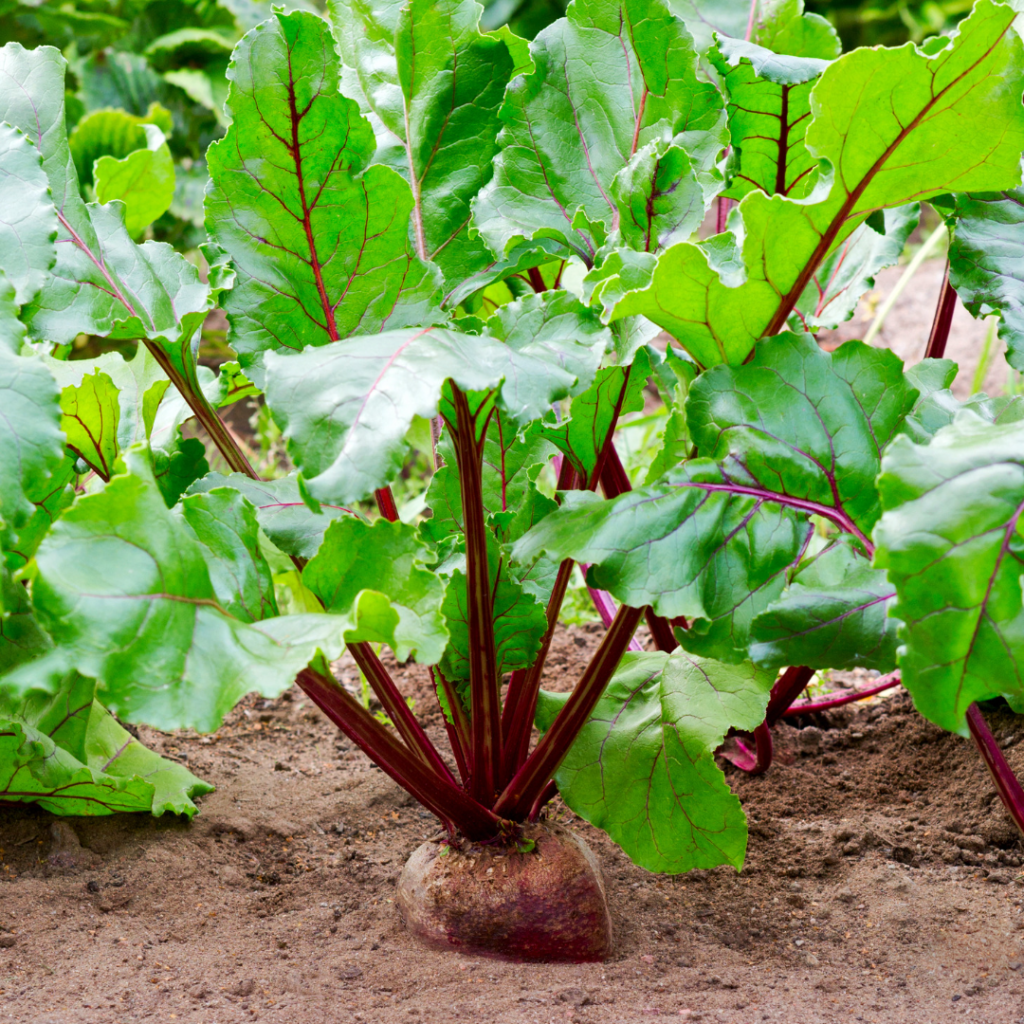
Depending on the variety, you can harvest young baby beets for salads, or wait until the roots have fully mature for eating. Since beets require minimal maintenance and keep for several months when stored correctly in the refrigerator, they are an ideal crop for backyard gardeners of all skill levels.
Common Types of Beets You Can Grow
Growing beets can be incredibly rewarding, as they can provide not only a wonderful addition to any home-grown vegetable garden, but also provide a delicious and versatile ingredient to use in the kitchen.
Forged & Grown
Garden pieces, printed to order
3D printed planters and garden accessories, made in the UK. Self-watering designs, sculptural shapes, colour options — each one made when you order it.


There are several common varieties of beet that you can choose from when it comes to growing them. From round red beets and Golden Midget, which produces small round yellow-orange roots, to more unusual heirloom varieties such as Badger Flame and Bull’s Blood, there’s something for every gardener.
Whatever type of beet you chose to grow, all types are packed with nutritious benefits, providing Vitamin C, fiber and powerful antioxidants. Growing your own beets is an easy process and will ensure you get the freshest possible vegetables for use in salads or for roasting.
What You Need to Know Before Planting Beets
Planting beets can seem like a daunting task, but with the right information, you’ll have beautiful, bountiful beets in no time! Before getting started, it’s important to know where you want to plant your beets. Beets do best in soil that drains well and is enriched with compost or manure.
You’ll also need to make sure they get enough sun while staying protected from harsh weather or extreme heat. Planting at the right time of year is important too – usually around late spring or early summer so you can enjoy a summer harvest.
Pay attention to depth when planting as well – shallow for root formation and deep for leaves -and for those pesky weeds make sure to weed often! With these things taken into account, you’ll be on your way to harvesting some delicious beets before you know it.
How to Plant Your Beets
Planting beets can be both enjoyable and rewarding, but it does require proper knowledge and good technique. Beets should be planted in warm soil, typically around springtime, after the last frost date for your region. When planting, make sure the soil is light and well worked before dropping the seeds into it.
For best results, you should sow the seeds half an inch deep then covers them with soil so that there is adequate space between each seed. You’ll also want to thin out the seedlings by pinching off the weaker ones as they come in so that larger, fuller heads of beets will have room to grow. Finally, when your beets reach a height of four inches or taller with your desired head size, they’re ready to harvest!

Tips for Caring for Your Beet Plants
Caring for your beet plants requires patience, but the reward is worth it in the end! The most important step when caring for beet plants is to provide adequate moisture. Make sure your soil remains constantly moist and don’t let it dry out as this will affect the growth and quality of your harvest. Avoid excess watering where possible and water deeply instead for better absorption by the roots.
Ensure that you are using high quality potting soil with good drainage, as this helps prevent too much moisture from staying in the soil. Fertilize plants every two weeks with a liquid organic fertilizer solution that has an NPK ratio suitable for beets. Weed management is key, as beets often struggle in weedy areas, so removing weeds regularly is essential.
Finally, keeping an eye on surroundings such as overhanging branches will help ensure healthy growth of your beet plant. With some dedication and proper care, you can enjoy delicious homegrown beets in no time.
Harvesting Your Beets
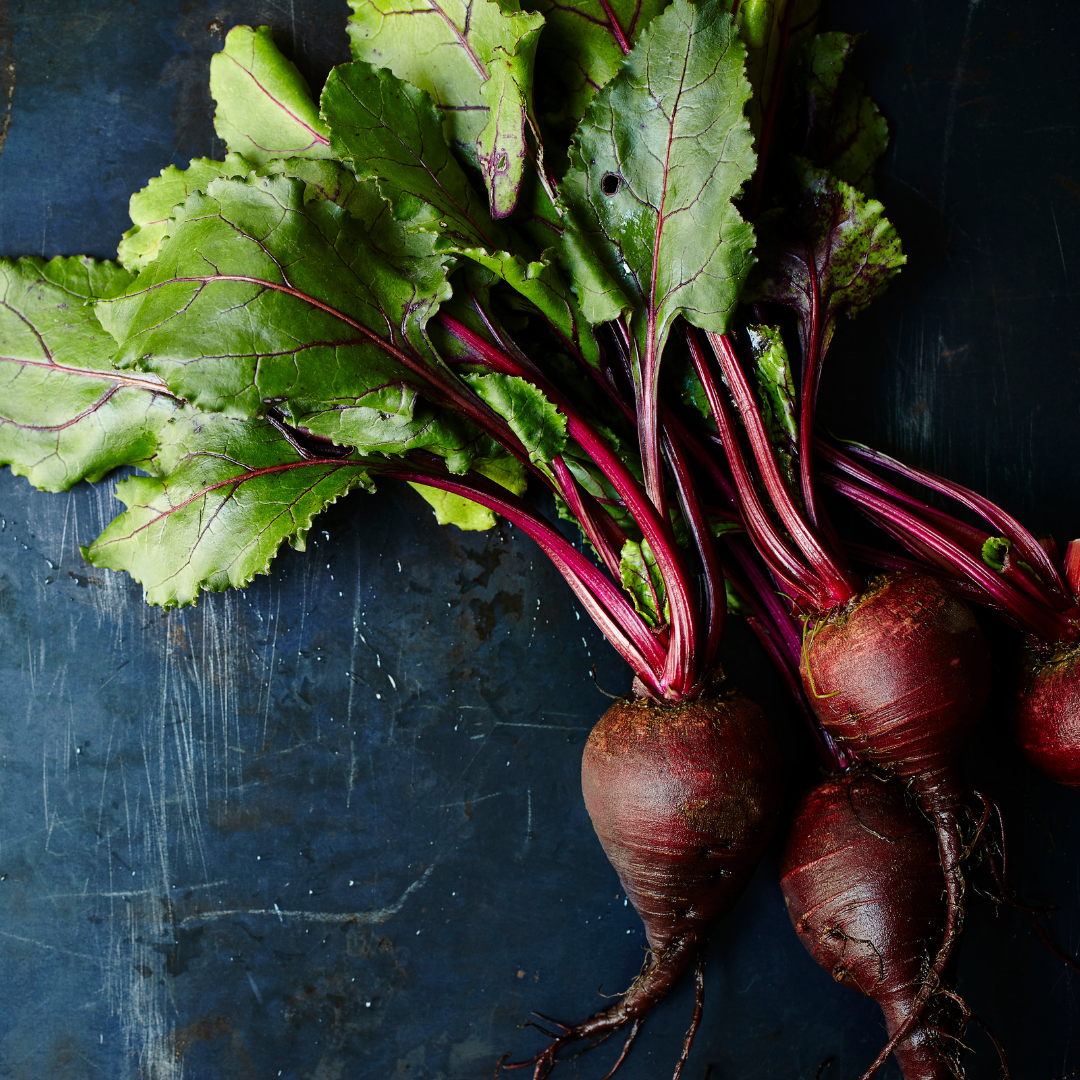
If you want to enjoy the taste of delicious, sweet and earthy beets that you harvested from your own garden, there are certain steps to follow for the best outcome. When selecting beets for harvest make sure that they are firm and round with deep color tones. Pulling off the leaves above the crown will cause less stress on the root when harvesting.
Gently lift from the ground taking care not to detach any roots or damage the beet itself. Be sure to check underneath them in order to harvest any that may have been missed as some develop beneath the ground.
Once you have harvested your crop, store it appropriately by washing off dirt and keeping them separate from other vegetables; allowing enough air circulation around them will help keep them fresh. Following these simple tips should ensure a successful harvest of healthy beets.

Common Problems with Growing Beets and How to Avoid Them
Common problems that arise with beets include foliage wilting, which happens due to overwatering and poor drainage; manganese or iron deficiency, which causes yellow and purplish spots on the foliage; or downy mildew, which appears as a white fuzzy mold on the leaves.
In order to avoid these issues, ensure the soil is well-draining and amended with composted material before planting. Water your beets consistently and evenly with about an inch of water per week.
Additionally, providing adequate spacing between rows to allow for airflow will drastically reduce any risk of mildew or other fungal diseases. If your plants are affected by deficiencies in the soil or any diseases, a careful application of fertilizer should restore them back to their prime condition.
How to Grow Beet Microgreens
Microgreens are a nutrient-rich and flavor-filled ingredient that can add color, texture, and nutritional value to any plate. Growing them at home is a low maintenance process that produces exciting and delicious results.
Planting beet microgreens requires very few materials: all you need is bulk beet seeds, high-quality potting soil, a shallow tray with drainage holes, a few drops of liquid fertilizer, and some humidity packaging to keep your greens moist.
To get started, mix 1/4” of soil into your tray and evenly distribute the seed over the top. Moisten the soil with your liquid fertilizer solution and mist the surface of your tray lightly every day if needed. Finally cover it with humidity packaging or place in a closed container to encourage germination.
With just a bit of patience in two weeks or less you’ll have an endless supply of freshly harvested beet microgreens.


