
Spring Pest Prevention: A Proactive Guide for Garden Success
I sometimes use affiliate links in content. This doesn’t cost you anything but I may make a commission payment from anything you buy through these links. As an Amazon Associate I earn from qualifying purchases. All opinions remain my own.
As winter fades and the first signs of spring emerge, gardeners face one of their most crucial challenges: preventing pest problems before they begin. While many wait until they spot damage to take action, the secret to a thriving garden lies in proactive prevention. This comprehensive guide will walk you through creating a robust pest prevention strategy that protects your garden throughout the growing season.

Understanding Spring Pest Patterns
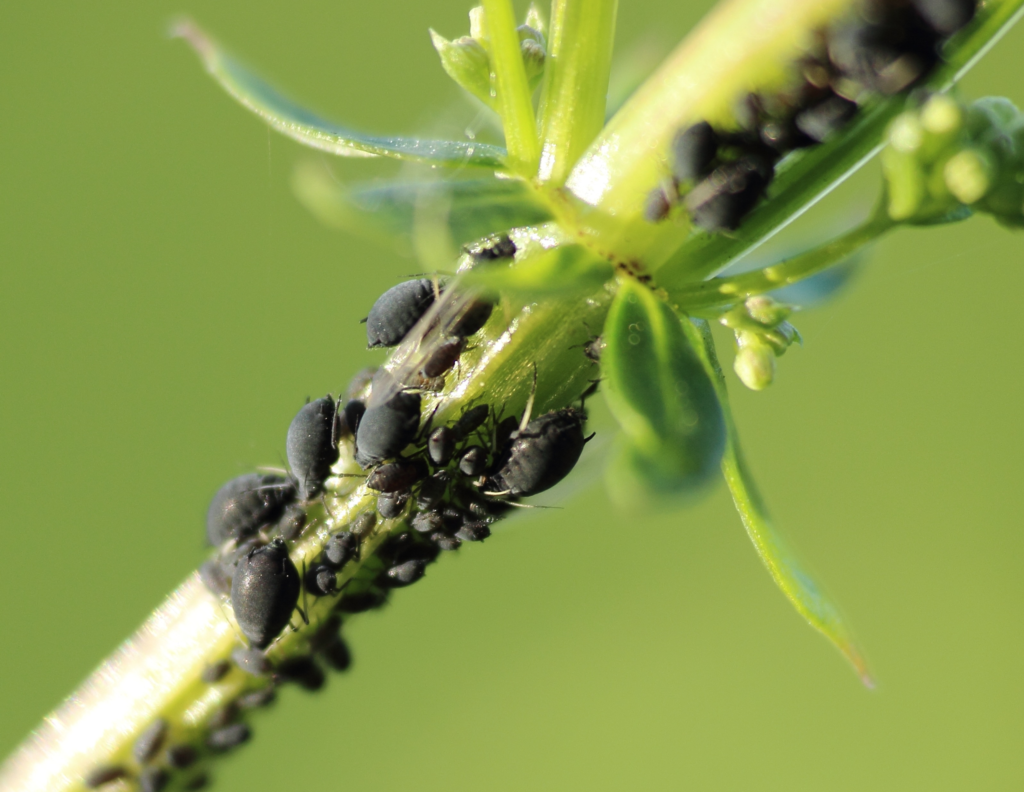
The warming soil and fresh growth of spring create perfect conditions for pest populations to explode. As temperatures rise, overwintering insects emerge from dormancy, hungry for tender new growth. Meanwhile, migrating pests return to establish new colonies. This combination makes early spring the ideal time to implement prevention strategies, before these populations can take hold.
Weather patterns play a crucial role in pest emergence. Mild winters often lead to higher pest survival rates, while wet springs can encourage certain pest populations to thrive. Understanding these patterns helps you anticipate and prepare for potential problems before they arise.
Garden Preparation Strategies
The foundation of pest prevention begins with healthy soil. Creating living soil in your garden supports beneficial microorganisms that naturally suppress pest populations. Regular soil testing helps you maintain optimal conditions for plant health, as strong plants naturally resist pest pressure better than stressed ones.
Forged & Grown
Garden pieces, printed to order
3D printed planters and garden accessories, made in the UK. Self-watering designs, sculptural shapes, colour options — each one made when you order it.


Understanding your soil type is crucial for creating an environment where plants thrive and develop natural pest resistance. When plants grow in well-balanced soil, they produce natural chemical defenses that deter many common pests.
Strategic plant placement through companion planting creates natural pest barriers and promotes beneficial insect populations. Consider these proven companion planting combinations:
- Pair tomatoes with basil to repel tomato hornworms
- Plant marigolds throughout the garden to deter nematodes
- Grow nasturtiums as sacrificial plants to protect crops from aphids
Natural Prevention Methods
Physical barriers provide your first line of defense against pests. Installing row covers early in the season prevents flying insects from laying eggs on young plants. Collar barriers around seedlings stop cutworms and other crawling pests from reaching tender stems. These barriers work best when installed before pest problems appear.
Creating habitat for beneficial insects establishes a natural pest control system that works around the clock. Consider these elements for your garden:
- Shallow water sources for beneficial insects to drink
- Flowering plants that provide nectar and pollen
- Areas of undisturbed soil for ground-dwelling predators
- Native plants that support local beneficial insect populations
Cultural Practices for Pest Prevention
Proper watering techniques significantly impact pest pressure. Water early in the day so foliage can dry quickly, reducing conditions that favor fungal growth and soft-bodied pests. Mulching not only conserves moisture but also creates barriers against soil-dwelling pests while providing habitat for beneficial insects.
Garden sanitation might not be glamorous, but it’s essential for pest prevention. Remove dead plant material promptly, as it can harbor overwintering pests. Keep areas around plants clear of debris where pests might hide. Maintain good air circulation between plants to discourage pest problems.
Monitoring and Early Detection
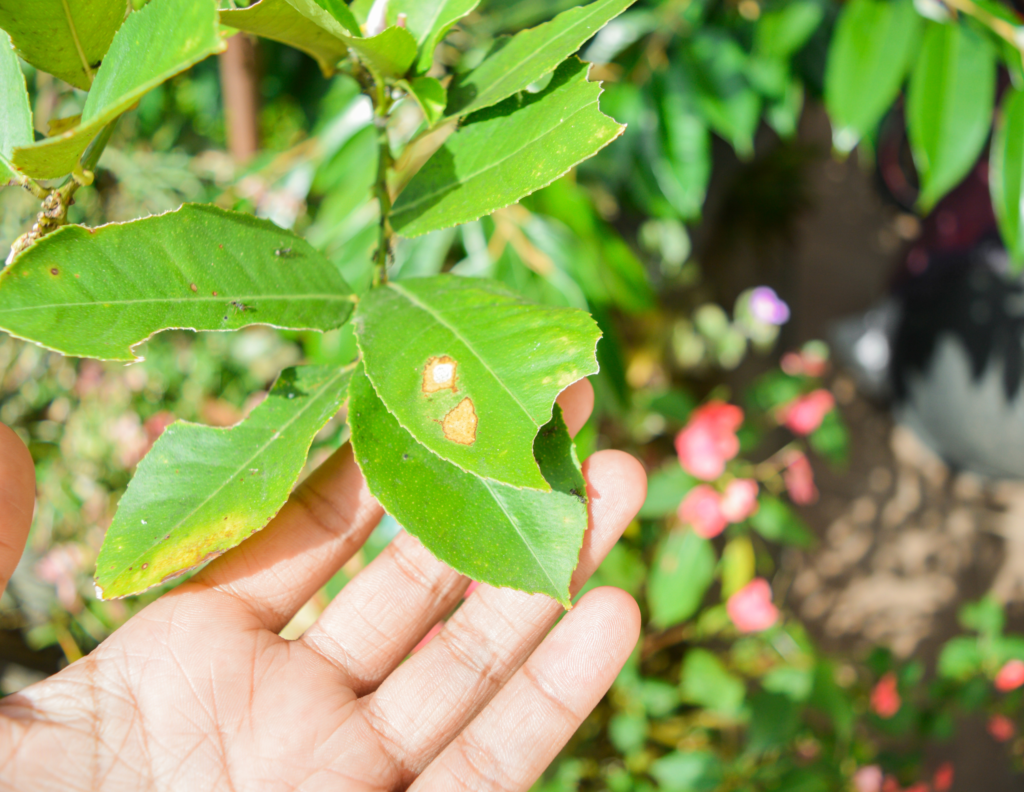
Establish a weekly inspection routine to catch problems early. Walk your garden regularly, checking both sides of leaves and examining stem joints where pests often gather. Keep a garden journal to track pest patterns and successful prevention strategies. This documentation helps you anticipate and prevent future problems.
Consider these key areas for regular monitoring:
- New growth, especially tender shoots and leaves
- Plant joints and stem bases
- Soil surface around plants
- Underside of leaves where many pests hide
Organic Preventive Treatments
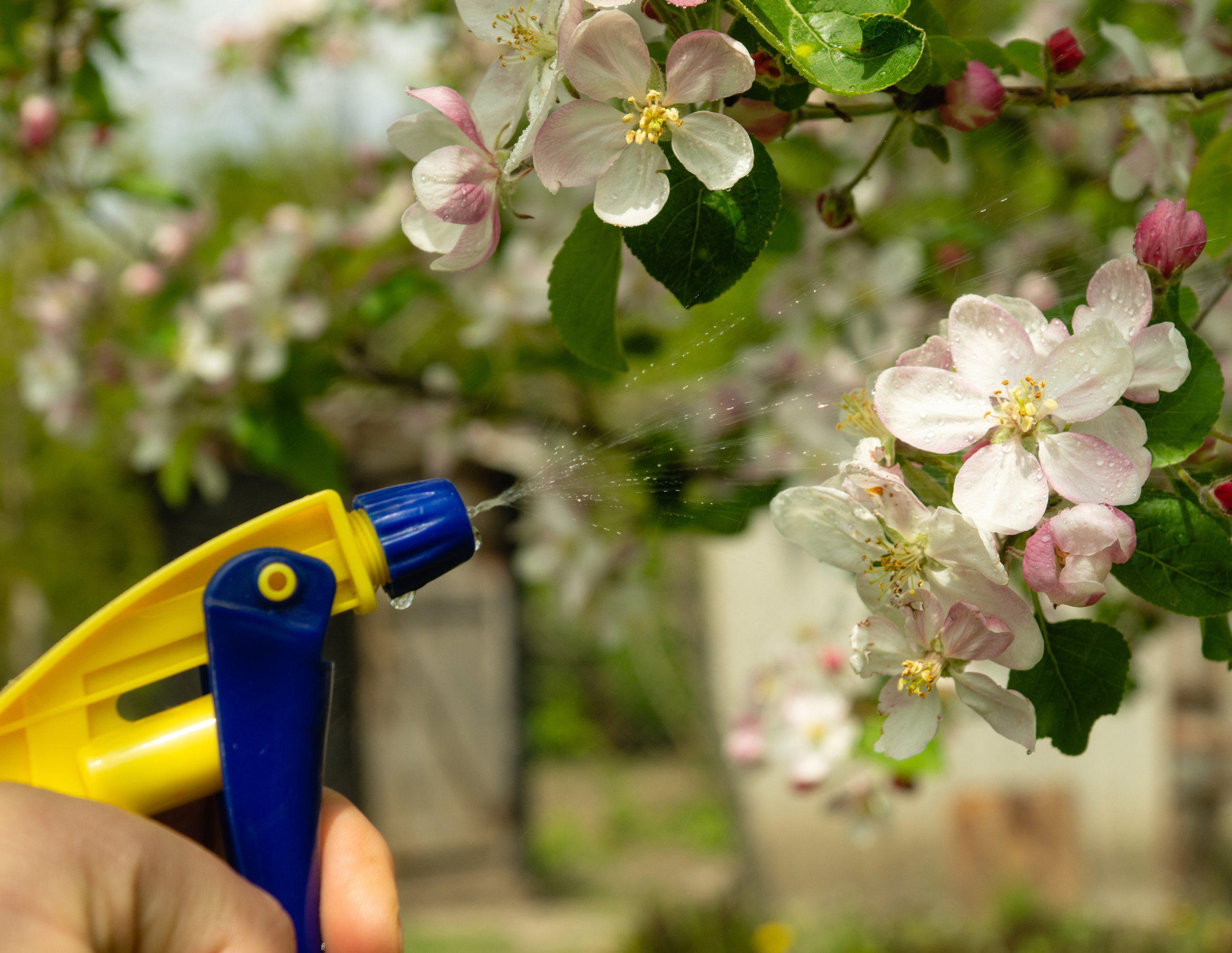
Timing is crucial when applying organic preventive treatments. Begin applications before pest problems typically appear in your area. Many organic options work best as preventive measures rather than treatments. Create a calendar of preventive applications based on your local pest patterns and stick to it.
When selecting commercial organic products, choose those that target specific pests while preserving beneficial insects. Always follow application guidelines carefully, even with organic products, to ensure effectiveness and safety.
Season-Long Prevention Plan
A successful pest prevention strategy evolves with the season. Start with early spring soil preparation and barrier installation. Move through the season adjusting your approach based on weather patterns and pest pressure. Regular monitoring helps you stay ahead of problems and adjust your prevention strategies as needed.
Remember that some pest presence is normal and even beneficial, as it supports populations of natural predators. The goal isn’t to eliminate all pests but to maintain a balanced garden ecosystem where pest damage remains minimal.
Emergency Response Plan
Despite best prevention efforts, pest problems may occasionally arise. Prepare for these situations by keeping basic organic pest control supplies on hand. Know which treatments work for common local pests, and be ready to implement them quickly if prevention measures fail.
Most importantly, learn from each garden challenge. Every pest encounter provides information that helps strengthen your prevention strategy for the future. By focusing on prevention and maintaining healthy garden practices, you’ll create a resilient garden that naturally resists pest problems throughout the growing season.
Looking to deepen your garden knowledge? Explore our guides on soil monitoring tools and creating the perfect growing environment for specific plants.


