
How Long Does It Take an Olive Tree to Grow and Produce Fruit? The Complete Guide

I sometimes use affiliate links in content. This doesn’t cost you anything but I may make a commission payment from anything you buy through these links. As an Amazon Associate I earn from qualifying purchases. All opinions remain my own.
Imagine the joy of harvesting your own olives, right from your backyard. The thought of nurturing an olive tree, watching it grow and eventually bear fruit is both exciting and rewarding. But one question that often arises for gardening enthusiasts like you is: How long do olives take to grow?
The journey of growing an olive tree can be a test of patience, but the results are truly worth the wait. Olive trees are not just about their fruits; they’re also admired for their silvery leaves and gnarled trunks, adding a Mediterranean charm to any garden. Understanding how long it takes for these trees to mature and produce olives can help you plan your gardening activities better.
In this guide, we will walk you through everything you need to know about growing olive trees – from planting them in the right conditions, caring for them as they mature, all the way up to when they start producing those delicious olives. So let’s get started on our journey with What Are Olive Trees?
What Are Olive Trees?
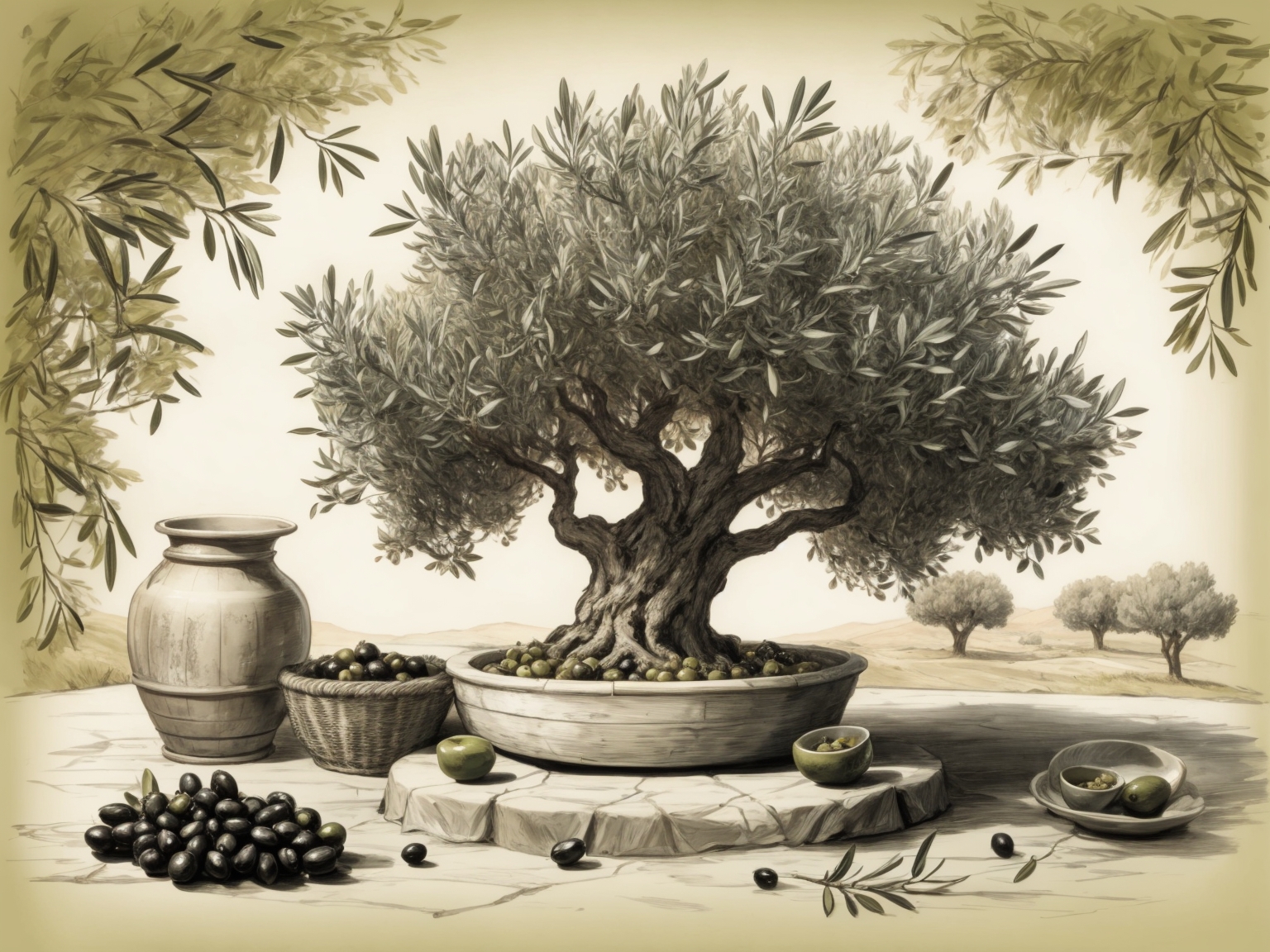
Olive trees, or Olea europaea, are an integral part of the Mediterranean landscape. These evergreen beauties, with their gnarled trunks and silver-green leaves, have been cherished for thousands of years. They’re not just a feast for the eyes – they’re also the source of olives and olive oil, staples in many global cuisines.
Forged & Grown
Garden pieces, printed to order
3D printed planters and garden accessories, made in the UK. Self-watering designs, sculptural shapes, colour options — each one made when you order it.


Did you know that there are over 800 million olive trees worldwide? That’s quite a testament to their popularity! And it’s not just about food – olive tree branches symbolize peace and were even used as crowns in ancient Greek games.
Different Varieties Of Olive Trees
There’s more to these trees than meets the eye. There are actually around 700 different varieties of olive trees! Each one has its unique characteristics and requirements.
Take the ‘Arbequina’ variety for instance. It’s a small tree that hails from Spain but is now grown globally due to its adaptability. This little champion can start producing fruit in as little as 3 years!
On the other hand, we have ‘Koroneiki’, another popular variety from Greece. This tree is known for its high-quality oil production but requires a bit more patience – it takes about 5-7 years to start bearing fruit.
So you see, understanding your olive tree type is crucial when anticipating how long it will take to grow and produce those delicious olives.
How Long Does It Take For An Olive Tree To Grow?
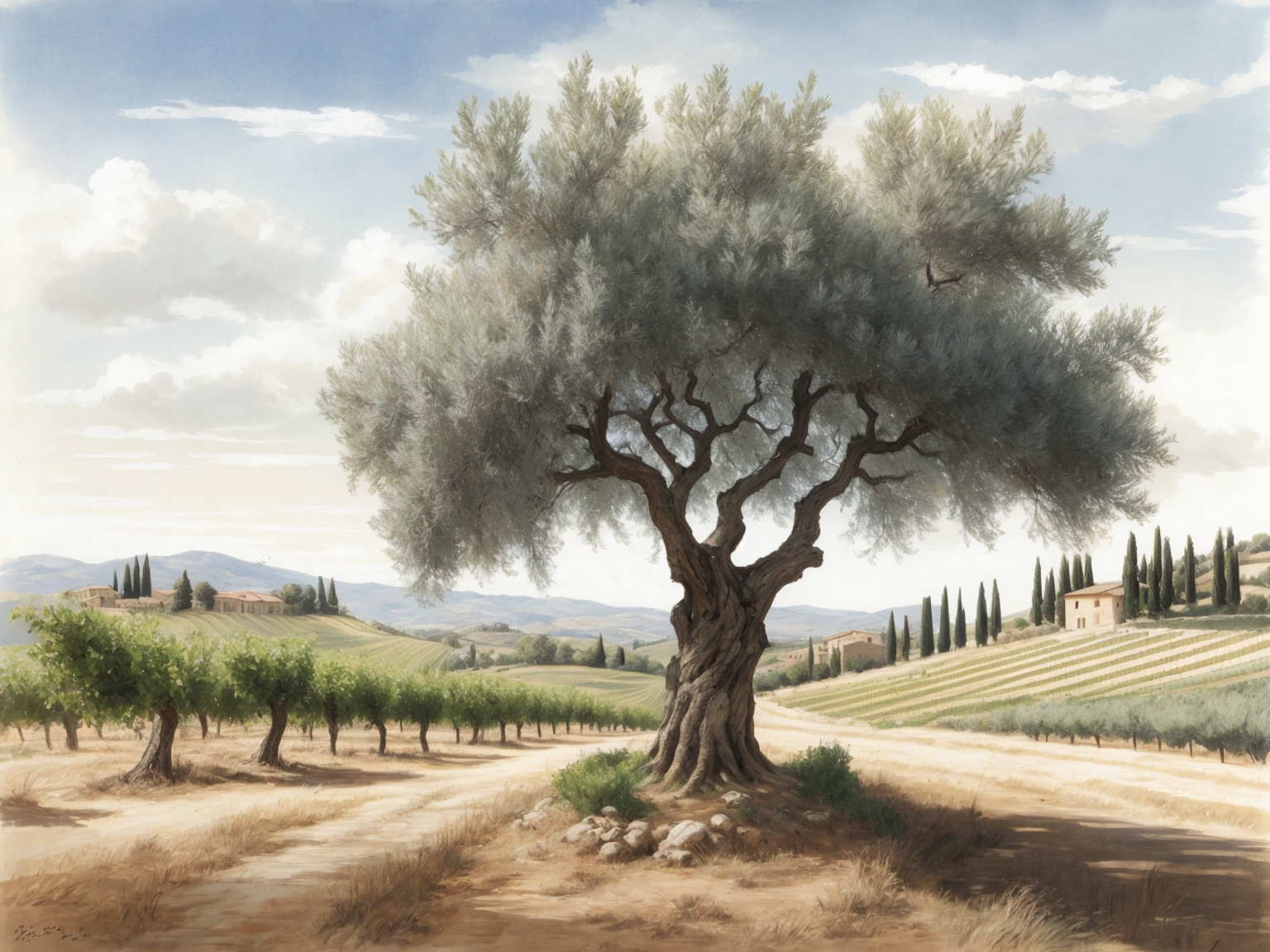
Have you ever wondered how long it takes for an olive tree to grow? Well, the answer isn’t as straightforward as you might think. On average, olive trees take between 3 to 5 years to mature from a seedling and start producing fruit. However, this timeline can vary significantly depending on several factors.
For instance, the climate plays a crucial role in determining how quickly an olive tree grows. In Mediterranean climates where olives are native, these trees can grow relatively fast due to the ideal conditions of warm summers and mild winters. But if you’re trying to grow an olive tree in less-than-ideal climates like colder or more tropical regions, it could take much longer for your tree to reach maturity.
The type of soil is another significant factor that influences the growth rate of an olive tree. These trees prefer well-draining soil with a pH level between 6 and 7.5. If your soil doesn’t meet these criteria, don’t worry! You can amend it with lime or sulfur to adjust the pH level or add compost for better drainage.
The Growth Process Of An Olive Tree
Now that we’ve covered how long it takes for an olive tree to grow let’s delve into what this growth process looks like. The journey from a tiny seedling to a mature olive tree involves several stages.
In its first year of life, an olive seedling focuses primarily on developing its root system while growing only about one foot tall above ground level. This stage is critical because a strong root system will support the future growth of the tree.
During its second and third years of life, the young olive tree begins branching out and developing foliage but still doesn’t produce any fruit yet. At this point, proper pruning becomes essential not just for shaping your tree but also promoting better airflow through its branches which helps prevent diseases.
By the time it reaches its fourth or fifth year, an olive tree is usually mature enough to start producing fruit. However, don’t expect a full harvest just yet! It typically takes another few years before an olive tree can produce a substantial amount of olives.
So there you have it – from seedling to fruit-bearing maturity, growing an olive tree is quite a journey that requires patience and care. But trust us when we say that the wait is worth it. Imagine the satisfaction of harvesting your own olives right in your backyard!
Speaking of harvesting olives, this brings us to our next topic** When do olive trees start bearing fruit? Stay with us as we delve into this exciting phase in the life cycle of an olive tree.
When Do Olive Trees Start Bearing Fruit?

So, you’ve planted an olive tree and now you’re wondering when it will start bearing fruit. Well, let me tell you, patience is key here! Typically, an olive tree starts producing fruit after about 3 to 5 years of planting. But wait, there’s more to it than just time.
Factors Affecting Fruit Production In Olive Trees
Now that we know the general timeline for an olive tree to bear fruit, let’s dig into some factors that can affect this process.
- Age: As mentioned earlier, olive trees usually start bearing fruit between their third and fifth year. However, they reach their peak productivity only around the age of 7 years.
- Climate: Olive trees thrive in a Mediterranean climate – think warm summers and mild winters. They need at least two months of cold weather (below 10°C) for the olives to develop properly.
- Care: Proper care plays a significant role too. Regular pruning helps increase airflow and sunlight penetration which are crucial for healthy growth and fruit production.
- Variety: The variety of the olive tree also matters. Some varieties are early bearers while others take longer to produce fruit.
Did you know? According to a report by the International Olive Council, Spain is the largest producer of olives with over 50% share in global production!
Remember though that every tree is unique and may not follow these exact timelines or patterns. So don’t get disheartened if your olive tree takes its sweet time!
As we move forward in our gardening journey together, I’ll be sharing tips on how to plant and care for your own olive tree so stay tuned!
How To Plant And Care For An Olive Tree?
Planting and caring for an olive tree can be a rewarding experience. The process begins with selecting the right location. Olive trees thrive in sunny, well-drained areas. They are hardy plants that can withstand temperatures as low as -10 degrees Celsius, but they prefer warmer climates.
To plant your olive tree, you’ll need to dig a hole twice as wide and just as deep as the root ball of your tree. Place the tree in the hole and backfill it with soil, making sure not to bury the trunk.
Caring for an olive tree requires regular watering and pruning. Water your tree deeply once a week during dry periods, but avoid overwatering as this can lead to root rot. Pruning is essential for promoting growth and maintaining the health of your tree. It’s best done in late winter or early spring before new growth begins.
Common Problems And Solutions In Growing Olives
Growing olives isn’t without its challenges. One common issue is pests such as scale insects and olive fruit flies which can damage both leaves and fruits if left unchecked.
Scale insects appear on leaves and stems sucking sap from plants causing them to weaken over time while olive fruit flies lay their eggs inside olives leading to premature fruit drop.
The solution? Regular monitoring! Catch these pests early by inspecting your trees regularly. If you spot any signs of infestation, treat immediately using organic insecticides or introduce natural predators like ladybugs into your garden.
Diseases are another hurdle when growing olives with Verticillium wilt being one of the most devastating ones affecting these trees worldwide according to Olea europaea research published by Frontiers in Plant Science journal in 2018 showing that this disease caused by soil-borne fungus leads to wilting, yellowing leaves eventually killing off branches or even whole trees!
Prevention is key here. Ensure good drainage to avoid waterlogged soil conditions where this fungus thrives and rotate crops in your garden to break the disease cycle.
Growing olives can be a test of patience, but with careful attention and care, you’ll be rewarded with a beautiful tree that not only adds aesthetic value to your garden but also provides delicious fruit for years to come.
Now that we’ve covered the basics of planting and caring for an olive tree outdoors, you might be wondering if it’s possible to grow these Mediterranean beauties indoors. Well, let’s find out!
Can You Grow Olives Indoors?

Yes, you absolutely can grow olives indoors! It’s not just a dream. With the right conditions and care, your indoor olive tree could thrive and even bear fruit. But it’s not as simple as placing a seed in a pot and waiting for magic to happen. Growing olives indoors requires careful planning and dedication.
Tips For Successful Indoor Cultivation Of Olives
Growing olives indoors is an art that demands patience, love, and knowledge. Here are some tips to help you succeed**
- Choose the Right Variety** Not all olive trees are created equal when it comes to indoor cultivation. Dwarf varieties such as Arbequina or Picholine are ideal for indoor growth due to their compact size.
- Provide Adequate Light** Olive trees need plenty of light – at least six hours of direct sunlight each day. If natural light is scarce in your home, consider using grow lights.
- Maintain Proper Temperature** Olive trees prefer temperatures between 60-80°F (15-27°C). They can tolerate cooler temperatures during dormant winter months but avoid exposing them to freezing conditions.
- Water Wisely** Overwatering is a common mistake when growing olives indoors. Allow the top inch of soil to dry out before watering again.
- Fertilize Regularly** Use a balanced fertilizer every month during spring and summer to provide necessary nutrients.
- Prune Appropriately** Pruning helps maintain the tree’s shape and promotes better air circulation which prevents diseases.
- Patience is Key** Remember, olive trees take time to mature and produce fruit – typically around 3-5 years!
With these tips in mind, you’re well on your way towards successfully cultivating olives indoors! However, don’t be disheartened if things don’t go perfectly at first. Gardening is a learning process, and every setback is an opportunity for growth.
Now that we’ve covered the basics of indoor olive cultivation, it’s time to turn our attention to a broader perspective. Olive trees aren’t just grown in living rooms and greenhouses – they’re a major agricultural product worldwide. So where exactly are olives mostly grown? Stay with us as we journey from your living room to the vast olive groves around the globe.
Where Are Olives Mostly Grown In The World?
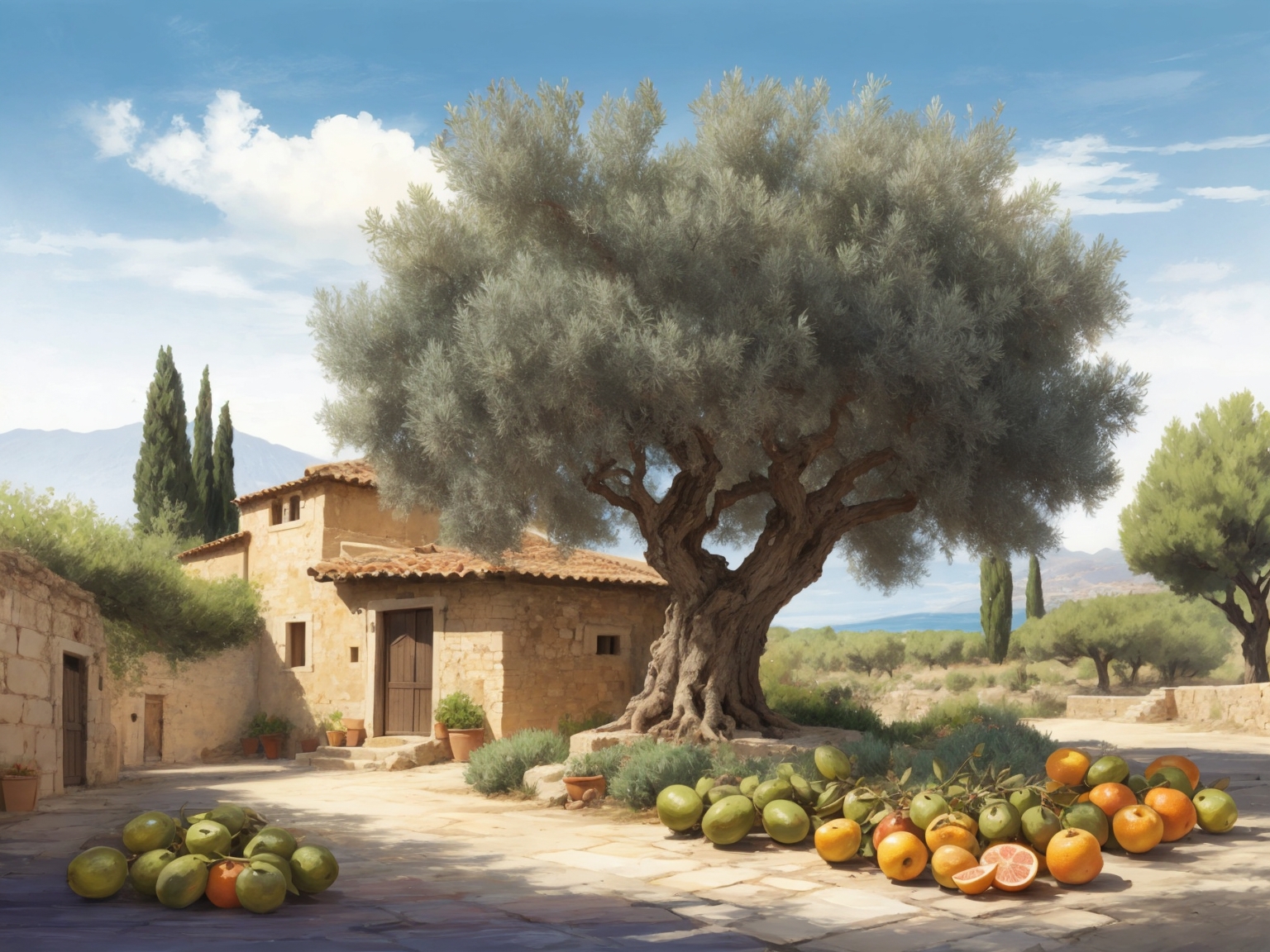
When it comes to olive production, a few countries stand out. Spain is the world’s largest producer of olives, accounting for nearly 50% of global production. This Mediterranean country boasts over 300 million olive trees spread across its sun-drenched landscapes.
Not far behind is Italy, another major player in the olive industry. With around 25% of global production, Italy is renowned for its high-quality extra virgin olive oil and diverse range of olive varieties.
Greece also holds a significant place in the world’s olive market. It contributes approximately 20% to global output and has more than 120 million trees scattered across its territories.
Best Places To Grow Olive Trees In The US
In the United States, California reigns supreme as the primary region for growing olives. Accounting for nearly 95% of U.S. production, California’s warm climate and fertile soil provide ideal conditions for these hardy trees.
Texas also offers favorable conditions for cultivating olives due to its hot summers and mild winters. Texas Hill Country, in particular, has seen an increase in olive orchards over recent years.
Arizona and Florida are other states where you’ll find thriving olive groves thanks to their warm climates that mimic those found in traditional Mediterranean growing regions.
Conclusion
So why wait? Subscribe now to our blog for regular updates on everything from how-to guides on growing cilantro microgreens or carrots, tips on choosing indoor plants, and much more. Don’t forget to check out our ‘Resources’ page for handy tools like gardening calendars and plant guides. And if you have any questions or need advice, feel free to Contact Us. We’d love to hear about your experiences and help solve any challenges you might face along the way!
Remember – every green thumb starts as a seedling! Let’s nurture yours together.
Frequently Asked Questions about How long do olives take to grow
1. How long does it take for an olive tree to bear fruit?
On average, an olive tree takes around 3 to 5 years to start bearing fruit after being planted.
2. What is the typical growing season for olives?
Olives have a long growing season that typically spans from spring to late autumn or early winter, depending on the climate and variety of the olive tree.
3. Are there different varieties of olives with varying growth times?
Yes, there are various olive cultivars, each with its own growth characteristics. Some varieties may take longer or shorter periods to mature and produce fruit.
4. Can olives be grown in all climates?
While olives are adaptable and can be grown in a range of climates, they thrive best in Mediterranean-like conditions with mild winters and hot summers.
5. Do olives require specific soil conditions for optimal growth?
Yes, olives prefer well-drained soil with good fertility. They can tolerate a wide range of soil types but perform best in loamy or sandy soils.
6. How often should olive trees be watered during their growth period?
Young olive trees need regular watering until they establish their root system. Once established, they are drought-tolerant and generally require watering every two weeks during dry spells.
7. When is the ideal time to harvest olives?
The ideal time for harvesting olives depends on the desired end product (table olives or oil). For table olives, they are usually harvested when fully ripe and have changed color from green to black or purple-black. For oil production, harvesting often occurs when the fruits are still green or turning color but not fully ripe.
8. How long does it take for harvested green olives to ripen off the tree?
Green olives can take several weeks to months to ripen off the tree, depending on the specific variety and storage conditions. The process involves curing or brining the olives to remove their natural bitterness.
9. Can olive trees be grown from seeds?
Yes, olive trees can be grown from seeds, but it is a lengthy process as they may take up to 10 years or more to bear fruit. Most commercially cultivated olive trees are propagated through grafting or cuttings for faster and consistent results.
10. Are there any factors that can affect the growth rate of olive trees?
Several factors can influence the growth rate of olive trees, including climate, soil quality, irrigation practices, pruning techniques, pest and disease management, and overall care provided to the tree throughout its lifecycle.


