
The Ultimate Guide to Growing Petunias

I sometimes use affiliate links in content. This doesn’t cost you anything but I may make a commission payment from anything you buy through these links. As an Amazon Associate I earn from qualifying purchases. All opinions remain my own.
Petunias are one of the most beloved garden flowers in the UK, known for their vibrant colors and long-lasting blooms. Whether you’re a seasoned gardener or a beginner looking to add some beauty to your outdoor space, this guide is here to help.
In the following sections, we will provide you with invaluable tips and techniques to grow healthy, flourishing petunias that will enhance your garden throughout the season. From selecting the right varieties to mastering the art of planting and care, we’ve got you covered!
Introduction to Petunias
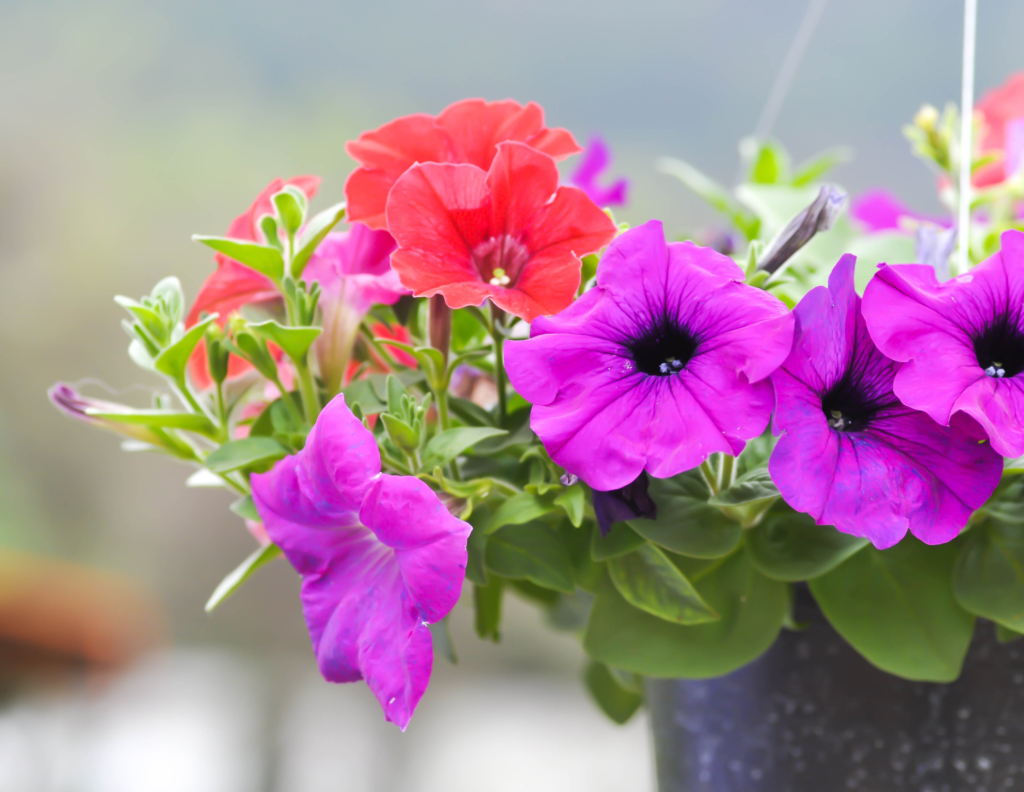
Petunias are one of the most beloved flowers among garden enthusiasts, thanks to their vibrant colors, long bloom period, and versatility. Originating from South America, these hardy plants have found their way into gardens across the globe. In the UK, petunias are particularly popular for their ability to brighten up garden beds, hanging baskets, and window boxes.
There are several varieties of petunias, each offering unique characteristics:
Forged & Grown
Garden pieces, printed to order
3D printed planters and garden accessories, made in the UK. Self-watering designs, sculptural shapes, colour options — each one made when you order it.


- Grandiflora Petunias: Known for their large, showy flowers.
- Multiflora Petunias: Smaller flowers but more abundant blooming.
- Milliflora Petunias: Compact with petite flowers, perfect for smaller spaces.
- Wave Petunias: Renowned for their spreading habit, making them ideal for ground cover and large baskets.
Petunias are not just aesthetically pleasing; they are also relatively easy to grow, making them a favorite among both beginner and experienced gardeners in the UK.
The Ideal Environment for Petunias
Climate
Petunias thrive in warm weather and are best planted after the last frost. In the UK, this typically means waiting until late May or early June. While they can tolerate cooler temperatures, they flourish when the weather is consistently warm.
Soil
Petunias prefer well-drained soil that is rich in organic matter. For optimal growth, aim for a soil pH between 6.0 and 7.0. Adding compost or aged manure to your garden bed can enhance soil fertility, providing the nutrients petunias need to thrive.
Light
These sun-loving plants require at least six hours of direct sunlight each day. If you’re planting petunias in a shadier spot, you may notice fewer blooms. For UK gardeners, choose a south-facing location to maximize sun exposure.
Step-by-Step Guide to Planting Petunias
From Seeds
- Timing: Start petunia seeds indoors 10-12 weeks before the last expected frost.
- Sowing: Use seed trays filled with a light, seed-starting mix. Scatter the seeds on the surface and lightly press them into the soil without covering them, as petunia seeds need light to germinate.
- Watering: Mist the soil gently to keep it moist but not waterlogged.
- Germination: Place the trays in a warm spot with temperatures around 70°F (21°C). Seeds typically germinate within 7-14 days.
- Transplanting: Once seedlings have at least two sets of true leaves, transplant them into individual pots. Harden them off by gradually exposing them to outdoor conditions before planting them outside.
From Seedlings
- Timing: Plant petunia seedlings outdoors after the danger of frost has passed.
- Planting: Dig a hole slightly larger than the root ball of your seedling. Space plants about 12 inches apart for Grandiflora and Multiflora varieties, and 18 inches apart for Wave petunias.
- Watering: Water thoroughly after planting to settle the soil around the roots.
Petunia Care and Maintenance
Watering
Petunias prefer consistently moist soil. Water them deeply once a week, increasing frequency during hot, dry periods. When watering, avoid overhead sprinkling which can lead to fungal diseases; instead, water at the base of the plants.
Fertilizing
Feed your petunias every two weeks with a balanced, water-soluble fertilizer. For continuous blooms, choose a fertilizer with a higher phosphorus content (the middle number on the fertilizer package).
Pruning
Regularly deadhead spent flowers to encourage new blooms. For petunias that start to look leggy, trim back one-third of the plant to promote bushier growth and more flowers.

Dealing with Common Petunia Problems
Pests
- Aphids: Small, green insects that cluster on new growth. Control them with insecticidal soap or by introducing natural predators like ladybugs.
- Slugs and Snails: These pests can chew holes in leaves. Use slug pellets or copper tape around containers to deter them.
Diseases
- Powdery Mildew: A white, powdery fungus on leaves. Improve air circulation and treat with a fungicide if necessary.
- Botrytis Blight: Gray mold on flowers and leaves, often due to excess moisture. Remove affected plant parts and reduce watering.
Innovative Ways to Display Petunias
Hanging Baskets
Create stunning displays by planting Wave petunias in hanging baskets. Their cascading habit ensures a waterfall of color.
Window Boxes
Mix different varieties of petunias in window boxes for a vibrant, layered look. Pair them with trailing plants like ivy for added interest.
Garden Beds
Use Grandiflora petuniasAn error occurred during generation. Please try again or contact support if it continues.
Growing Petunias in Containers
Growing petunias in containers is a fantastic way to add bursts of color to patios, balconies, and other small spaces. Here’s how to ensure your container-grown petunias thrive:

Choosing the Right Container
Select a container with good drainage holes to prevent waterlogging, which can lead to root rot. The size of the container will depend on the type of petunia you are planting, but a general rule of thumb is to use a pot at least 12 inches in diameter for larger varieties.
Potting Mix
Use a high-quality commercial potting mix formulated for flowering plants. These mixes often contain the right balance of nutrients to support healthy growth. Adding slow-release fertilizer to the mix can provide ongoing nourishment.
Planting
Place a layer of potting mix at the bottom of the container. Position your petunia seedlings or transplants at the desired spacing: around 8 inches apart for smaller varieties and up to 12 inches for larger types. Fill in with more potting mix, ensuring the root ball is covered and the soil is firm but not compacted.
Watering
Containers dry out more quickly than garden beds, so regular watering is crucial. Check the moisture level daily and water thoroughly when the top inch of soil feels dry. Avoid waterlogging by allowing the excess to drain out.
Feeding
Feed container-grown petunias every two weeks with a balanced, water-soluble fertilizer. For more prolific blooming, use a fertilizer higher in phosphorus.
Maintenance
Deadhead regularly by removing spent blooms to encourage continuous flowering. If the plants become leggy, pinch back the stems to promote bushier growth.
By following these guidelines, you can enjoy vibrant, healthy petunias throughout the growing season, even in the smallest of spaces.
Conclusion
Growing petunias can bring a splash of vibrant color to any garden, balcony, or patio. By understanding the specific needs for lighting, watering, and soil, you can ensure that your petunias thrive and produce stunning blooms throughout the growing season. Whether planted in garden beds, containers, or hanging baskets, these versatile flowers will reward you with their beauty and resilience, making them a delightful addition to any horticultural endeavour. Happy gardening!


