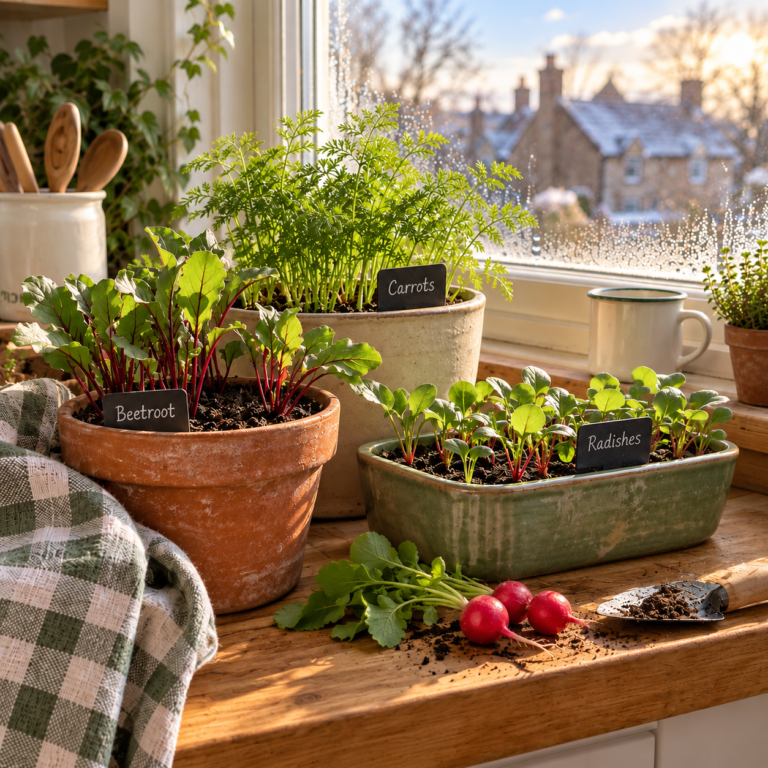
What to Plant in September in the UK: Vegetables, Fruit and Herbs for the Turning Season

I sometimes use affiliate links in content. This doesn’t cost you anything but I may make a commission payment from anything you buy through these links. As an Amazon Associate I earn from qualifying purchases. All opinions remain my own.
September is a hinge month in the British garden. The last of the summer harvest is still coming in, but the real work now is setting up next year’s crops before the light and warmth disappear.
Get the balance right this month and you’ll be picking fresh salad leaves at Christmas and harvesting garlic by midsummer. Get it wrong, and you’ll spend October wishing you’d sown two weeks earlier.
Here’s exactly what to plant in September across the UK, along with the jobs that keep everything else on track.
The September Tension: Winding Down and Starting Over
Every gardening month has its own rhythm, but September asks you to do two contradictory things at once. Half your attention goes to finishing the season well: cutting back, pruning, protecting the last tender crops from an early chill. The other half goes to planting seeds and sets that won’t feed you until next spring or summer.
Forged & Grown
Garden pieces, printed to order
3D printed planters and garden accessories, made in the UK. Self-watering designs, sculptural shapes, colour options — each one made when you order it.


It helps to think of September as two separate to-do lists running side by side. One list is about closing things out. The other is about opening a new growing cycle before the soil cools too far to give young plants a fair start.
Miss the second list and you lose an entire season’s head start, not just a few weeks.
September Planting by UK Region
Tap your region to see this month’s adjusted sowing window and priority jobs.
Southern England
The longest mild window of anywhere in the UK this month. Direct sowing of quick salad crops can often continue into early October, and tender crops may still be cropping well into September.
Priority this month:
- Keep sowing lamb’s lettuce, winter lettuce and rocket right through the month
- Onion sets and spring cabbage still have a comfortable planting window
- Watch tomatoes and beans for late blight risk as autumn damp arrives
Frost risk: low until late in the month.
UK Growing Conditions in September
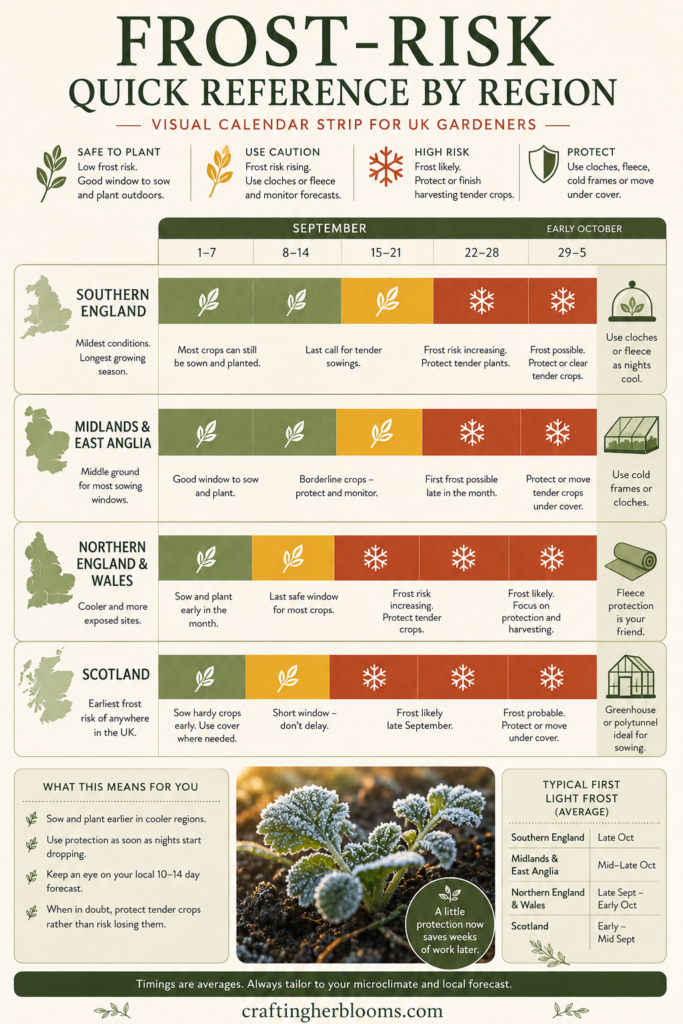
Timing in September shifts more sharply by region than in almost any other month, because the gap between the mildest and coldest parts of the UK is exactly when the first frost risk begins to bite.
Southern England
Southern gardens usually have the longest run of mild weather left. Direct sowing of quick salad crops can often continue into early October here, and tender crops may still be cropping well into the month.
Midlands and East Anglia
This is the middle ground for most September timings. Treat early September as the safer sowing window for anything borderline, and don't push things much past the third week of the month.
Northern England and Wales
Shave one to two weeks off the sowing windows given for the south. Exposed sites can see their first light frost before the month is out, so hardier crops and cloche protection take priority.
Scotland
Scotland often sees the earliest frost risk of anywhere in the UK, and some upland and northern gardens may already have had a light touch of frost by September. Prioritise protection for anything still cropping, and lean on greenhouse or cold frame space for crops that need a few more weeks of shelter.
Vegetables to Plant in September
Salad Leaves and Quick Crops
September is prime time for the fast, tough crops that will see you through autumn and into winter. Lamb's lettuce, also known as corn salad, is one of the best examples: it germinates quickly, tolerates cold, and keeps producing leaves well into the colder months.
Winter lettuce varieties such as 'Winter Gem' can be sown now, ideally with cloche protection once temperatures start to drop. Rocket, mizuna and other cut-and-come-again salad leaves also do well from a September sowing, giving you a continuous supply of fresh leaves without much fuss.
Radishes are worth one last sowing this month too. They mature fast enough to squeeze in before the ground turns properly cold, and a late September sowing can still give you a harvest in October.
Alliums and Roots
Onion sets for overwintering, such as 'Senshyu Yellow', go in now for a harvest next summer. Spring cabbages benefit from the same logic: sow or plant out now and they'll establish before winter, then put on fresh growth as soon as the days lengthen.
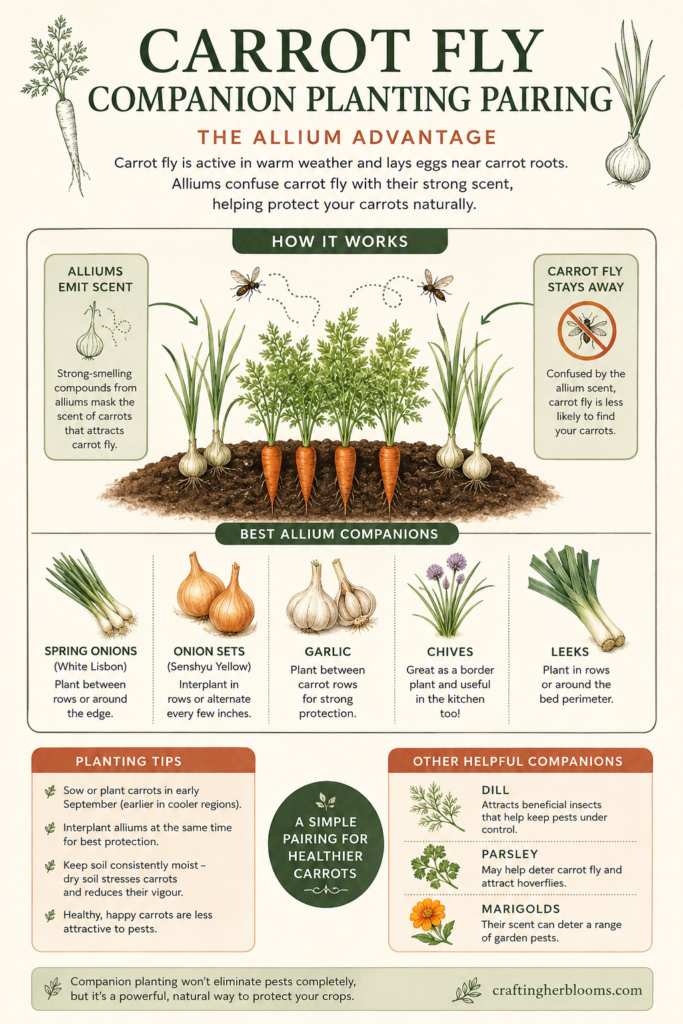
Carrots can still be sown in early September in milder regions, but keep a close eye on companion planting with alliums to help confuse carrot root fly while the weather is still warm enough for it to be active.
Turnips sown now, such as 'Snowball', will be ready for a late autumn harvest. Winter-hardy spring onions, including 'White Lisbon', can also go in this month with the aim of an early crop next spring.
Brassicas for Winter and Spring
If you've been growing leeks or brassicas for a winter supply and haven't planted them out yet, September is your last comfortable window. Kale, particularly hardier types such as 'Cavolo Nero' or 'Red Russian', can still be planted for winter and early spring harvesting.
Pak choi does well from a September sowing when given cloche protection, producing useful baby leaves through autumn. If you're new to the wider brassica and leaf-vegetable family, our guide to the different types of vegetables you can grow is a useful reference for matching varieties to your space.
Direct Sowing Under Cover
Spinach, particularly a perpetual-cropping type, can be direct sown this month if you use cloche protection to keep it going through cooler weather. The same applies to pak choi and other quick leaf crops that appreciate a little shelter as the nights draw in.
If you're gardening somewhere particularly exposed, or simply want a head start on protected winter crops, it's worth reading our guide to planting cool weather vegetables, which covers timing this kind of sowing against your first expected frost date.
Fruit in September
Fruit is mostly a maintenance job this month rather than a planting one, but there are a couple of exceptions worth knowing about.
Strawberry runners potted up earlier in the summer can be planted into their final positions now, giving them time to establish roots before winter. Avoid reusing ground that's grown strawberries in the last three years, since it increases the risk of soil-borne disease.
The bigger job in September is pruning. Fan-trained fruit trees benefit from continued summer pruning this month, and the same goes for gooseberries, red and white currants, and cherries. If you're growing kiwi, prune that too if you haven't already.
Raspberry canes that have finished fruiting this summer should be cut back to soil level, ready for new canes to take over next year. Our full guide to growing raspberries covers the difference between summer and autumn-fruiting types if you're not sure which pruning approach applies to your plants.
Garlic doesn't go into the ground until October in most of the UK, but September is when the smart preparation happens. Use this month to prepare your garlic bed, working in organic matter and giving the soil time to settle before planting. Our complete guide to growing garlic with an autumn planting covers bed preparation, timing by region, and which varieties do best in British conditions.
Herbs to Plant in September
Herb planting is genuinely limited in September compared with the vegetable list, but two crops stand out. Chicory and fennel can both be sown this month and will survive through the winter, giving you an early harvest before most other crops have got going next year.
Beyond new sowings, September is really about protecting the herbs you already have. Tender perennials such as lemon verbena or lemon grass benefit from being brought indoors or into a frost-free greenhouse before the first hard frosts arrive. Potted mint, chives and parsley can be moved to a bright windowsill for fresh picking right through winter.
Hardy perennials including thyme, rosemary and sage can generally stay outside through most UK winters without special treatment, though a light tidy of straggly growth now helps them cope with the months ahead. If you're building out a herb bed from scratch, our guide to growing your own herbs in the UK covers which herbs are hardy enough to leave outdoors and which need winter protection. Mint deserves a special mention here too, since it's usually the first herb most UK growers succeed with; our dedicated guide to growing mint covers the containment strategies that stop it taking over a bed.
Jobs to Do in the Garden This Month
Tomatoes
If you're growing cordon tomatoes, September is when you cordon them by removing the main growing shoot. Find the leaf above the fourth truss of developing fruit and cut just above it. This redirects the plant's energy into ripening the fruit already on the vine rather than producing more growth that won't mature before autumn.
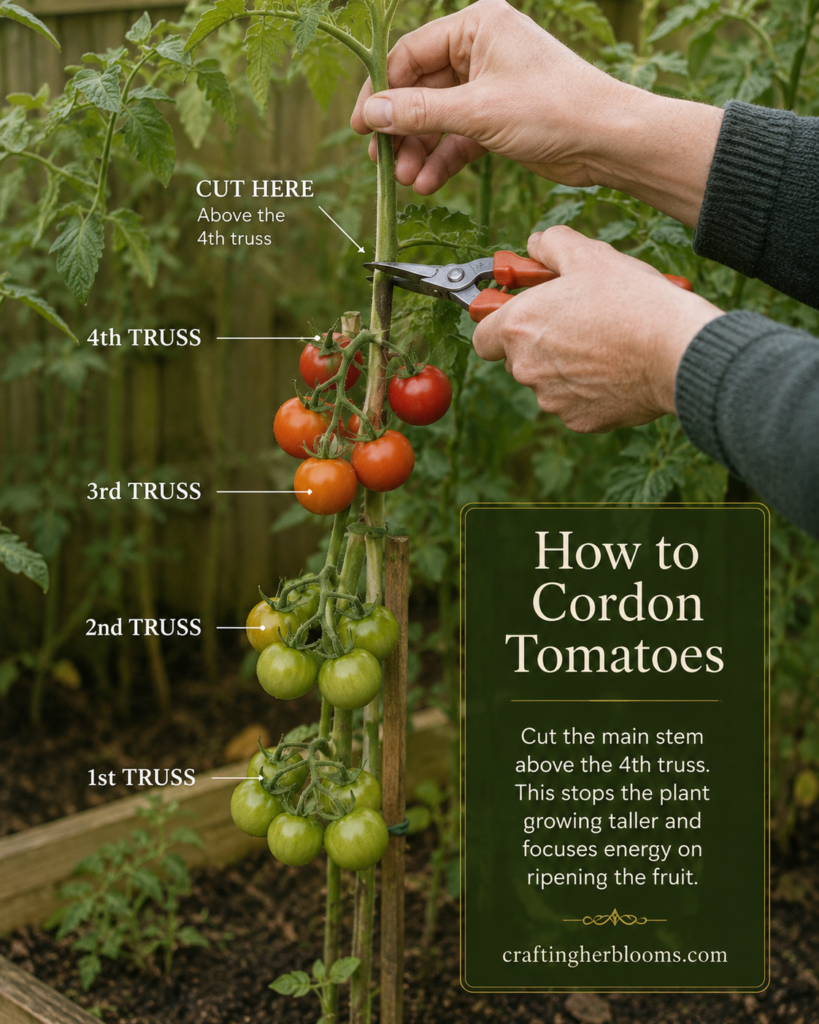
Bush tomato varieties don't need this treatment, so you can leave them be. For climbing beans, removing the tops of the plants has a similar effect, helping to maximise the size of the existing crop rather than encouraging more late growth. Our guide to growing tomatoes has more detail on topping and other end-of-season care if this is your first year cordoning.
Soft Fruit and Trained Trees
Keep training fan-trained trees and complete any remaining summer pruning on gooseberries, red and white currants, and cherries this month. It's also worth checking over any kiwi vines that still need pruning.
Watering and Ties
Don't let up on watering just because the weather is cooling. Beans, tomatoes and other still-cropping plants need consistent moisture to finish the season well, and September winds can be surprisingly strong. Make sure climbing crops are securely tied in so a blustery week doesn't undo a whole season's growth.
Common September Problems in British Gardens
Carrot fly remains active into September wherever the weather stays mild, so keep thinning carrot seedlings carefully and consider a physical barrier or companion planting if it's been a recurring issue in your garden.
Early frost is the other big risk this month, particularly in Scotland and exposed northern gardens. Keep an eye on the forecast and have fleece or cloches ready to protect anything still cropping if a cold snap is predicted.
Waterlogging can also catch gardeners out as autumn rain arrives after a dry summer. Check that raised beds and containers are draining properly, since crops that have coped fine with dry soil all summer can struggle if they're suddenly sitting in wet ground.
Frequently Asked Questions
Is it too late to sow anything in September?
No, though your options narrow as the month goes on. Quick crops like radishes, lamb's lettuce and winter salad leaves can still be sown successfully, especially in southern England. By late September, stick to the hardiest, fastest-maturing options.
Can I still harvest tomatoes in September?
Yes, and cordoning the plants this month by removing the main growing tip helps concentrate the plant's energy into ripening the fruit that's already there rather than producing new growth that won't have time to mature.
What vegetables should I be planting for a spring harvest?
Onion sets, spring cabbage and overwintering varieties of spring onion planted now will establish through autumn and put on fresh growth as soon as the weather warms, giving you an early harvest well before anything sown next spring.
Do I need to protect herbs in September?
Tender perennials like lemon verbena need to come indoors or into a frost-free space before the first hard frost. Hardy herbs such as thyme, rosemary and sage can usually stay outside, though a light tidy now helps them through winter.
Is September too early to prepare a garlic bed if I'm not planting until October?
Not at all. Preparing the bed now, rather than at planting time, gives added organic matter time to settle into the soil, which garlic responds well to.
What's the biggest mistake gardeners make in September?
Treating it purely as a wind-down month. The vegetables and alliums you plant now are what give you an early harvest next year, so skipping September planting means losing that head start entirely.
Continue Your Journey
September sits right between two other key planting months. Catch up on what to plant in August if you're behind on late-summer jobs, or look ahead to what to plant in October to see what's coming next.
For related growing guides, take a look at our advice on planting cool weather vegetables, our breakdown of different types of vegetables to grow, and our guide to planning a vegetable garden if you're mapping out next year's plot.
If winter windowsill growing appeals, our guide to the best winter windowsill vegetables is worth bookmarking now, before the light really starts to fade.